The Boeing 787 feels wider than a 777, but it is 16 inches narrower
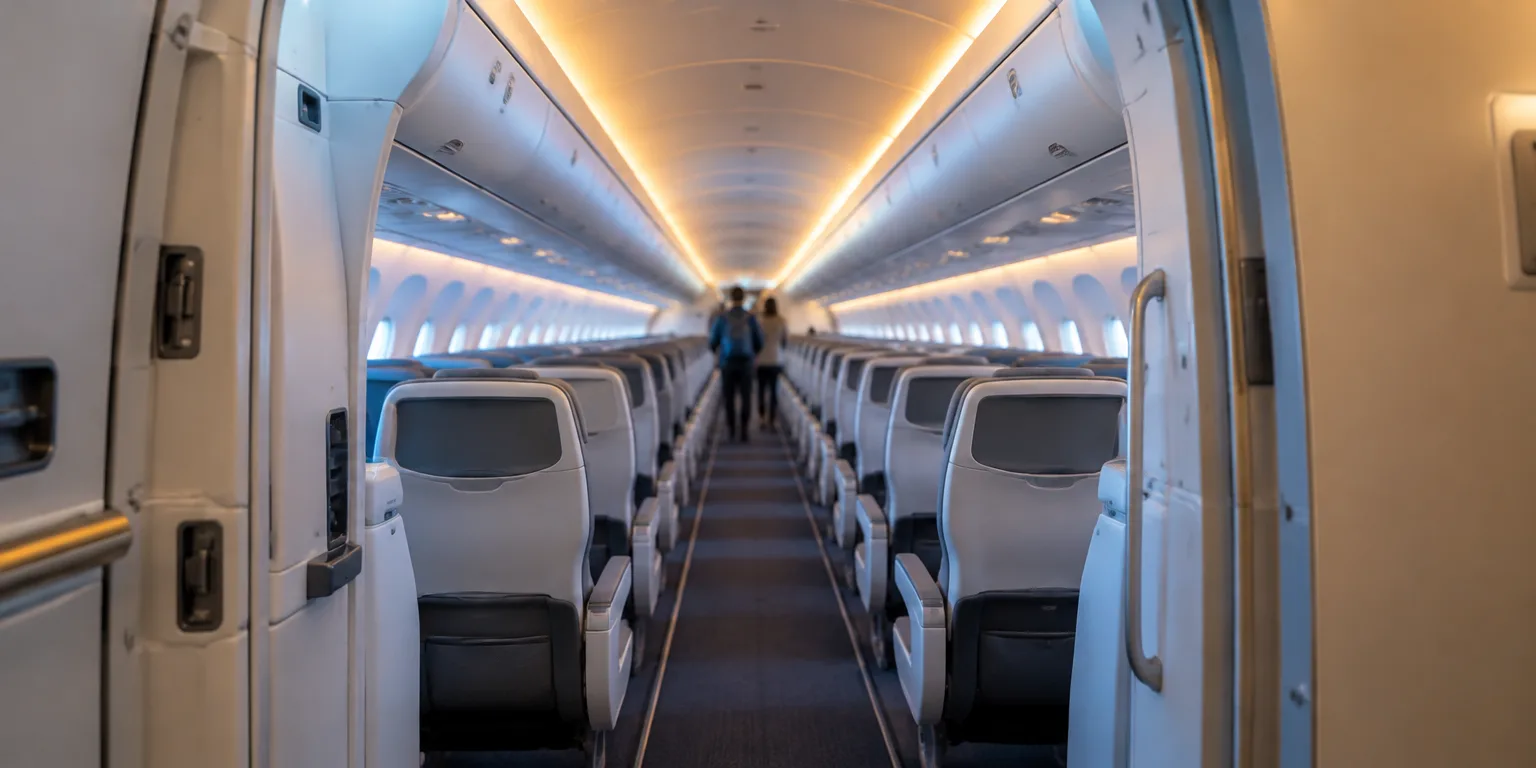
Engineers tuned light, pressure, and humidity to ease jet lag, and used a wide entrance to make the cabin feel roomier.
 Nudge Podcast · #63: Rory Sutherland | Why counter-intuitive thinking wins
The Boeing 787 Dreamliner feels wider than a Boeing 777, yet it measures 16 inches narrower.
The observation comes from author Rory Sutherland, vice chairman of Ogilvy UK, who holds up the jet as design built around perception. Psychophysics, in his use, means designing around how the brain judges what the senses report.
Boeing tuned the cabin lighting and set a lower cabin altitude and higher humidity, giving passengers more oxygen and less dry air, so they step off with fewer headaches and less grogginess. A tall, open entrance then sets a roomy first impression, so the whole cabin feels larger.
Sutherland poses the trade-off himself: why chase engineering for a flight that lands about 15 minutes sooner when shaping light and air leaves travelers feeling fresher in a cabin that feels big. His point is that how a flight feels can matter more than what the stopwatch says.
Questions people ask
Why compare the 787 to the 777?
The 777 has long been Boeing's big wide-body workhorse, so passengers know how roomy it feels. Comparing the newer 787 to it makes the surprise clear: Boeing made the tube smaller yet made the experience feel bigger.
Why does the entrance matter so much?
Boarding shapes expectations for the whole flight. When the first space you step into is tall and open, with sight lines down the cabin, the brain tends to judge everything after it as larger.