The Bullet Did Not Kill President Garfield. His Doctors Did.
Left alone, the bullet walled itself off and would have been harmless. The probing never stopped.
 Founders · #438 James Garfield's Extraordinary Rise
President James Garfield was lying on the floor of a train station with a bullet in his back when the first doctor reached him. The doctor, Smith Townsend, put an unwashed finger directly into the open wound.
That finger likely doomed him. It tore tissue, caused bleeding, and planted an infection on what was described as one of the most germ filled floors imaginable. The infection, not the bullet, would kill Garfield 79 days later.
The tragedy is that the bullet itself was harmless. It had lodged in fatty tissue behind his pancreas, where the body had already begun to wall it off with thick, fibrous tissue. Left alone, Garfield almost certainly would have lived. Instead, he received constant, aggressive care from ambitious doctors keenly aware they had the nation's leader as a patient.
The doctors had been warned. Years earlier, Joseph Lister, a British surgeon who pioneered antisepsis, the practice of killing germs to prevent infection, had traveled to America to urge doctors to sterilize their hands and instruments. The death rate among his surgical patients dropped sharply after he began destroying germs.
Most American doctors dismissed him. Many still scoffed at the idea that germs even existed, and called his time consuming methods ridiculous. One surgeon dismissed antiseptics as absurd and positively harmful. Others charged that Lister's methods would drag surgery back to its darkest days.
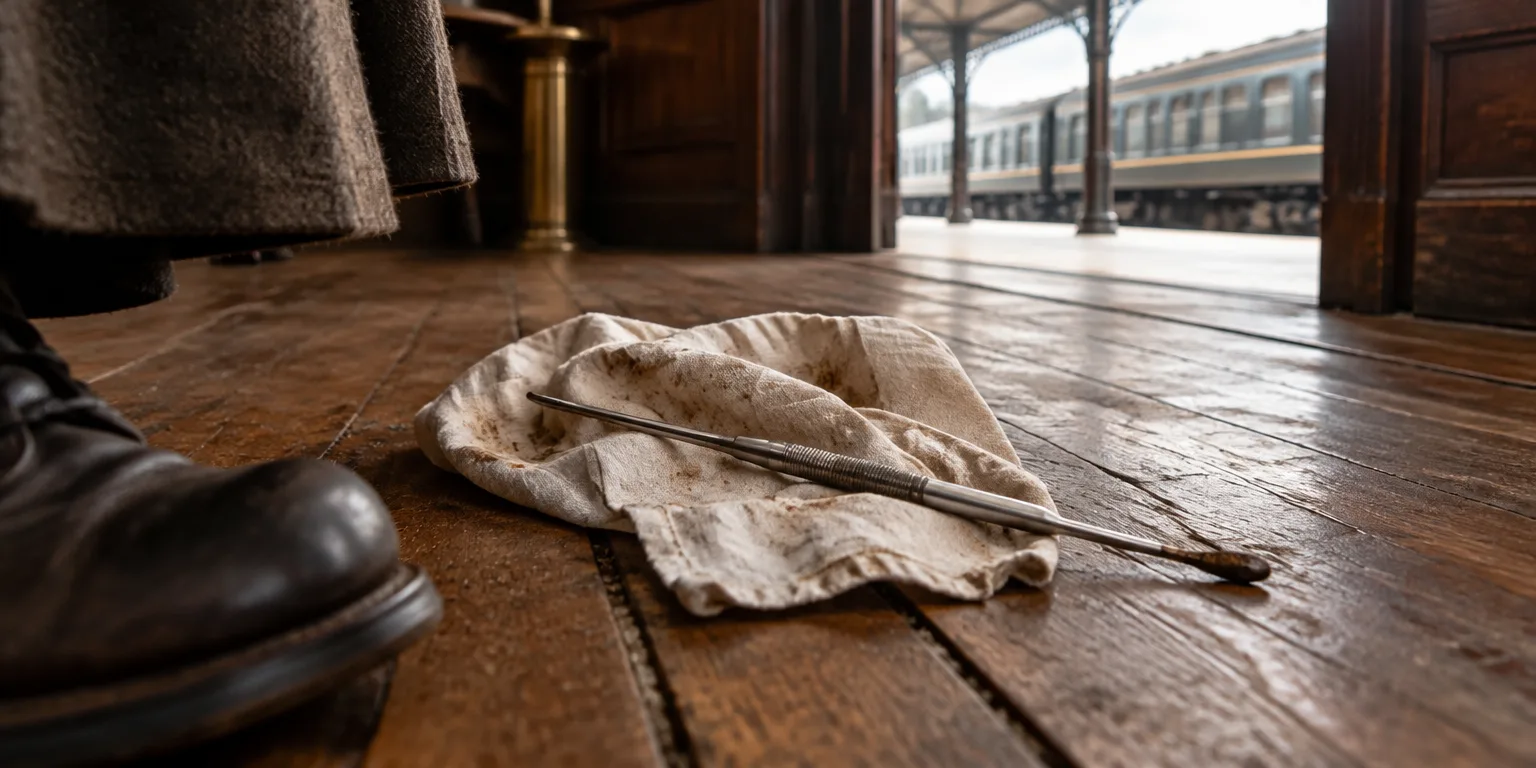
Garfield's doctors shared that contempt. After Townsend, the lead doctor, Willard Bliss, searched for the bullet with an unsterilized metal probe and no pain relief for the president. He pushed three inches into Garfield's back until the probe wedged between fragments of a fractured rib. He had to press down on the broken rib to free it.
Then Bliss pushed his little finger deep into the wound until he touched the broken rib.
If the shooting had happened a decade and a half later, the story would have ended differently. X-ray pictures, which did not yet exist, would have quickly found the bullet, and antiseptic surgery might have allowed Garfield to recover in a short time. Today, he might have spent only a few nights in the hospital.
Americans at the time already had proof that bullets could be left alone. The Civil War had ended just 16 years earlier, and many former soldiers still carried old ammunition inside their bodies without serious trouble. One man who helped jail Garfield's shooter had carried a bullet in his brain since the war and seemed unaffected by it.
The difference was that no group of doctors had dug into their wounds.
Questions people ask
What exactly is antisepsis?
Antisepsis means destroying germs on skin, in wounds, and on hands and tools to prevent infection. Doctors today scrub their hands, wear sterile gloves, and sterilize instruments for the same reason. Once the practice spread, deaths after surgery fell sharply.
Why did American doctors reject germs for so long?
Many doctors did not believe that organisms too small to see could cause disease. Lister's cleaning routine was slow and complicated, and it implied that surgeons themselves had been infecting patients.
Where exactly was Garfield's bullet?
It stopped in fatty tissue below and behind the pancreas, without striking a vital organ or large blood vessel. A surgeon writing a few years later said nature had formed a strong capsule of fibrous tissue around it. That capsule had walled the bullet off and made it harmless.