The CIA Once Ran Illegal Experiments to Try to Control Behavior
Run by chemist Sidney Gottlieb, MKUltra gave people drugs without consent and used abuse and torture, all with official approval.
 Who Killed JFK? · The Patsy
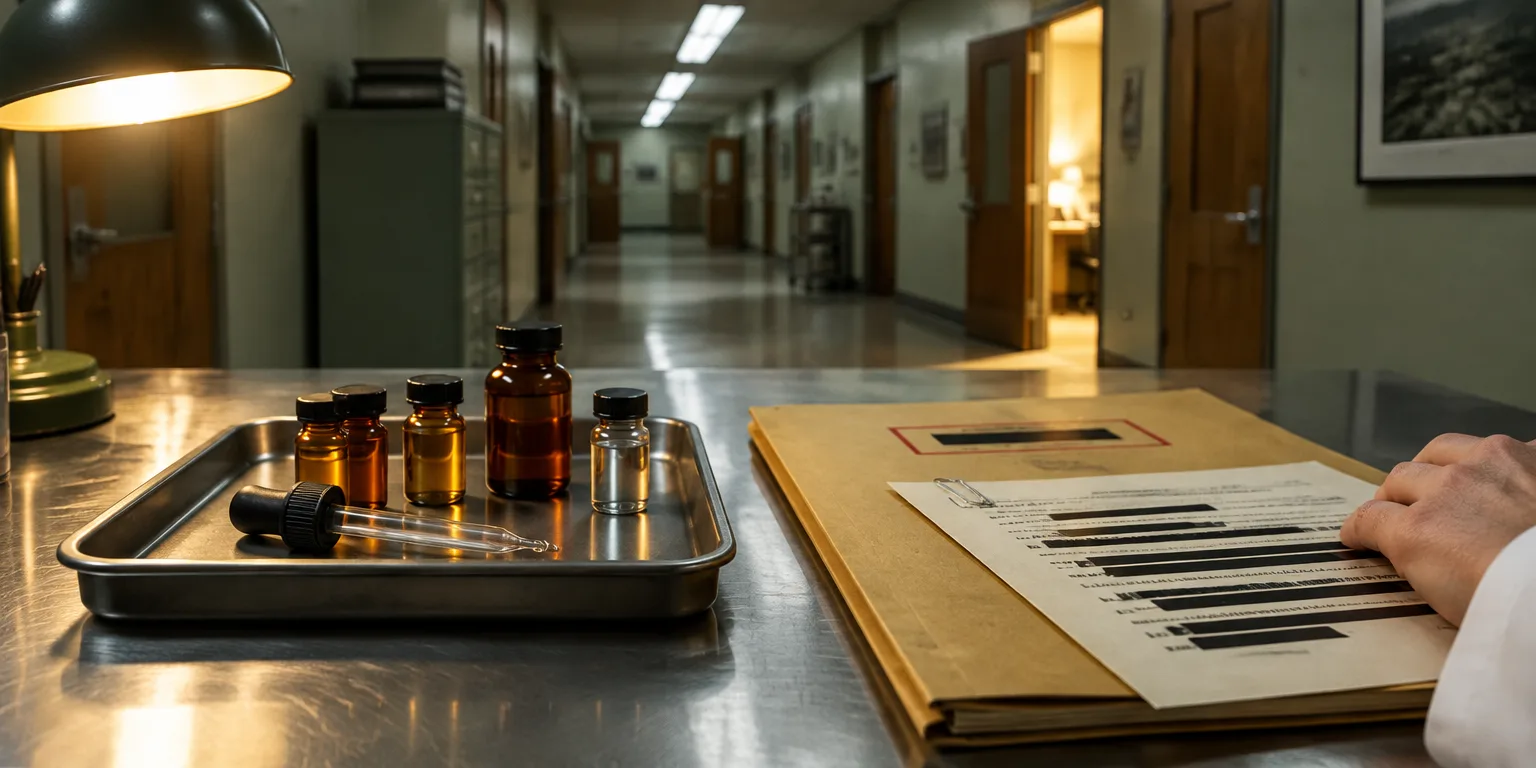
After LSD reached the United States in 1948, when almost nothing was known about it, a small group inside the CIA decided it needed to learn about the drug fast. That rush became MKUltra, a secret CIA project for unlawful experiments on people to find ways to influence behavior, including what was then called brainwashing.
That description comes from writer Dick Russell, recounting a long interview late in life with chemist Sidney Gottlieb, who led the CIA's Technical Services Division from the early 1950s into the 1970s. Gottlieb said he and others decided they needed to learn "a lot about this material in a hurry."
The account of the interview says subjects were given LSD without their consent. Russell also listed "electroshocks, hypnosis, sensory deprivation, isolation, verbal and sexual abuse and other forms of torture" among the methods used.
Gottlieb reflected on the official cover for that work. He said he used to muse, "boy, this is the only place you can do illegal things legally," adding that "you got the whole blessings of this powerful government."
He also said such efforts tend to expand once they start and become difficult to halt.
Official permission is what set the program apart. Acts that would have been crimes elsewhere were treated as authorized work.
Questions people ask
When did MKUltra operate, and how did the public learn about it?
MKUltra began in 1953 and was formally ordered halted in 1973, after CIA director Richard Helms ordered related files destroyed. Much of what is known comes from a smaller set of surviving financial records and from Senate hearings held in the mid-1970s.
What is LSD, and why was so little known about it at the time?
Yes. LSD was first synthesized in 1938 and its mind-altering effects were discovered in 1943. After it reached the United States in 1948, doctors briefly studied it as a possible treatment for mental illness, before its risks and its recreational use ended most research for decades.