The Cobra Bounty Story: Paying for Dead Snakes Left More Snakes
A bounty meant to clear venomous snakes from Indian cities created a business in breeding them.
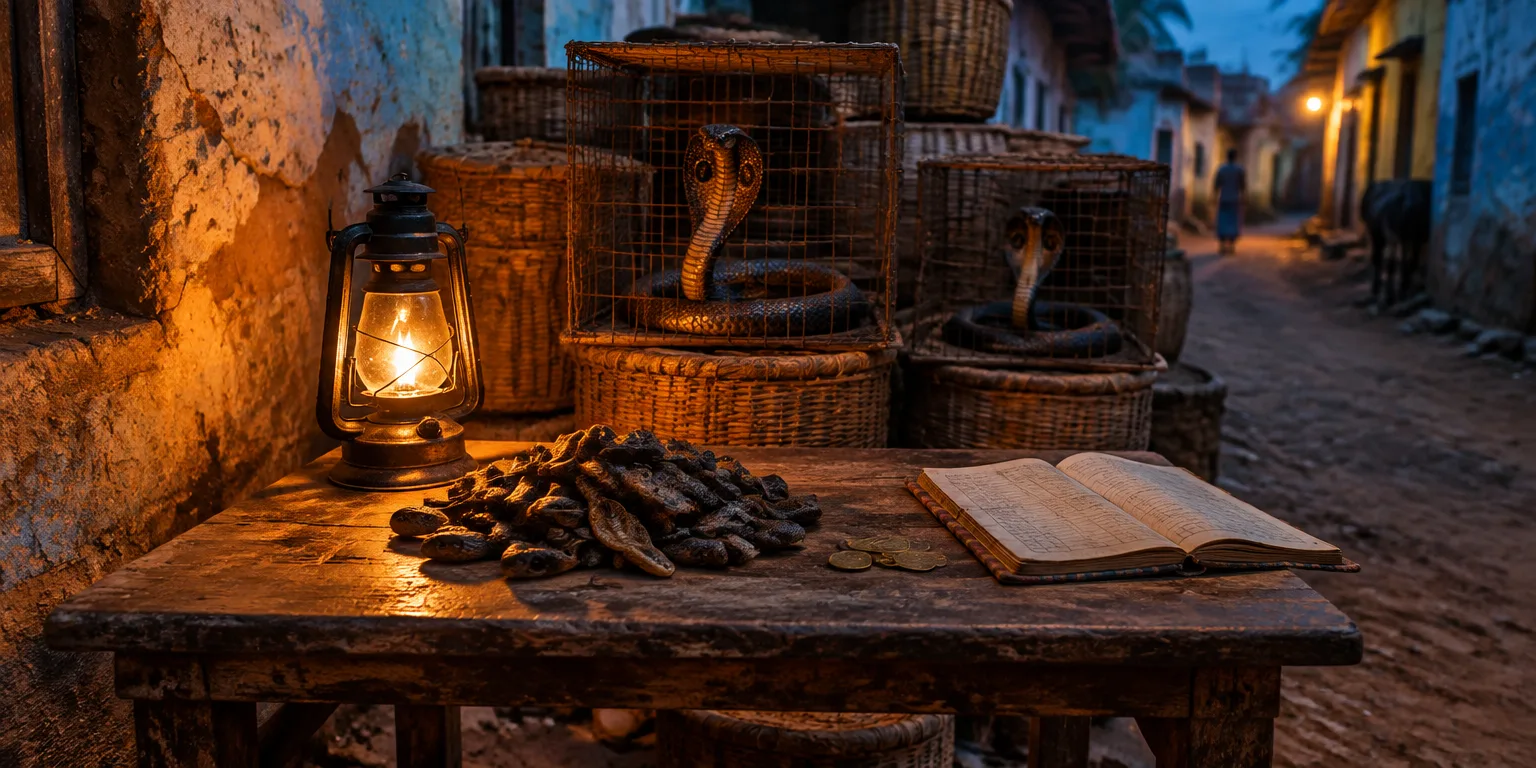
 Curiosity Chronicle · The Cobra Effects of Life
The story is often told, though it is hard to verify, and it begins in colonial India. British officials, worried about venomous cobras in crowded cities, wanted the streets made safer.
Their solution was simple. They offered a cash bounty for every cobra head turned in. Kill a cobra, bring in the head, and collect the money.
The bounty worked, which was the trouble. Some residents saw a business opportunity. Rather than hunt wild snakes, they bred cobras at home, cut off the heads, and turned the heads in for payment.
British officials soon realized that the heads were coming from farms, not from hunts. They ended the bounty.
In the telling, the breeders were then left with thousands of live cobras that no longer had any value. With the bounty gone, keeping them made no sense, so they opened the pens and let the snakes loose onto the streets.
A plan meant to clear the cities of cobras dramatically increased how many cobras lived there, in the telling. The tale is called the Cobra effect, an example of Goodhart's law. Once a number is turned into the goal, it stops being a reliable guide.
Questions people ask
What does Goodhart's law have to do with cobras?
The economist Charles Goodhart observed that once a measurement is used to reward or punish people, people will game that measurement. In this case, cobra heads were supposed to stand for fewer wild cobras, but once cash was attached to heads, heads became the goal.
Has a bounty backfired like this anywhere else?
A similar account is told about Hanoi under French rule, when officials paid for rat tails. In that telling, people farmed rats for their tails and released the tailless rats to breed again.