The Dutch Anthem's Tune Was a Catholic Victory Song Against Protestants
Dutch Calvinist rebels took a Catholic melody from France and gave it new words.
 The Rest Is History · The Nation That Invented Capitalism: The Rise of Holland | National Anthems EP 4
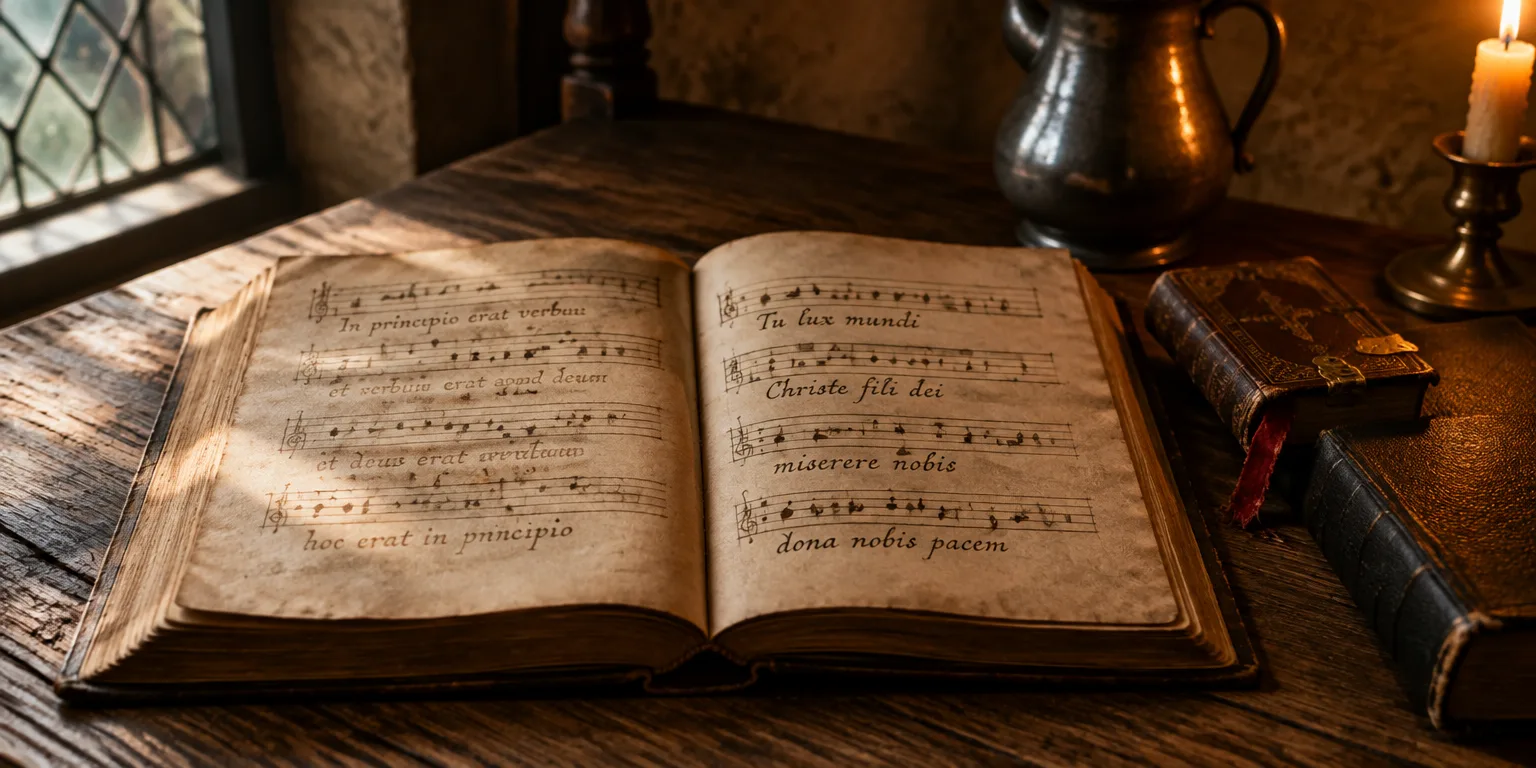
The melody of the Dutch national anthem, the Wilhelmus, started life as a Catholic song celebrating a Catholic garrison holding off a Protestant attack in a 1568 siege in the French town of Chartres. Within a few years, Dutch Calvinist rebels fighting Spain had taken the tune and given it Protestant words in praise of William of Nassau, the leader of the Dutch Revolt.
That reuse is described as a gesture of appropriation, like rebels turning captured Catholic churches into Calvinist ones. The rebels took a well-known Catholic song and used it for their own cause.
It could also be read as a compromise. The words were Protestant but the melody was Catholic, which suited a movement whose leader, William, was still Catholic himself and converted to Calvinism only in 1573, after the song was written.
Questions people ask
When did the Wilhelmus become the official anthem?
It did not become official until 1932, when Queen Wilhelmina decreed it the national anthem. It had been the great patriotic song of the Dutch for four and a half centuries before that, and it became a resistance symbol under Nazi occupation.
Why does the Dutch rebel song pledge loyalty to the king of Spain?
The opening verse has William declaring lifelong loyalty to the king of Spain, even though the rebels were fighting Spain. At the time rebels claimed William was loyal and was only fighting the king's evil advisers and soldiers, because open rebellion against an anointed king was almost unthinkable.