The FBI Matched a Madrid Bombing Fingerprint to an Oregon Lawyer Who Had Not Left the Country in 10 Years
Examiners said they were 100% certain, and even the defense expert agreed. The mistake shows how confident fingerprint calls can be wrong.
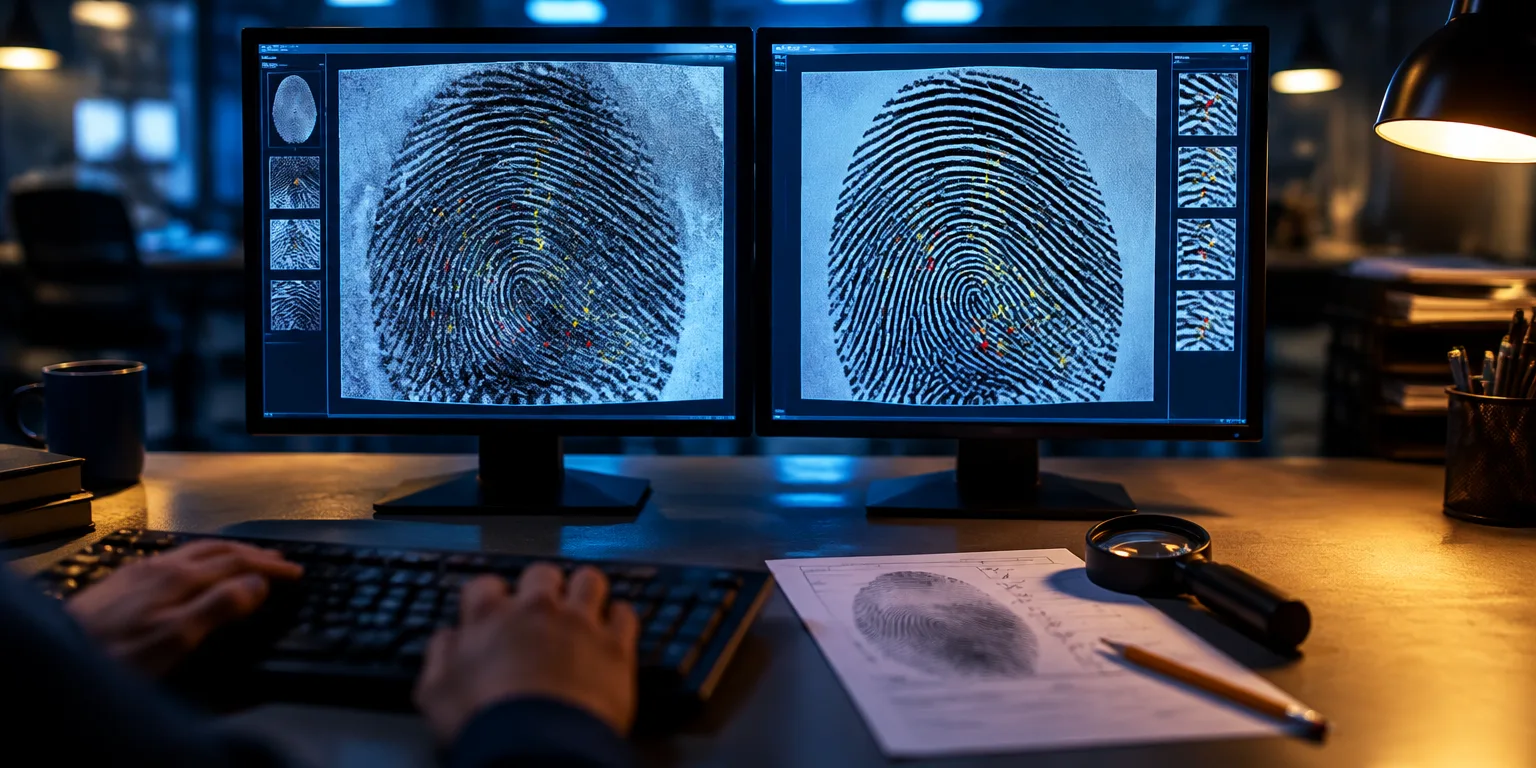
 Veritasium · We've Been Using The Wrong Science In Court For 50 years
Shortly after bombs tore through four commuter trains in Madrid on March 11, 2004, killing 193 people, police found a fingerprint on a bag that had held a detonator. Analysts in the United States said it had come from Brandon Mayfield, who worked as a lawyer in Oregon.
There was no record of Mayfield leaving the United States in more than 10 years. He did not own a passport. He said he felt as if he were being framed. He was jailed anyway.
The case shows how fingerprint matching can produce a confident result that is completely wrong. Examiners in Mayfield's case said they were 100% certain the mark was his. Even the fingerprint expert hired by the defense agreed. The print belonged to someone else, a man with ties to terrorist groups in Spain.
The method depends on people making judgment calls. To search a database of hundreds of millions of prints, an examiner first has to mark tiny ridge features where a line ends or splits. The computer then pulls at least 10 candidates, and up to 40 in some places, and a person decides whether there is a match.
That judgment varies. In published studies, one examiner looking at the same mark notes only three usable features while another notes 10, enough to run a search. Whether a search even moves forward can depend on how many features the examiner happens to see. When the same examiner is shown the same pair of prints twice, the decision changes 10% of the time.
Outside information adds to the risk. As many as 42% of requests sent to fingerprint experts note whether the suspect has a prior record. The danger is not limited to fingerprints. In a recent firearms case described in the account, where the question was whether a bullet had been fired from a suspect gun, the form sent to the analyst said the matter was a homicide and listed the ages and races of both the accused person and the person who died.
In Mayfield's case, the second examiner brought in to check the work likely already knew the first examiner's conclusion and understood the stakes of a major terrorism investigation. That made agreement easier. One forensic scientist quoted in the account says police and prosecutors should stop sharing that kind of background and let examiners work without it. In the Madrid case, the second examiner and the defense expert agreed, and both were wrong.
Questions people ask
How did officials realize Mayfield was innocent?
Spanish police matched the print to an Algerian man with ties to terrorist groups in Spain. The FBI then reviewed its work and Mayfield was released.
How is a fingerprint match supposed to be decided?
They compare the overall pattern and then tiny ridge details, called minutiae, where ridges end or split. There is no fixed national requirement for how many points must match, so the decision rests on the examiner's judgment that there is enough agreement and no unexplained difference.
What is conformity or context bias in forensics?
It means information about the case that has nothing to do with the ridges, such as a suspect's record, the seriousness of the charge, or another examiner's conclusion, shapes what the examiner sees. Studies show examiners are more likely to call a match when they expect one.