The FBI Ordered Apple to Unlock a Killer's iPhone, Then Found Another Way In
An Apple ID change in custody closed off an iCloud backup, and an outside hack ended the court fight without settling the encryption debate.
 appleinsider.com · Apple and Encryption | Implementation, Legal Battles, History
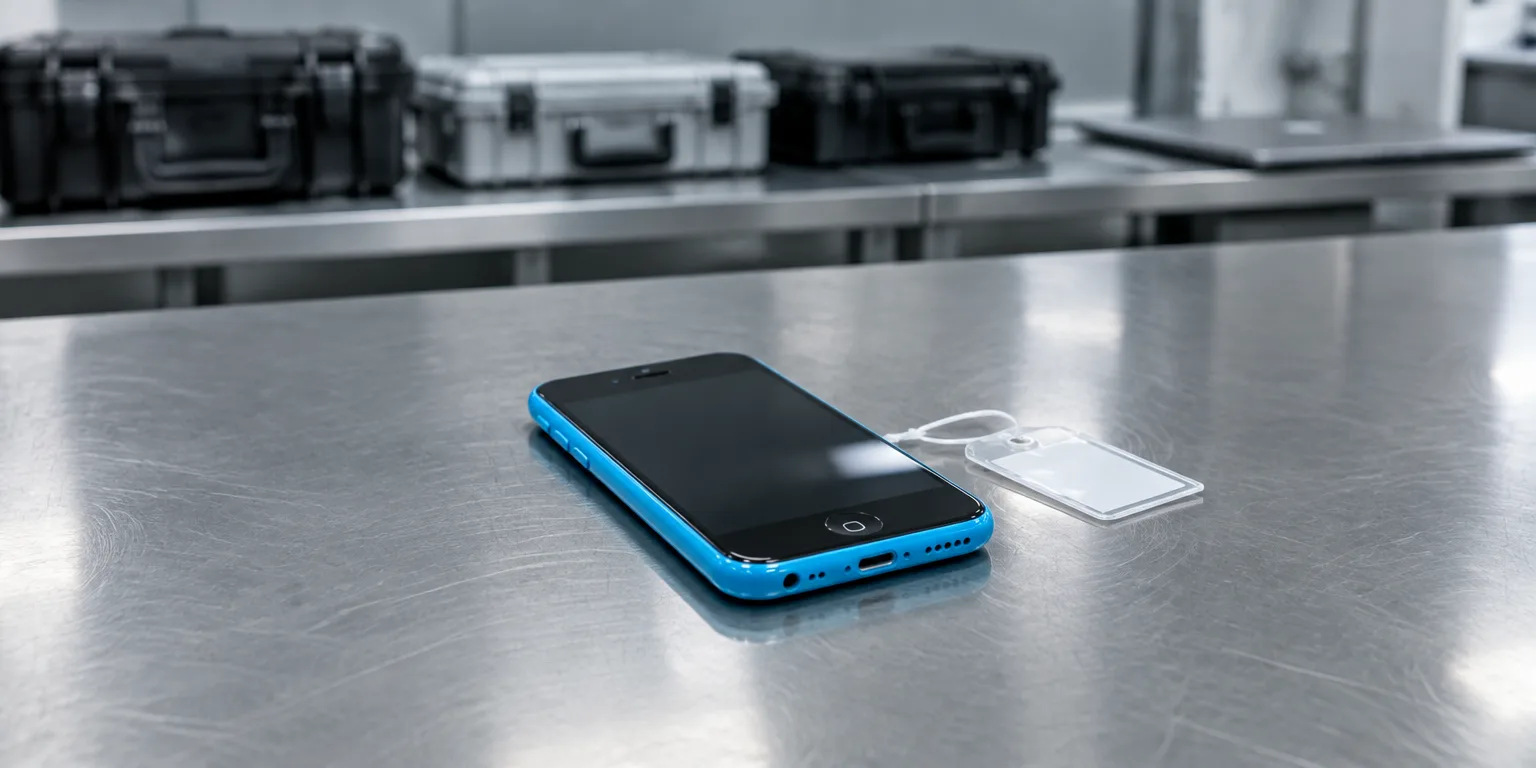
After the December 2015 attack in San Bernardino that killed 14 people and seriously injured 22, investigators recovered a company iPhone left behind by gunman Syed Rizwan Farook. It was an iPhone 5c, running older software and locked with a passcode.
On Feb. 16, 2016, a judge ordered Apple to write special software to defeat that lock. The FBI was not asking Apple to hand over files it already had, but to build a new version of the iPhone system with a way in.
That was why the case mattered well beyond one phone. Once built, that software could open any iPhone running it, and Apple warned that access meant for investigators would not remain under investigators' control indefinitely.
Apple chief executive Tim Cook objected the next day in an open letter to the government. Apple said it had already turned over requested data three days after the shooting, and had advised investigators on triggering a fresh copy of the phone's contents to Apple's online storage.
That backup never happened. The Apple ID linked to the phone was changed while the device was in government custody, cutting off the chance to copy its contents through the cloud.
As the fight played out in public, forecasts of what was inside diverged sharply. A district attorney said the phone might hold "evidence of a dormant cyber pathogen," while the husband of a co-worker who survived said the work phone was "unlikely to contain useful information."
A court hearing was set for March 22, billed as the FBI's last chance to force Apple's hand. On March 21, the Justice Department asked for a delay, saying an outside party had offered a possible way to unlock the phone without Apple.
On March 28, the department withdrew its case, saying it had gained access to the device. Reports linked the work to the Israeli firm Cellebrite and cited a $218,000 FBI contract signed the same day, a connection that was never officially confirmed.
The victory was narrow. The FBI director later said the method did not work on any phone newer than the 5c, which lacked a special security chip that keeps encryption keys separate from the main system and makes remote attacks harder.
Investigators gave little indication the contents mattered. Unnamed sources said the phone yielded no actionable intelligence, though it gave more insight into the attackers.
In December 2016, a working group of the U.S. House Judiciary Committee concluded that "any measure that weakens encryption works against the national interest." Then FBI Director James Comey had a different verdict, declaring "the encryption war far from over."
Questions people ask
Why was the iPhone 5c easier to open than newer iPhones?
The 5c lacked a separate security chip, called the Secure Enclave, introduced with the iPhone 5s. That chip keeps encryption keys apart from the main software, so later phones resisted the same guessing technique.
What is the difference between an iCloud backup and data locked on the phone?
A backup copies photos, messages, and settings to Apple's servers, where Apple holds the keys and can supply data under a warrant. Contents locked only on the device stay encrypted until the correct passcode is entered, which is why the missed backup mattered so much.
Who was the outside party reported to have helped the FBI?
Cellebrite is an Israeli company that sells tools to police and other customers for extracting data from locked phones. The $218,000 FBI payment reported at the time was never officially confirmed as tied to the San Bernardino phone.