The Fed Should Look Out the Window, Not Into the Future
Warsh says today's investment surge challenges the old view that slow growth was inevitable.
 Bloomberg Daybreak: US Edition · Warsh Boosts Rate Hold Expectations; Midterm Debates Ramp Up Nationwide
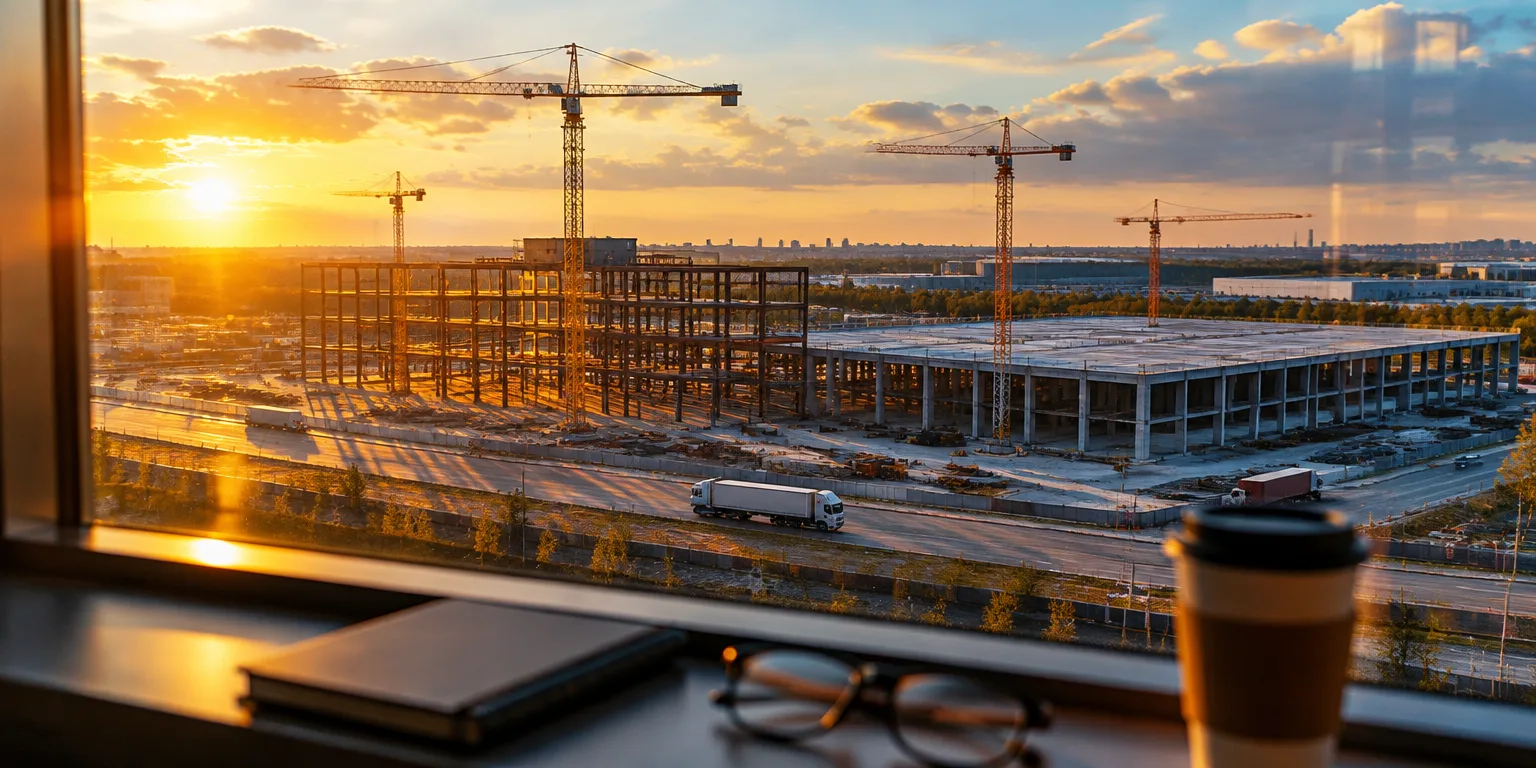
In Bangkok, at the annual gathering of the International Monetary Fund, Fed Chair Kevin Warsh was asked about the global economy. Sitting with Kristalina Georgieva, the Fund's managing director, he offered a metaphor for how he wants to run Federal Reserve meetings: looking out the window to see the economy as it stands at that moment, rather than looking backward or forecasting what comes next.
What he said he sees now is very different from what economists discussed the last time he held a top policy job. Warsh said, "20 years ago at meetings like this, we'd talk about secular stagnation." That was the idea, popular after the financial crisis, that slow growth was permanent and policymakers could do little to change it.
In his telling, the United States now has structural growth and a massive investment surge. That was his reading of the moment, offered in conversation and not tested in the exchange, where Georgieva responded with brief acknowledgments as he spoke. He acknowledged that the surge is not hitting every country in the same way, but he called it probably the most important positive force in the global economy.
For Warsh, the contrast supports his case for looking at the present. The surge did not happen by accident, he said. It is the consequence of good policy, both macroeconomic policy and what he called the micro foundations, an idea he said recent winners of the Nobel Prize in economics had also discussed.
He added a caveat. To be balanced, as central bankers have to be, he said, "it's hard to be in a discussion with central bankers and not compare notes and hear the same thing about the surge in prices," which affects each central bank differently. At the Fed, he said, officials had made clear they would deliver price stability, adding, "we removed a dose of accommodation about a month ago." He said he does not prejudge meetings and does not believe in saying now what he might do at meetings in the balance of the year.
"Policy matters," he said.
Questions people ask
What was 'secular stagnation'?
Secular stagnation is the argument that advanced economies were stuck with persistently weak growth, low interest rates, and low investment because of deep forces like aging populations and weak demand. It was widely discussed in the 2010s when recoveries felt slow even with easy money.
What does Warsh mean by an 'investment surge'?
It means businesses are spending heavily to expand future capacity, especially on factories, equipment, software, and data centers. Warsh linked it to structural growth, meaning growth driven by investment and productivity rather than just consumer spending or government stimulus.
Does the Fed normally try to predict the future?
Yes. The Fed staff prepares forecasts for growth, inflation, and unemployment, and officials publish their own projections for interest rates. Warsh is not rejecting data, but arguing that decisions should weigh current conditions heavily rather than leaning too far on uncertain predictions.