The Happiest People Are Very Difficult to Rush
A fellow passenger coming back from a reunion sixty years on stayed seated while everyone scrambled, and offered a lesson in presence.
 Curiosity Chronicle · 7 Things I've Changed My Mind On Recently
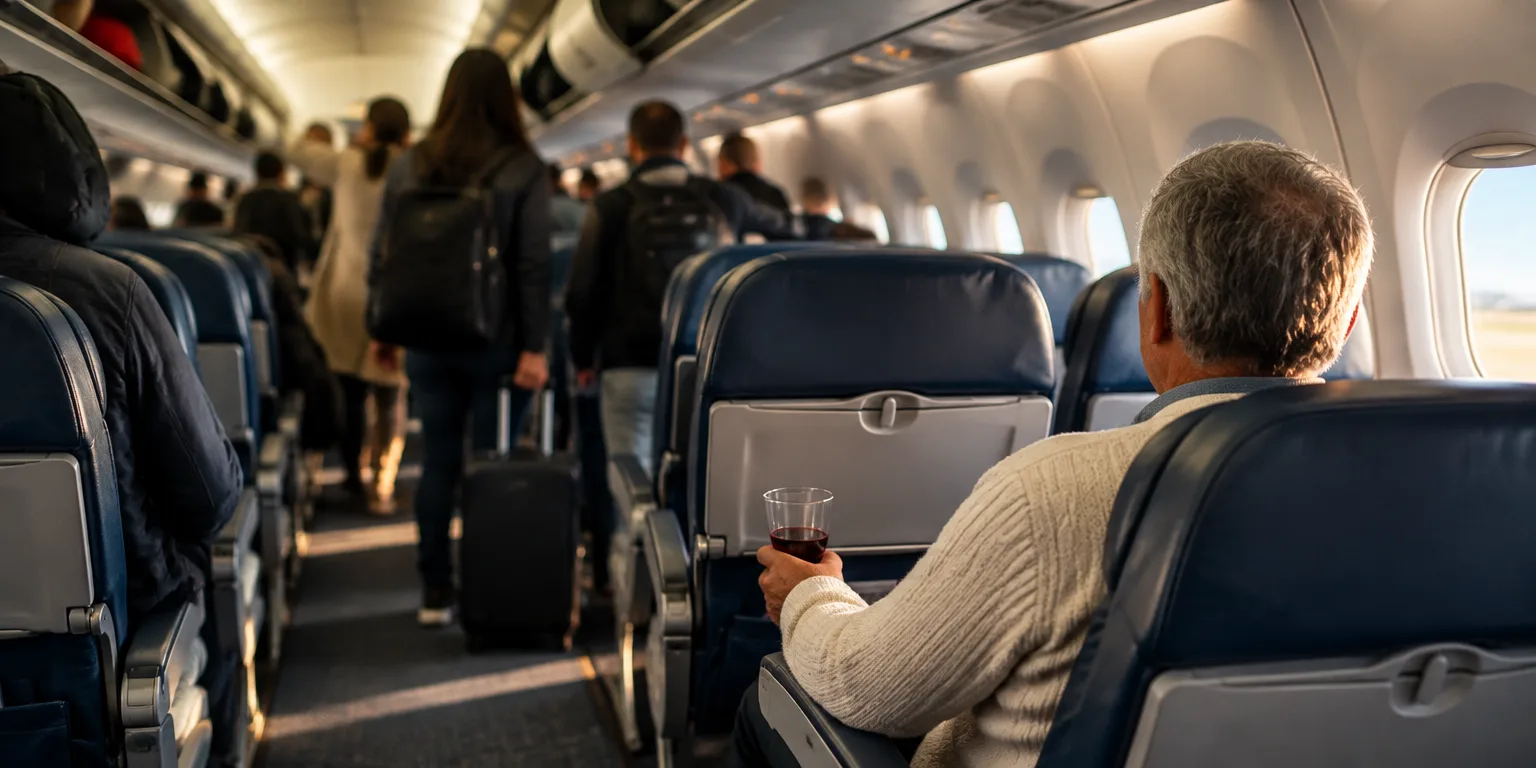
The plane had just touched down when the cabin did what cabins do. Seatbelts clicked off, passengers stood into the aisle, and arms reached overhead for bags. One man did not move.
He stayed in his seat beside author Sahil Bloom, sipping the last of the bad red wine from a plastic cup. He had spent the whole flight talking with Bloom while heading back from a reunion sixty years after high school.
Bloom offered to grab the man's bag from the bin. The man shook his head and smiled at Bloom's funny look.
"I never understood the rush," he said. "We're all going to the same place, after all."
Bloom first took him to mean baggage claim. Walking out of the airport, Bloom realized he had missed the bigger meaning. The remark stayed with him, and he came to read it as a comment on how people spend their time.
Bloom wrote that the world wants you to "rush decisions, rush conversations, rush relationships, rush timelines." In doing so, he said, you slowly give up your agency and hand authorship of your own life to someone else.
The happiest people he has met do not rush themselves. They take their time, and when they hurry it is on their own terms rather than from outside pressure.
You can spot them in small choices, he said. They wave another driver past, say hello to the person behind the counter, and keep their eyes off the screen.
Bloom said the instinct to hurry is still in him. He has started practicing what he calls tiny acts of slow rebellion each day. Every time he resists the urge to sprint ahead, he thinks of that fellow passenger, smiling in his seat and finishing his wine while the rest of the plane jostled for the exit.
Questions people ask
Does this mean happy people never hurry?
No. The point is about choosing when to hurry. Bloom says happy people do move with urgency at times, but because they want to, not because of arbitrary pressure.
What does Bloom mean by presence as rebellion?
It means giving your full attention to where you are and who you are with, instead of racing to what comes next. Bloom ties it to holding onto agency over your own life.
How can I practice being harder to rush?
Start very small and concrete. Let one car merge ahead of you, greet the person who pours your coffee, or keep your phone in your pocket and look up while you walk. Bloom describes his own practice as a few tiny acts of slow rebellion per day.