The “I Have a Dream” Climax Was Improvised
A gospel singer who knew King's church speeches read the crowd, shouted from behind him, and he pushed his notes aside.
 Joys of Compounding · Cal Fussman - Compounding Human Connections - [Art of Investing, EP.8]
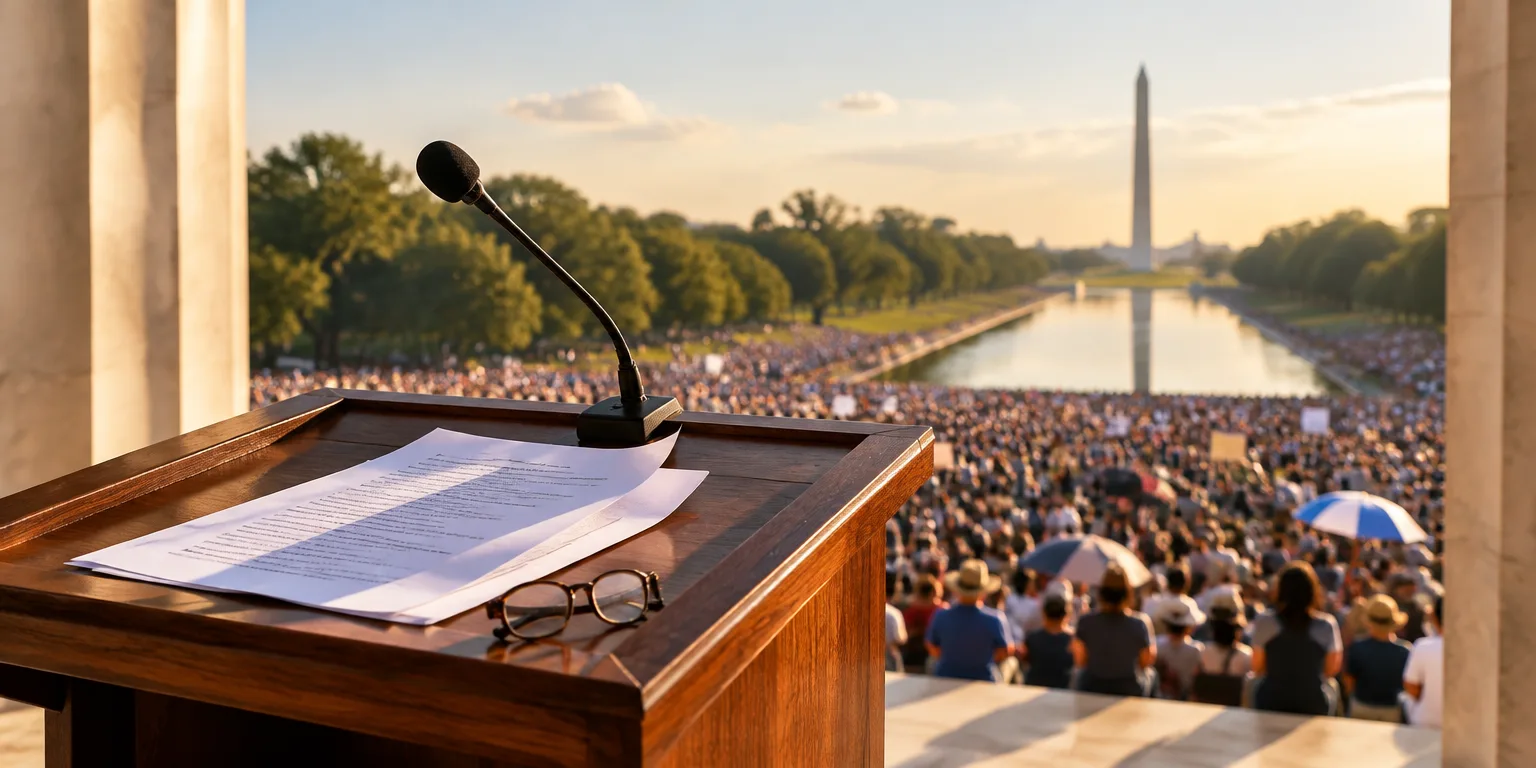
The climax of Martin Luther King Jr.'s "I Have a Dream" speech was not in his written speech. The words "I have a dream" did not appear on the paper he carried to the podium.
King, the civil rights leader, had used the dream theme for years in Black churches. Mahalia Jackson, the gospel singer, had often sung at those same appearances and knew his full repertoire by heart.
The speech in Washington was written for a much wider national audience. An aide helped draft the first six or so paragraphs to speak to everyone, and King wrote the rest, and it was going over okay, with the crowd responding warmly.
Deep into the address, King paused. Jackson, standing in the ring of people behind him and reading the crowd like the performer she was, shouted, "Tell him about the dream, Martin."
King pushed his papers aside and said, "I have a dream." From there he improvised the famous climax, and everything changed.
Questions people ask
Who was Mahalia Jackson?
Jackson was one of America's most famous gospel singers, often called the Queen of Gospel. She was a friend and supporter of King, sang before he spoke at the March on Washington, and knew his sermons well from years of sharing church programs with him.
Had King said "I have a dream" before that day?
Yes. King had used the dream theme in his talks in churches. Jackson knew that repertoire from years of appearing at the same churches where he spoke.
What happened to the paper copy of the speech?
King handed his typed manuscript to George Raveling, a former Villanova basketball player who had been pulled onstage as extra security and asked King for the copy afterward.