The Memory Chips That Power AI Are Sold Out Through 2029
SK Hynix posted record profit and revenue as AI demand outran supply.
 WSJ What's News · Can Netanyahu Hold On?
The memory chips that run the data centers powering artificial intelligence are effectively sold out through 2029.
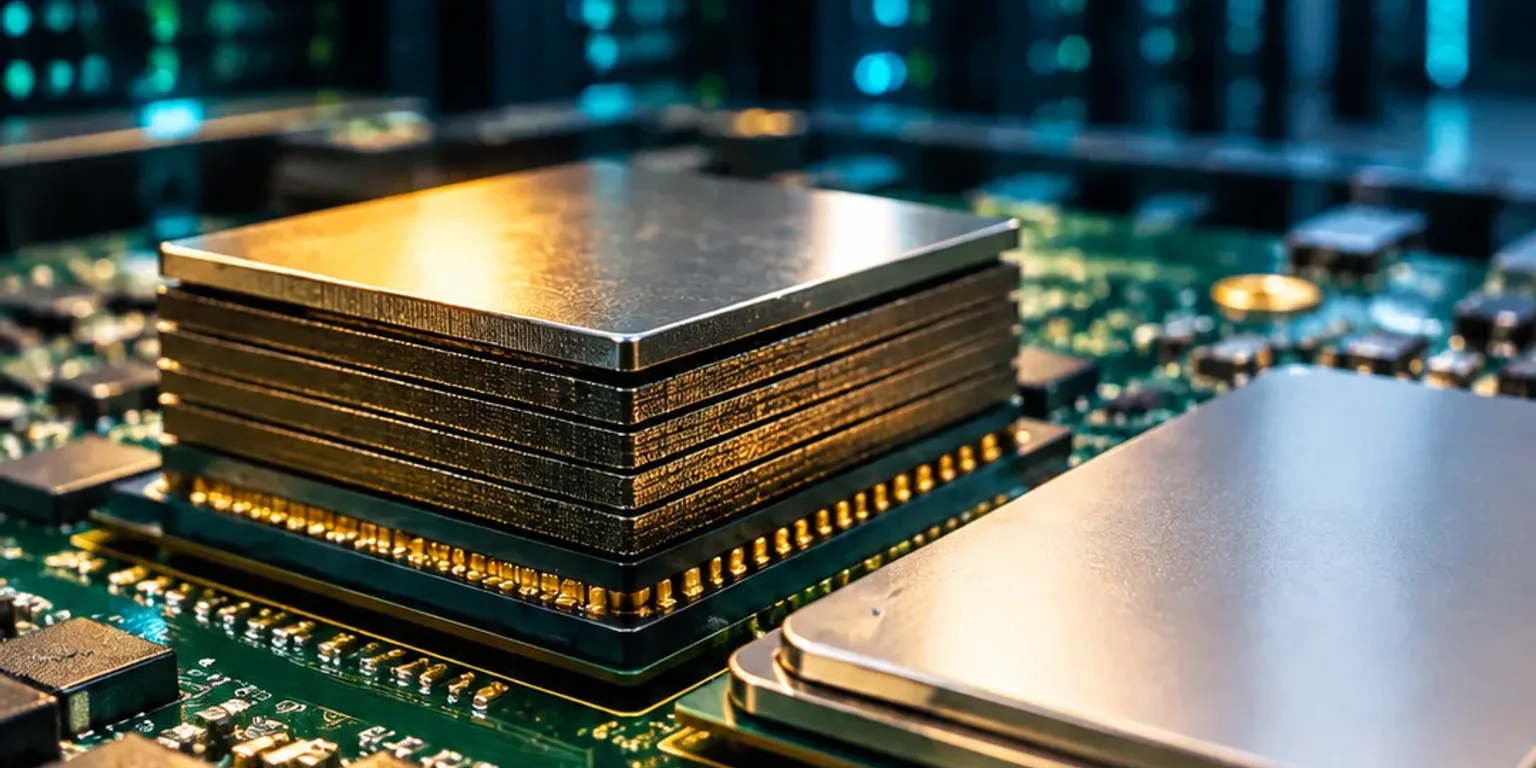
That was the message from executives at SK Hynix, the South Korean chipmaker and key supplier to NVIDIA. They said supplies of DRAM, the working memory in computers, and high-bandwidth memory, a faster stacked version built for AI work, are spoken for for the next three years. They expect the shortfall to persist into 2030.
The claim came alongside blockbuster results. Third-quarter net earnings were roughly $30 billion, three times the year-earlier level, revenue quadrupled to a record, and operating earnings rose roughly seven times to a fresh peak. Shares jumped more than 10%, lifting rival Samsung and helping push South Korea's benchmark index up around 6%.
Management said AI spending momentum should continue because corporate AI investments are driving wider use of AI services and tangible business results.
Questions people ask
What is high-bandwidth memory, and why does AI need it?
High-bandwidth memory is a type of computer memory that stacks memory chips vertically to move data much faster while using less power. It sits next to AI processors in data centers and feeds them the huge amounts of information they need to train and run AI models.
Who is SK Hynix?
SK Hynix is a South Korean company and one of the world's largest makers of memory chips. Along with Samsung, its domestic rival, and Micron in the United States, it dominates the market for DRAM and high-bandwidth memory used in phones, computers, and data centers.
What does a chip shortage lasting until 2030 mean for AI development?
When a key component is sold out for years, customers often order earlier, accept higher prices, and design products around assured supply. For data centers, prolonged tightness can raise the cost of building AI capacity and favor the largest chip buyers that can lock in long-term contracts.