The Mongols Guarded Silk Road Traders Instead of Robbing Them
Appetite for rare imports and the money they generated kept the routes alive while empires came and went.
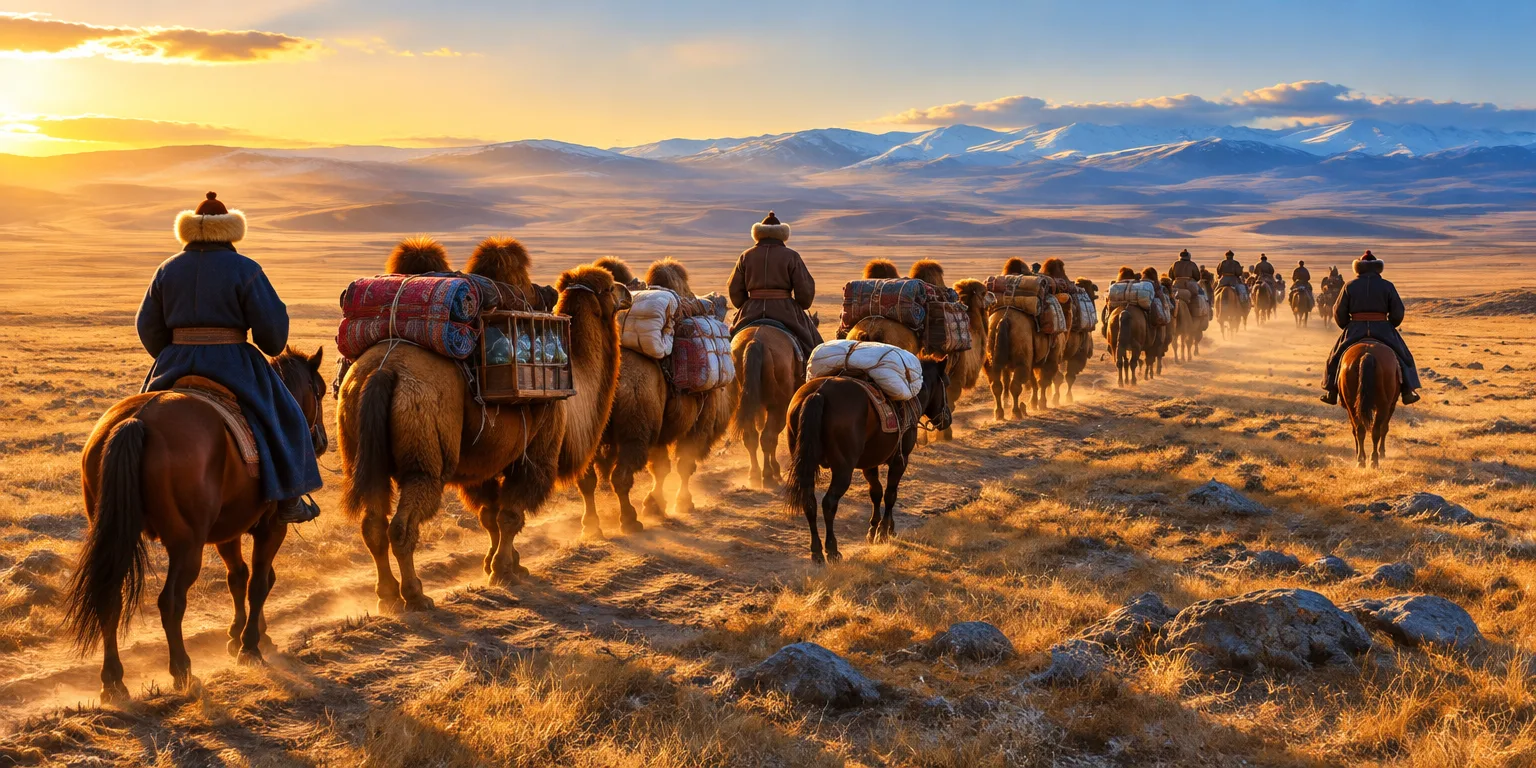
 TED-Ed · The Silk Road: Connecting the ancient world through trade - Shannon Harris Castelo
The Mongolian hordes, with a reputation for looting, chose to guard Silk Road traders instead of robbing them.
The trade routes held together through the collapse of Rome and the rise and fall of dynasties in China. What kept the network intact was appetite for rare goods from afar, and the earnings they produced.
For the Mongols, in other words, a moving caravan was worth more than a looted one. Guarding the road kept the goods moving, and the money flowing.
It is a plain business calculation, and even notorious raiders could make it: protection can pay better than plunder.
Questions people ask
Why would the Mongols rather protect trade than loot it?
A safe road can be taxed year after year, while a looted caravan pays only once. At the height of the Mongol Empire in the 1200s, Mongol rulers guaranteed merchant safety across much of Asia and collected taxes, tolls, and tribute in return. That steady income was worth far more than plunder.
What were the traders carrying that was worth protecting?
Caravans carried silk and other luxuries west, while glassware, horses, and many other commodities moved east. Along with the goods traveled technologies, languages, and religions, including Buddhism moving into China and Japan and Islam moving into South Asia. Protecting merchants meant protecting all that traffic.