The Most Common Grid Battery Runs on Gravity, Not Chemicals
When electricity is plentiful, pumps push water uphill or elevators lift giant bricks, then gravity pays the power back.
 Half as Interesting · Why This Giant Bag of CO2 is Actually Useful
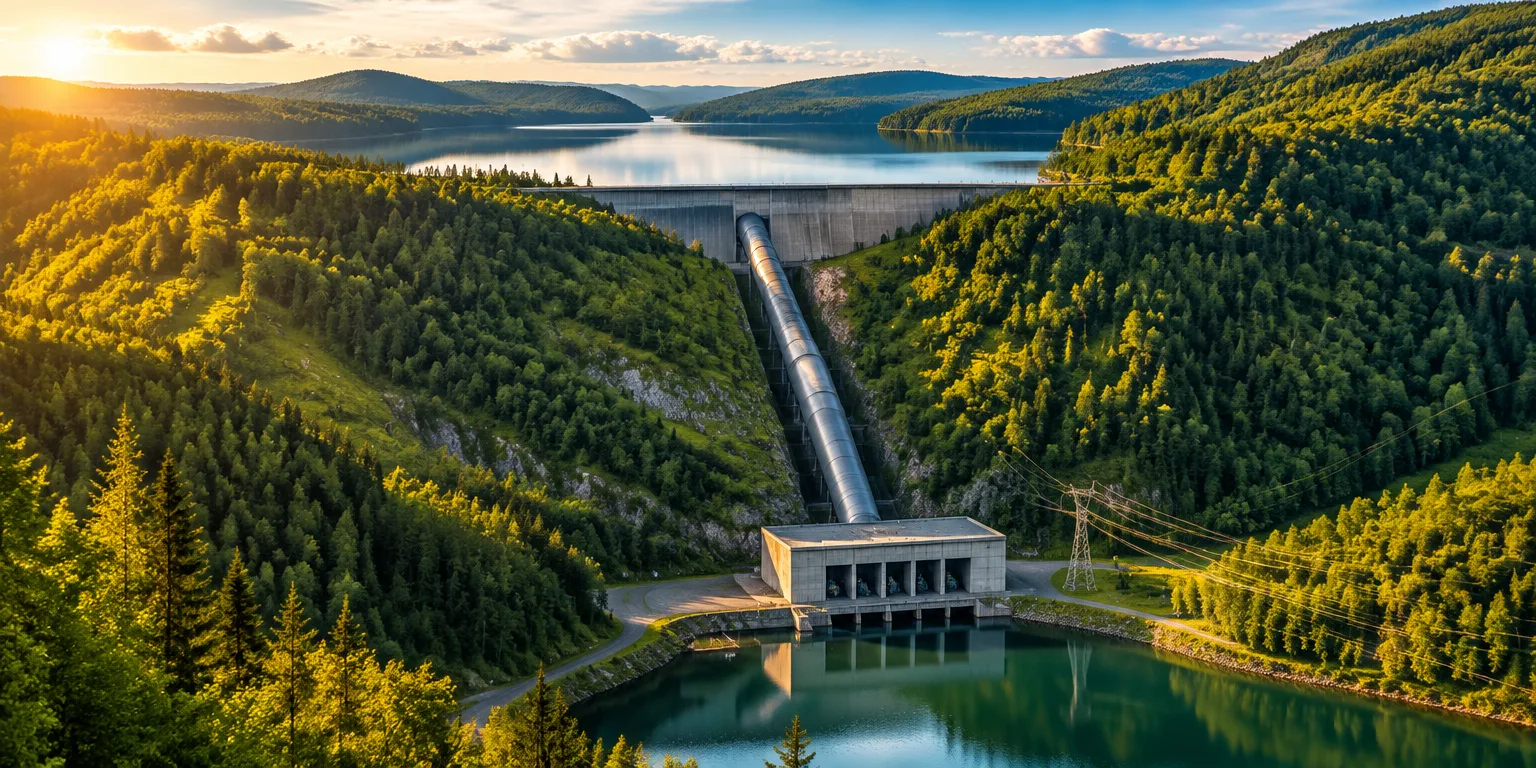
The most common way to store electricity for the power grid involves no lithium. It is pumped-storage hydropower, a system invented before lithium-ion batteries that stores extra electricity as gravitational potential energy, which is the energy something holds simply because it is up high and could fall.
It starts with two large basins built close together, one set well above the other. They are sometimes connected to lakes or rivers, and sometimes built from scratch.
When the grid has more electricity coming in than people need, it uses the surplus to pump water uphill through pipes to the upper basin. The water just sits there, held uphill, until power is scarce.
Then, when supply runs short, operators let the water flow downhill again. On the way, it spins a turbine, turning the fall back into electricity for the grid.
The same trick now works without water. So-called gravity batteries also move heavy things up when energy is plentiful and make electricity as they come down. One earlier effort came from Gravitricity, a firm based in Scotland, which planned to lift weights up abandoned mine shafts and lower them to release power, though that company did not last.
Another company, Energy Vault, builds the idea above ground. Its tower in Rudong, China, rises 33 stories and stores power by hoisting huge blocks that blend soil, water, and polymer up the tower in an elevator. Each weight weighs 24 metric tons, about as much as four male African elephants, and dropping them back down does what falling water does, generating power on demand.
Questions people ask
How efficient is pumped-storage hydropower?
Very. Pumped-storage plants typically return 70% to 85% of the electricity used to pump the water uphill, with the rest lost to friction, evaporation, and the inefficiency of pumps and turbines. That is better than most newer long-duration designs, which is one reason utilities keep building them despite the high upfront cost.
How long can water sit in the upper reservoir?
For hours to days, and in some large reservoirs, longer. Operators usually pump at night or during sunny and windy periods and release during evening peaks. Water can stay in the upper reservoir for extended periods, but evaporation and seepage gradually reduce the stored energy.
Do brick-lifting towers actually work on a real grid?
No confirmed example is given here. The Rudong tower is described as built to lift and lower 24-ton blocks to store and release power, but its grid status is unclear, so whether a brick tower can reliably feed a real grid remains an open question.