The Most Liked Kids Also Liked the Most Classmates
The pattern was that popular students listed liking many classmates, and greetings by name are one way to try it.
 The Mel Robbins Podcast · Body Language Expert: 6 Psychological Tricks to Turn Awkwardness into Confidence
Body language researcher Vanessa Van Edwards was running through habits she believes let ambitious people stay both assertive and liked. She had just finished urging people to drop ambivalent relationships when she turned to what she called the power of liking.
Van Edwards said: "if we find ways to like more people, we become more likable."
She pointed to research by Van Sloan, a researcher who studied high school students across different schools and grades to learn why some kids become popular. He looked at variables from athleticism to grades to attractiveness to humor, Van Edwards said. She said he found one pattern across schools and grades.
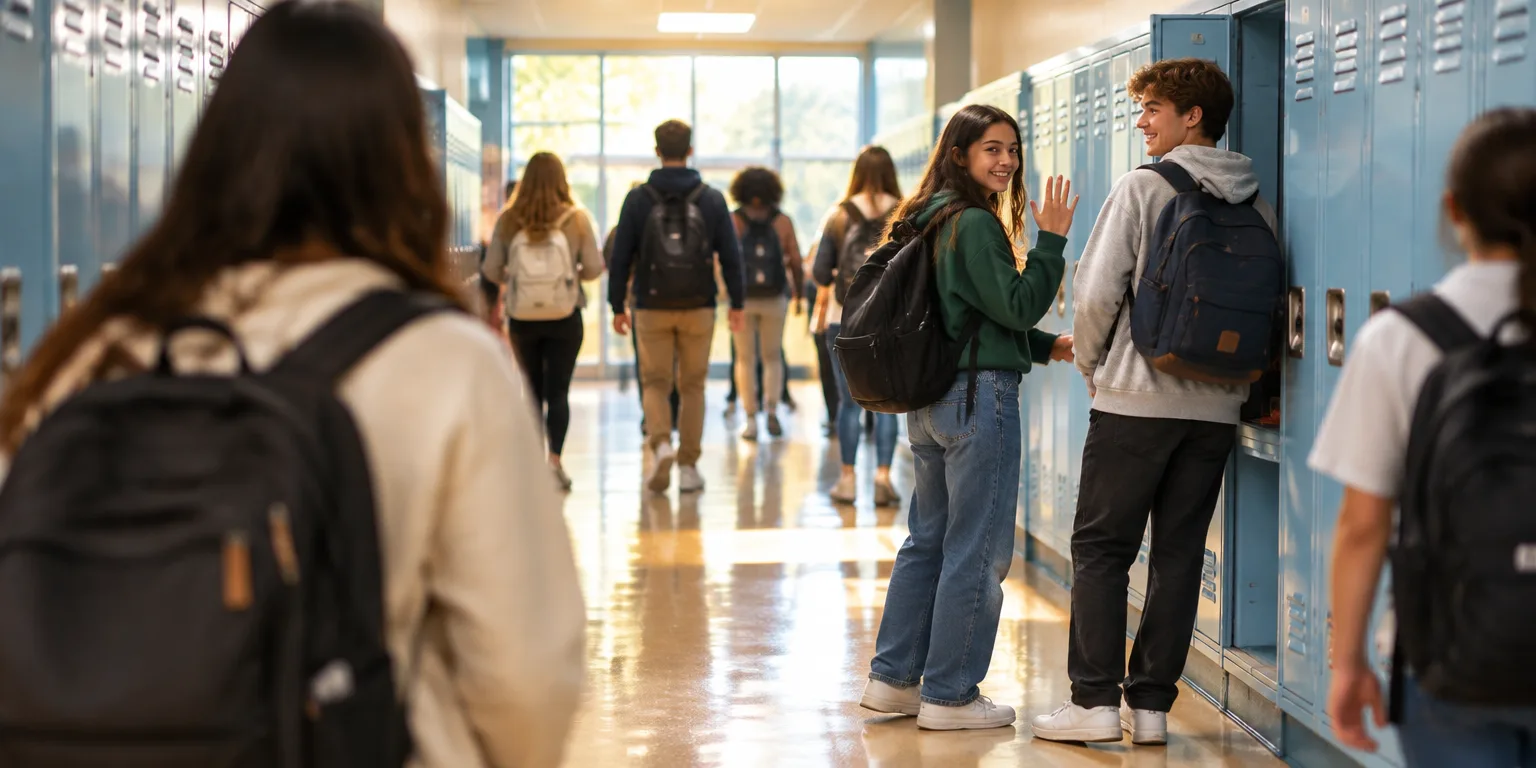
Van Edwards said the finding was that "the most liked kids, the most popular kids, had the longest list of people they liked." They were not holding long conversations in the cafeteria or checking in constantly, she said. They were "acknowledging every single person in the hallway, usually by name," short greetings that add up, which she called "micro-moments of likability."
She gave as examples of what kids said, "Hey, Greg" and "Sarah, looking good."
Van Edwards said the finding changed how she acts as an adult. She described her mission as being the "first liker," the person who asks questions first, who invites strangers to sit with her at conferences, and who says directly, "I like you." She said she tells people she truly likes, "I really like you. I like spending time with you," because she wants them to know it.
She added one limit, that it has to be genuine. She does not want people to fake warmth they do not feel, but to spend more time with people they truly enjoy, and to let that list of liked people grow longer over time.
Questions people ask
Does liking more people actually make you more likable, or are popular kids just nicer because everyone likes them?
No, not by itself. The study found a strong link between liking many classmates and being liked in return, but it did not prove which caused which. Van Edwards argues the direction runs from liking to being liked, and that small greetings are a practical way to test it.
What if I do not naturally like a lot of people?
Van Edwards says do not fake it. Her advice is to spend less time with people you feel unsure about, notice who you truly miss, and then be more open with those people. The warmth has to be real to work.
How do micro-moments work for adults who do not walk school hallways?
Use names, make brief eye contact, and offer one specific, sincere remark. In offices and conferences, that can mean greeting coworkers in the hall, inviting someone to sit with you, or asking the first question. Short and genuine beats long and forced.