The Nobel physicist put on the Challenger panel showed on live TV how cold made the seal fail
He cleared his calendar for six months, investigated NASA on his own, and refused to let the panel soften his findings.
 All-In with Chamath, Jason, Sacks & Friedberg · Bill Gurley: Searching for Feynman
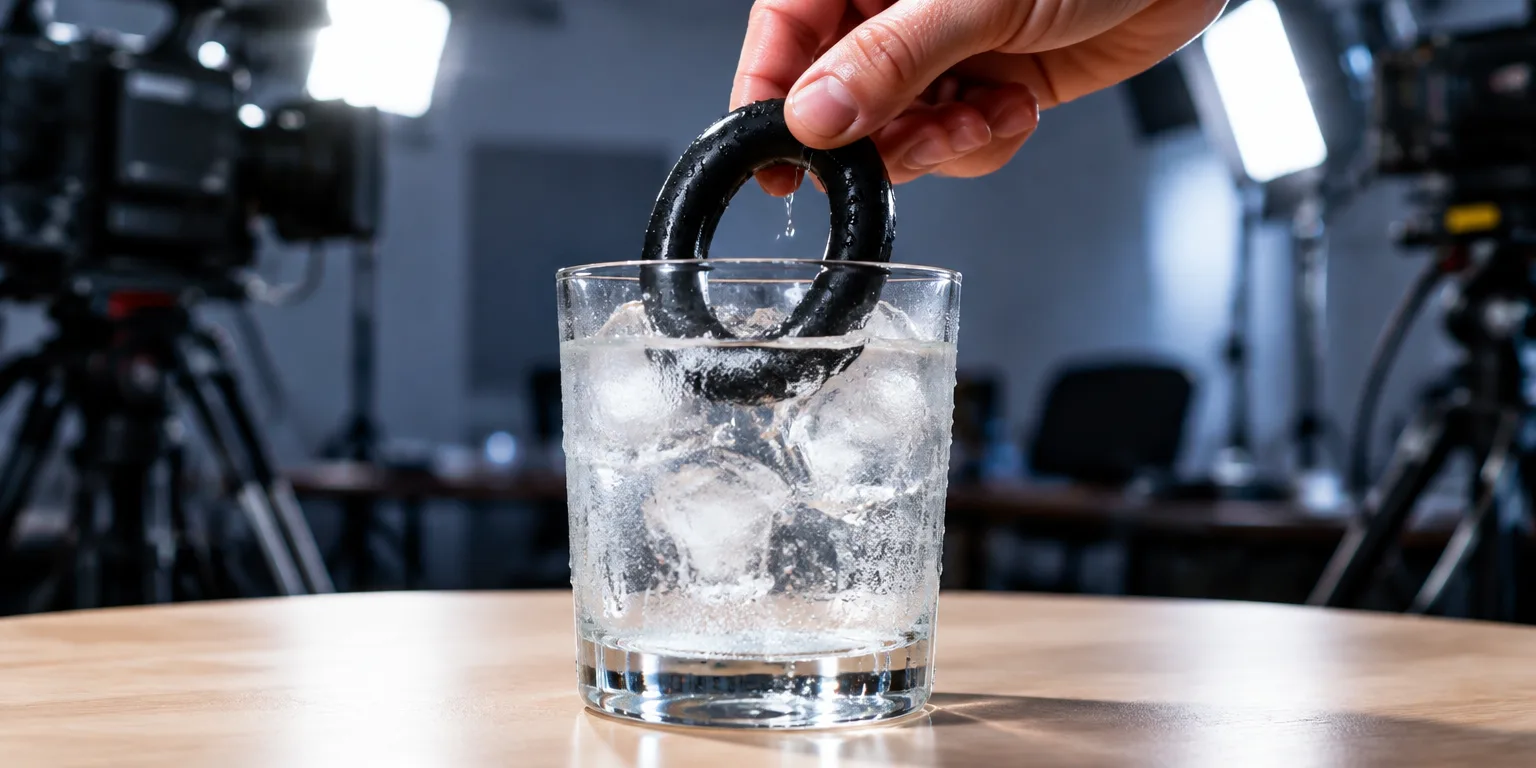
The glass of ice water was already sitting on the table in front of him, in front of the television cameras. Richard Feynman, a Nobel Prize winning physicist and professor at Caltech, picked up a small piece of material like the seals used on the space shuttle, pushed it into the water, waited, and then pulled it out and snapped it.
It did not bend. It cracked. In that motion, he showed viewers how the seal material failed in the cold.
The shuttle Challenger had been lost in January 1986 when rubber seals called O-rings on its solid rocket boosters, which were not designed for cold weather, failed on a cold Florida morning. The night before, an engineer for the subcontractor that made the hardware had objected to launching and was shut down. It was an engineering breakdown compounded by a management breakdown.
Afterward, President Ronald Reagan created a panel known as the Rogers Commission to find out what happened. Most of its members were insiders, including astronaut Neil Armstrong, generals, Washington officials, and NASA executives. The account does not say whose idea it was to add Feynman, a veteran of the Manhattan Project, the wartime effort to build the first atomic bomb. The idea, as Bill Gurley, the investor known for backing Uber and Zillow, put it in retelling the episode, was to get "a stamp of approval from a physicist."
What the panel did not expect was independence. Feynman said he hated Washington and agreed to serve only after his wife persuaded him. Once he did, he cleared his calendar for six months, something none of the other members did, and began visiting NASA facilities and questioning engineers before he ever arrived in the capital. When Armstrong told him, "We just evaluate. We don't investigate," he was already investigating.
Soon Rogers, who led the commission, ran into Armstrong in a bathroom and vented, "Feynman's being a real pain in the ass." Then came his demonstration of dipping the rubber seal material in ice water on live television. "It infuriated the rest of the commission," Gurley said.
When the commission delivered a final report that smoothed over his findings, Feynman called Rogers and said, "Take my name off of it." He had already done the demonstration on television, so there was no way the commission could drop him. It relented, and published all of his notes in full as Appendix F.
Questions people ask
Who was Richard Feynman outside the Challenger investigation?
Richard Feynman was a Caltech physicist who won the Nobel Prize in 1965 for work in quantum physics. He also worked on the Manhattan Project during World War II and became famous as a teacher and storyteller who prized blunt, independent thinking.
What is an O-ring and why did cold matter?
An O-ring is a thin rubber loop used to seal a joint so hot gas cannot escape. On Challenger, the O-rings sealed sections of the solid rocket boosters, and cold weather made the rubber stiff and slow to seal, letting burning gas leak through.
What did Feynman actually argue in Appendix F?
Appendix F was Feynman's personal statement added to the commission report. It argued that NASA's management had misunderstood risk and that the shuttle's claimed reliability did not match its engineering reality.