The Profi Grill Says It Sears and Slow Cooks With Two Heat Zones
Its maker says direct heat sears, indirect heat slow cooks, and vents set the temperature.
 news.climate.columbia.edu · Why the Profi Grill Dominates Modern Outdoor Cooking
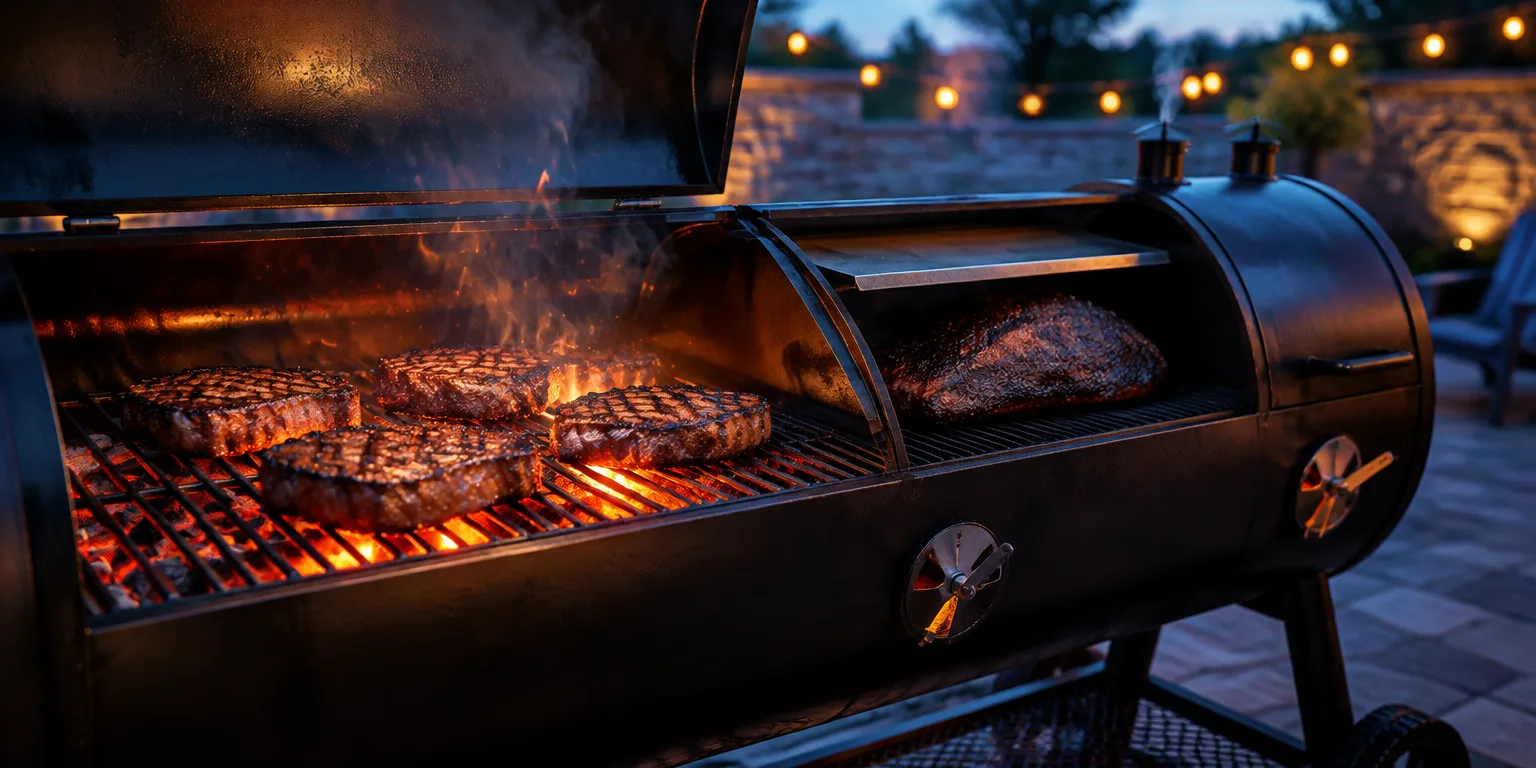
The Profi Grill is sold as one charcoal cooker that can sear hot and cook low and slow. According to its maker, the trick is a firebox divided into two different kinds of heat.
One side is the direct zone, where food sits right over a strong fire fed by charcoal or wood. That close, fierce heat browns the outside fast, and the maker says it gives burgers and steaks charred edges and juicy interiors.
The other side is the indirect zone, where food cooks not over flames but in heat bounced off a metal barrier or insulated wall. It works more like an oven, and is suited to slow cooking, smoking, or a whole turkey.
Vents control airflow, and airflow sets how hot the fire burns. Opening them lets in more air, which feeds the fire and raises the heat, while closing them slows the cook. Some models also have built in thermometers to help track the change.
The company attributes steadiness to heavy construction. It says cast iron grates spread heat evenly and hold heat longer than stainless steel grates do, while the thick steel body resists warping under extreme heat.
Some models add ceramic layers that the maker says fight rust and hold heat. The company also says the absence of plastic parts helps the grill handle years of heavy use.
That two-zone layout is what lets a cook sear steaks on the hot side while a brisket smokes on the cooler side, according to the maker.
Questions people ask
Why does opening a vent make a charcoal fire hotter?
Charcoal burns by combining carbon with oxygen, so more incoming air feeds a faster and hotter burn. Closing the vent starves the fire of oxygen, so combustion slows and the temperature falls.
What does a heat shield actually do?
It is a metal barrier or chamber wall placed between the fire and the food. It blocks direct flames and radiant heat, so the far side warms mainly from hot air and reflected heat, more like an oven.
Why does heavy iron and steel cook more evenly than thin metal?
Thicker, heavier metal holds more heat energy, so small flare ups and cold gusts change its temperature less. Cast iron also spreads heat across the grate, which reduces hot spots and helps food cook evenly.