The Smithsonian Has No Record of a 1909 Grand Canyon City for 50,000
The 1909 account described hundreds of rooms, seed vaults, and copper tools, but the Smithsonian has no record of Kincaid, the expedition, or the artifacts.
 The Why Files · The Last Sign: 3I/ATLAS and the Hopi Blue Star
A 1909 newspaper account said explorer G. E. Kincaid, traveling with a Smithsonian party, had found a Grand Canyon underground city large enough to house 50,000 people, but the Smithsonian has no record of Kincaid, the expedition, or the artifacts.
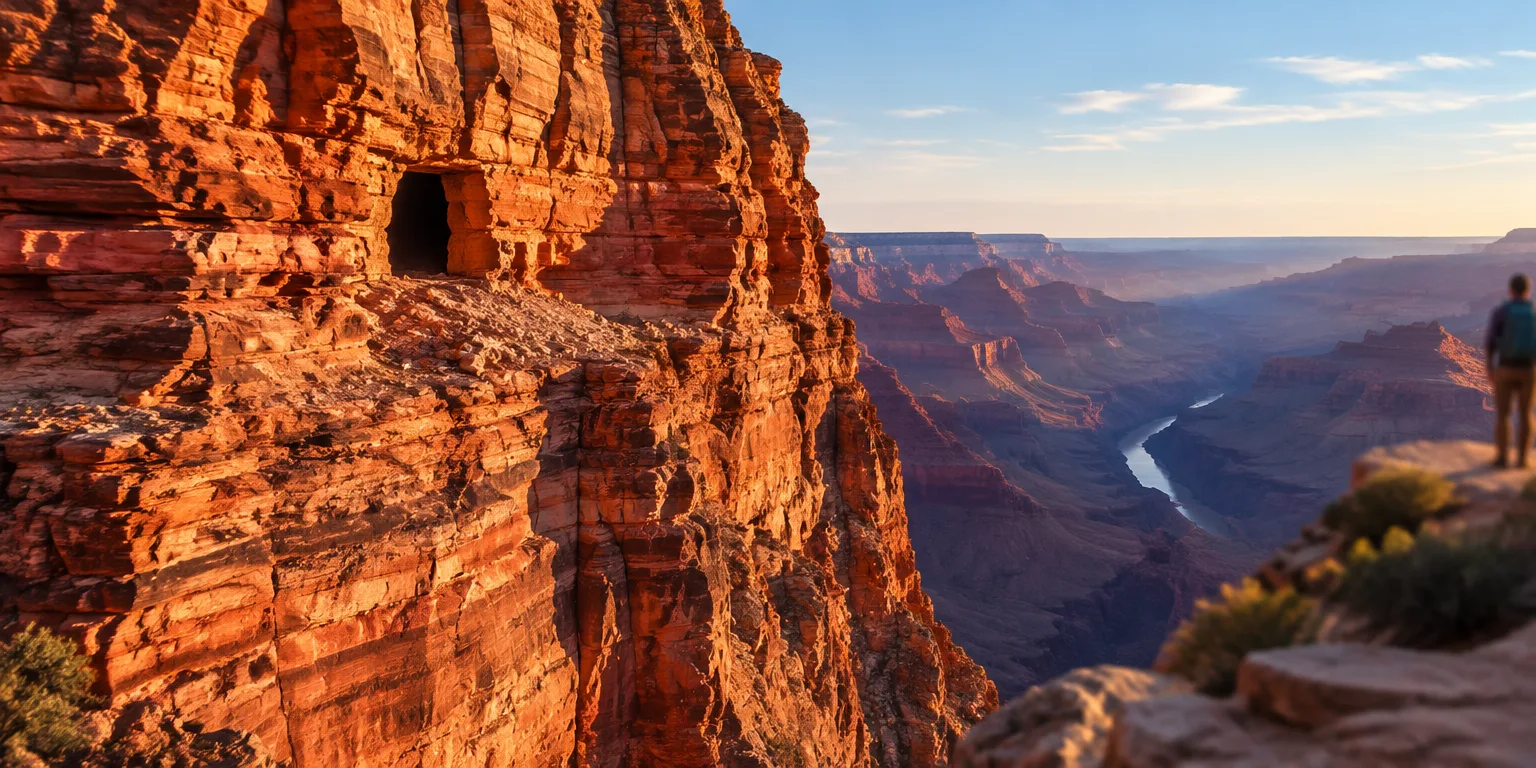
Those vivid details, a tunnel cut into solid rock 2,000 feet up a sheer wall, hundreds of rooms, seed filled vaults, copper tools, and stone idols, all come from that newspaper report. No tunnel or artifacts from the account have ever surfaced.
Hopi tradition tells of ant people who sheltered humans underground during past disasters. Rock art near the Hopi mesas is described as showing slender beings with almond shaped eyes. The Hopi term is Anu Sinom, meaning ant people, while the Anunnaki form came from a writer in 2006 who added a Sumerian ending to suggest an alien link.
Questions people ask
Has anyone ever found the tunnel or artifacts?
No. The Smithsonian has no record of Kincaid, the expedition, or the artifacts, and no such tunnel or city has been documented. All the details come from the 1909 newspaper report.
What does Anu Sinom mean?
Anu Sinom means ant people. The beings appear in stories about past disasters, when humans survived underground with their help.
Why is part of the Grand Canyon off limits?
Large parts of the Grand Canyon are restricted for safety, conservation, and respect for tribal sites, and much of the terrain is sheer and dangerous. Restricted access is normal there, not proof of a hidden discovery.