The type machine that won did not copy human hands
By casting whole lines at once, the Linotype was easier to build and fix, and it kept getting better once printers adopted it.
 Res Obscura · The "mechanical miracle" that ruined Mark Twain's life
In the 1880s race to automate printing, the better machine on paper lost. Inventor James W. Paige built a typesetter that was theoretically superior to its rival, the Linotype. The Linotype won anyway, because it stopped trying to act like a person.
To understand why, start with what typesetting was. A human compositor, the skilled print shop worker who assembled pages, picked up individual metal letters one by one and arranged them into words, lines, and pages. It was fiddly, skilled handwork.
Paige tried to automate those exact movements. His machine was an extraordinarily elaborate mechanical replica of the compositor, built to repeat what human hands and fingers already did. In perfect conditions, that fidelity looked like an advantage.
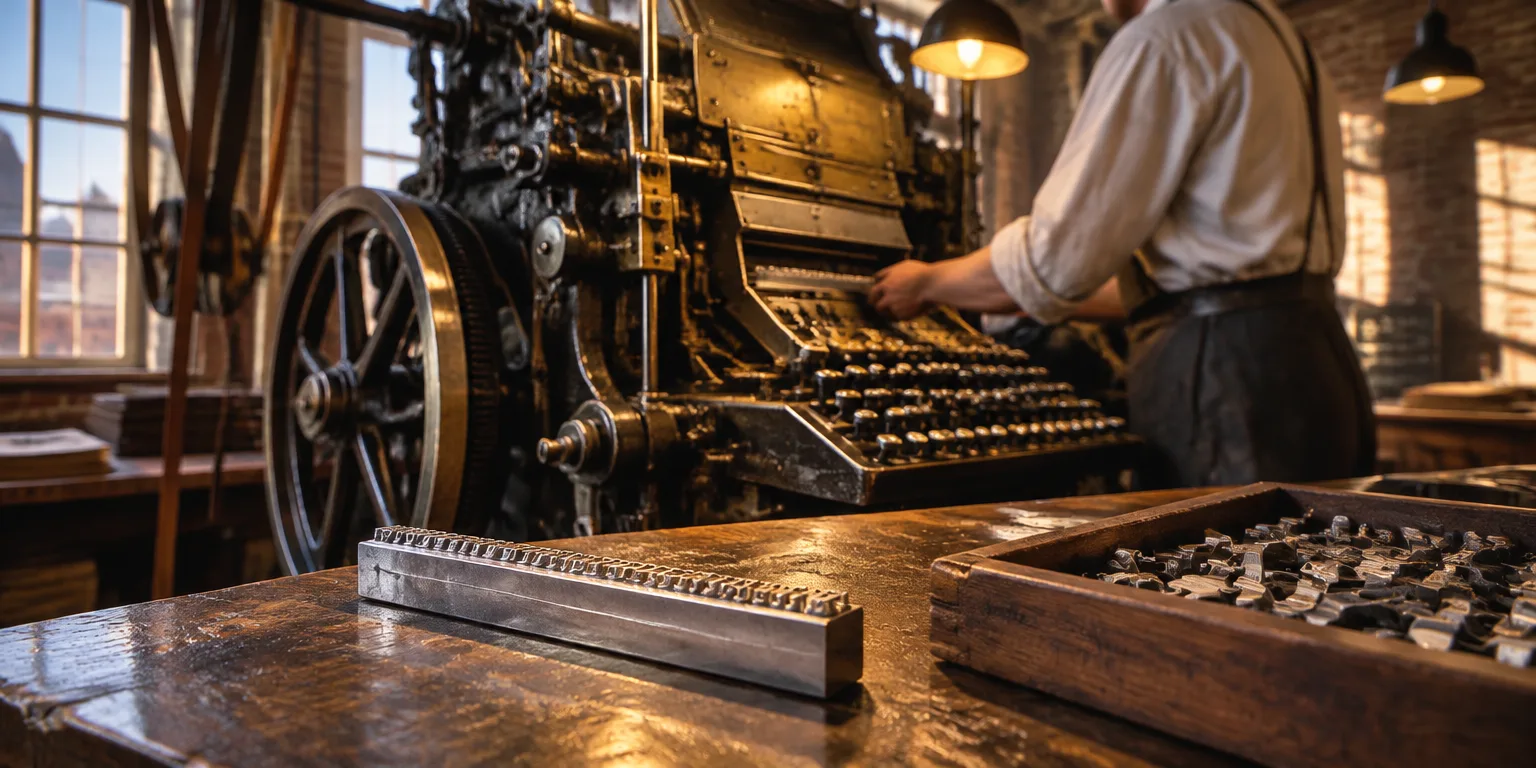
The Linotype took a different path. Instead of picking and placing single letters the way people did, it made the task easier by molding an entire line in one solid piece. It rethought the nature of the job around what suited a machine, rather than reproducing the existing form of human labor.
That choice paid off in the print shop. Inventors meet their machines in clean workshops, but once a technology leaves the shop, it fails in ways nobody imagined. Shop owners trusted the technology whose breakdowns were steady enough for regular staff to anticipate and mend, and the Linotype could be manufactured at scale and serviced with far less trouble.
It was also initially slower. But ease of use helped it claim the market, and the market helped it improve. As more printers bought it, makers refined it in a feedback loop until the simpler idea became far superior.
The lesson is one engineers still relearn: do not copy the worker, change the job.
Questions people ask
What did a human compositor actually do?
A compositor assembled text for printing by selecting individual pieces of metal type, each bearing a single letter or symbol, and locking them into a frame to form lines and pages. After printing, the type was cleaned, sorted, and reused. It was skilled, repetitive, and slow.
How did casting a whole line work?
The operator typed a line on a keyboard, and the machine assembled molds for those characters and then cast them as one solid metal bar, called a slug. The printer could reuse the slug for the whole press run, then melt it down for the next job. Handling one solid line was faster and sturdier than handling dozens of loose letters.
Why does being easy to repair beat being faster on paper?
A printing press that stops costs money, so owners prized machines a regular mechanic could diagnose and mend quickly. A marvel with thousands of custom parts can sit idle for days waiting for an expert or a rare replacement. Predictable repairs often matter more than peak speed.