The typical medieval English child grew up with one sibling and older parents, just like today
In England, most people wed in their middle to late twenties, and the typical child grew up with one sibling.
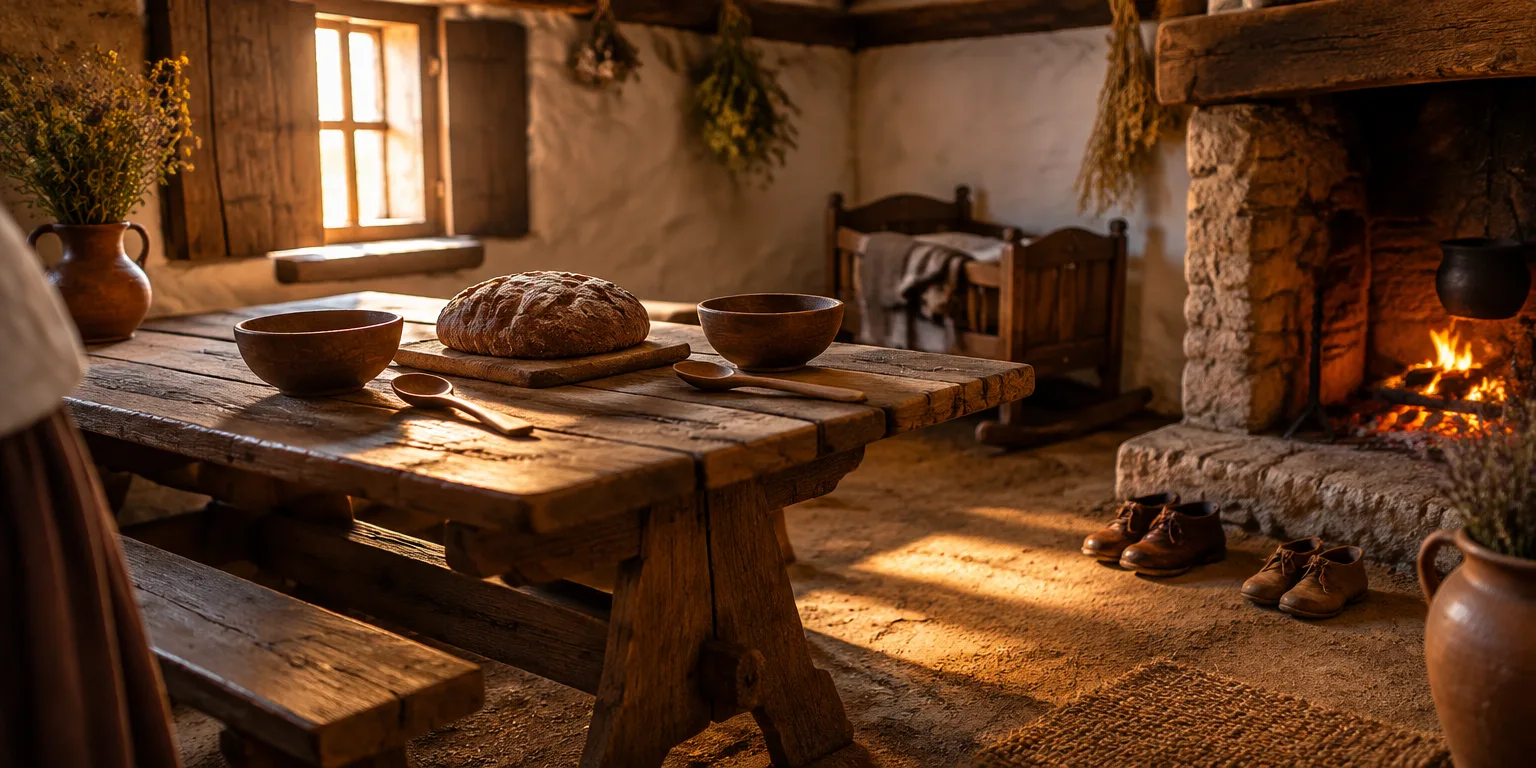
 The Works in Progress Newsletter · The myth of medieval childhood
Forget the image of the cottage crowded with a dozen children. Very large families did turn up now and then, but a typical household counted three or four children, with a few more among wealthy parents and a few fewer among the poorest.
In England, one reason totals stayed modest was late marriage, usually when people were in their middle to late twenties. Roughly a quarter of youngsters did not survive the opening year of life, and about 15 in 100 more did not reach ten.
That harsh arithmetic left the median English child at home alongside one brother or sister, cared for by parents in their 30s or 40s, much as now. Grandparents who were still alive tended to live close by, though usually not in the same house.
Questions people ask
If people married that late, what about all those teenage brides?
Aristocratic girls could marry young for dynastic reasons, sometimes in their teens, but that was the exception. For ordinary English people, marriage usually required the means to set up a household, which took years of work and saving. That pushed weddings into the mid or late twenties for both men and women.
Why did so many children die?
Infection, poor nutrition, and limited medical care made the first year especially dangerous, with diarrhea, respiratory illness, and fevers among the major killers. If a child survived infancy, the risk fell but remained high by modern standards. About 40 percent did not reach age ten.