The U.S. and Soviets cut nuclear weapons a few at a time so neither had to trust the other
Each small cut was checked before the next, so neither side had to take the other's word.
 Big Think · 3 game theory tactics, explained
If any rivalry looked like a pure win-lose fight, it was the Cold War between the United States and the Soviet Union. One side's gain was supposed to be the other's loss, in what game theorists call a zero-sum game.
Game theory is a mathematical way to make sense of these strategic encounters, where each side pursues its own goals. John von Neumann, who laid out the field with Oskar Morgenstern in their book Theory of Games, first built it to explain economic behavior like buying and working for wages. Later researchers extended it to biology, international relations, and even friendship and family life. One lesson from game theory research was that many interactions seen as zero-sum, or competitive, are "not as competitive as they seem."
Arms reduction shows how this worked. American and Soviet leaders realized both sides could cut the huge cost and labor of maintaining big arsenals if they each had fewer weapons. When Ronald Reagan and Mikhail Gorbachev negotiated the START Treaty, the obstacle was not the goal. It was verification. How could Washington be sure that while it was eliminating nuclear weapons, Moscow was doing the same, and vice versa.
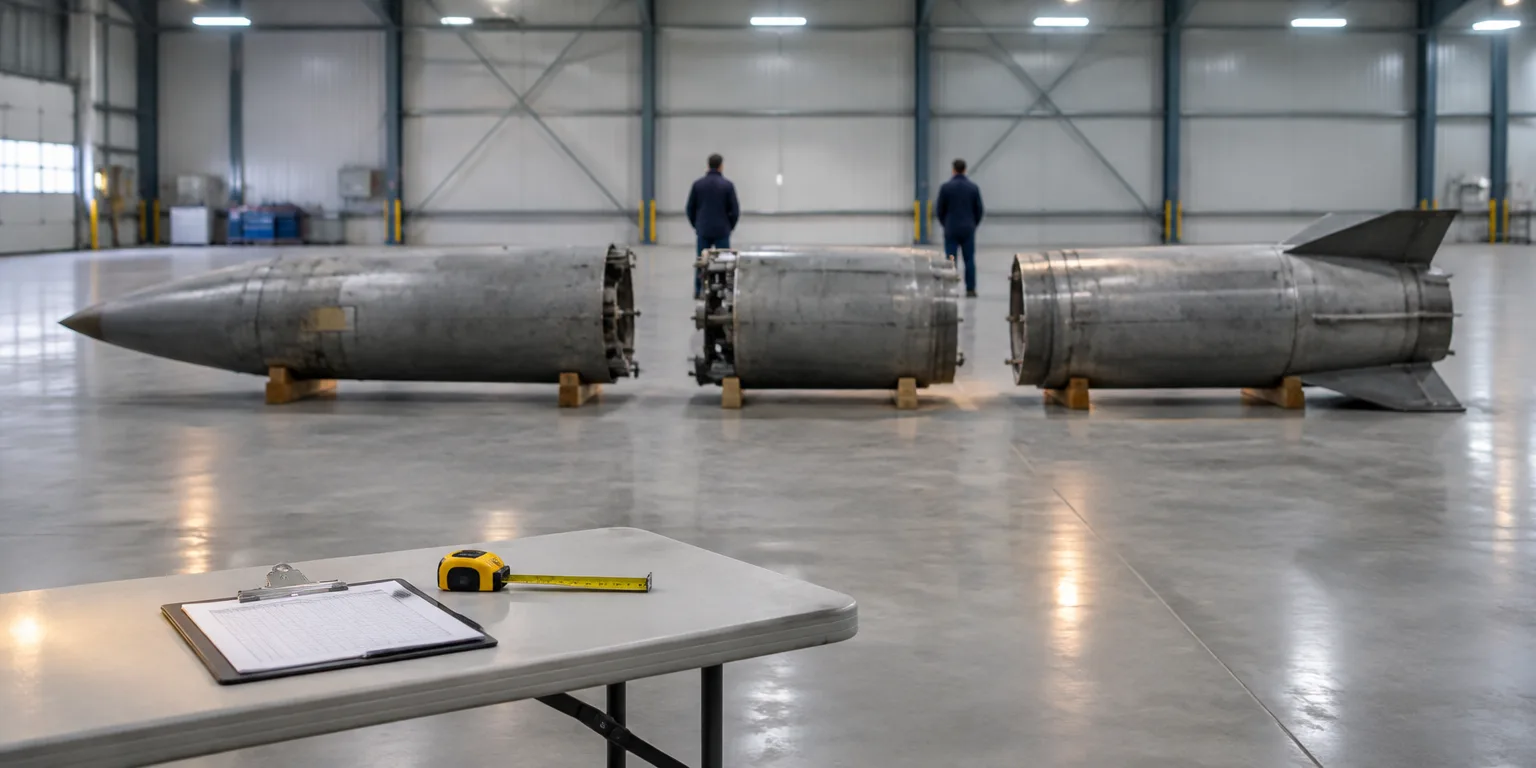
Their answer was to stop treating disarmament as one giant trade. Rather than each side getting rid of a large share of its arsenal at once and hoping the other would follow, they divided the work into many tiny exchanges. The Soviet Union would eliminate just a few weapons, then the United States would eliminate just a few weapons. They would pause to verify, then continue, then eliminate a few more.
Because only a few weapons were at stake in any one step, each side could confirm the other's cut before making its own next cut. Neither side had to take the other's word for the whole arsenal at once.
Questions people ask
Did these step-by-step cuts actually reduce nuclear arsenals?
Yes. The START I treaty, signed in 1991, capped U.S. and Soviet deployed strategic warheads and set up on-site inspections and data exchanges. By the late 1990s both sides had cut deployed strategic warheads from roughly 10,000 each to around 6,000, with further cuts under later treaties.
How did inspectors verify the other side was really cutting weapons?
START created detailed counting rules, notifications, and short-notice inspections at missile bases and storage sites. Bombers, missiles, and launchers were displayed or modified in agreed ways so satellites and visiting teams could confirm eliminations. Each small cut produced paperwork and evidence before the next step began.
Does this small-steps idea have a name in game theory?
It is often described as an iterated game, meaning the same players meet again and again rather than playing once. Repetition lets each side reward cooperation and punish cheating in the next round. Research on the prisoner's dilemma shows cooperation becomes much more stable when the future matters.