The UN climate fund will pay for disasters, but it refuses to call it compensation
Rich countries agreed to help with climate disasters, but only if the money is not called compensation.
 Global News Podcast · Yemen's humanitarian crisis
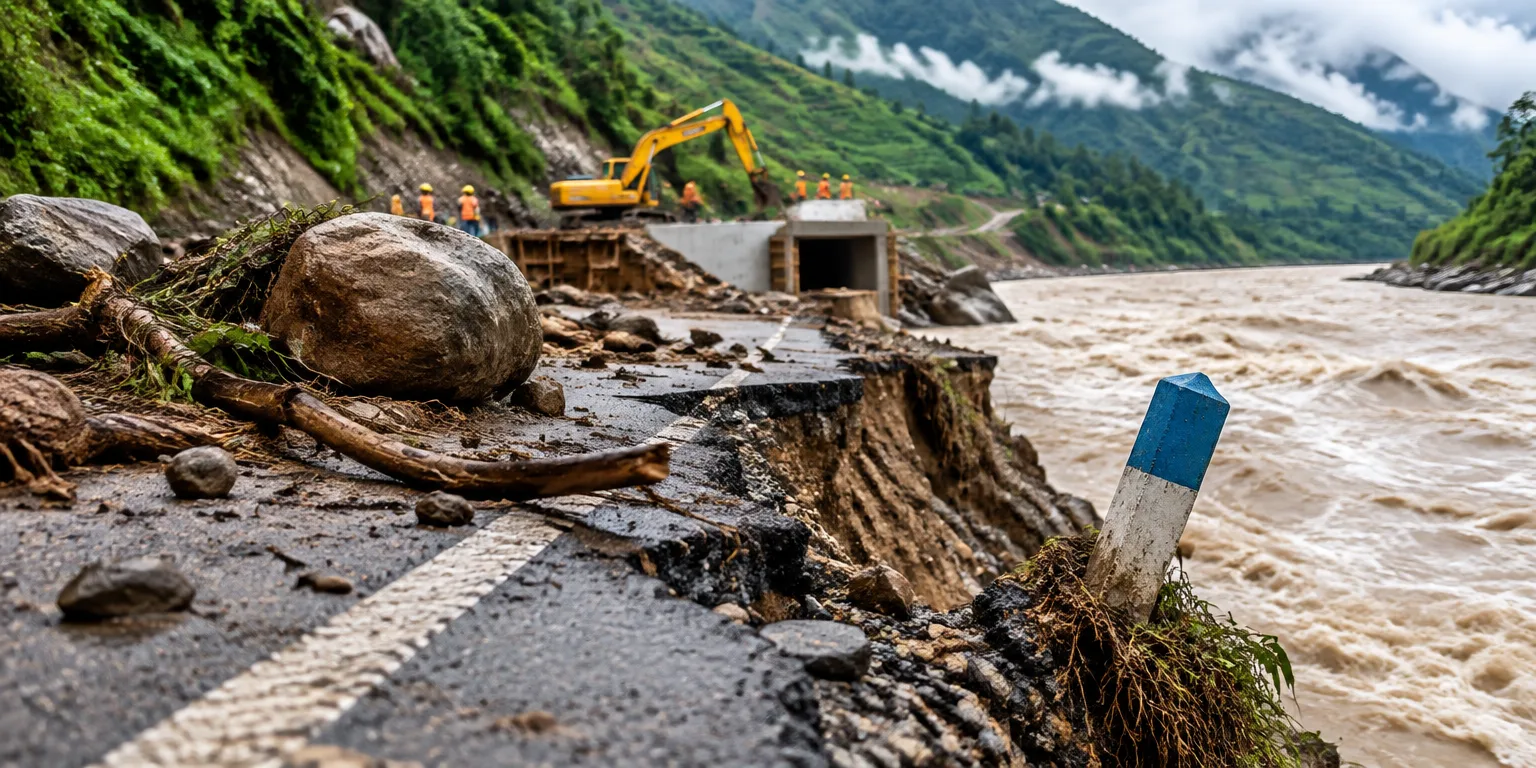
Nepal is about to receive $20 million from a new United Nations climate fund, the first payout of its kind. The money is meant to help rebuild the Rasuwa, Bhotekoshi, and Trishuli corridor after flooding on August 26.
The need is far larger. Rebuilding that corridor will cost about $5 billion, according to Navin Sinkadkar, a global environment correspondent. He said Nepalese officials told him the $20 million, plus $1.6 million for administrative and overhead costs, is actually nothing, but has its own significance.
The fund is formally called the "fund for responding to loss and damage," he said. The wording is deliberate.
The idea began as compensation. For years, poor and developing countries argued that they were suffering climate disasters they did little to create, and that the wealthy countries that produced most of the pollution should compensate them.
Rich countries agreed to create a fund, established three years ago and put into operation last year, but only on the condition that it would not be about compensation. Developed countries were a bit wary that paying compensation would bring floodgates of claims from developing countries.
Instead, money flows as assistance. The fund was set up through the UN's main climate treaties, with the World Bank as trustee. Cash comes from developed countries and goes to developing ones, including the poorest countries and small island nations.
The demand already dwarfs the supply. Another 119 countries have requested help totaling close to $3 billion, while the fund holds less than $350 million.
Questions people ask
What does loss and damage mean?
Loss and damage is UN shorthand for harm from climate change that cannot be avoided by cutting emissions or adapting, such as homes washed away by floods or farmland ruined by rising seas. Wealthy countries emit the most greenhouse gases, while poorer countries often suffer the worst effects.
When was the fund created, and why is the World Bank involved?
The fund was set up three years ago and began operating last year. The World Bank serves as trustee, meaning it hosts and manages the money.
Is $350 million a lot for this kind of fund?
No, it is small next to demand. The fund holds less than $350 million, while 119 other countries have already requested close to $3 billion. That leaves requests at more than eight times the money available.