In 2017, There Was No Way to Tell YouTube What a Good Video Was
Telling it to chase likes buried politics, telling it to chase shares hid health advice, and telling it to chase watch time rewarded whatever kept eyes glued.
 Tom Scott · Why The YouTube Algorithm Will Always Be A Mystery
Back in 2017, YouTube's recommendation system could not judge what a good video was, and three obvious goals, likes, shares, and watch time, would each break something different.
In the account of one YouTuber who dug into YouTube engineers' published research, the system was fed examples of viewer behavior, tested on what it suggested, and run through that loop a billion times until it got good at keeping people watching. No human could look inside to see its reasoning. It was, in the YouTuber's words, "designed by a computer, for a computer."
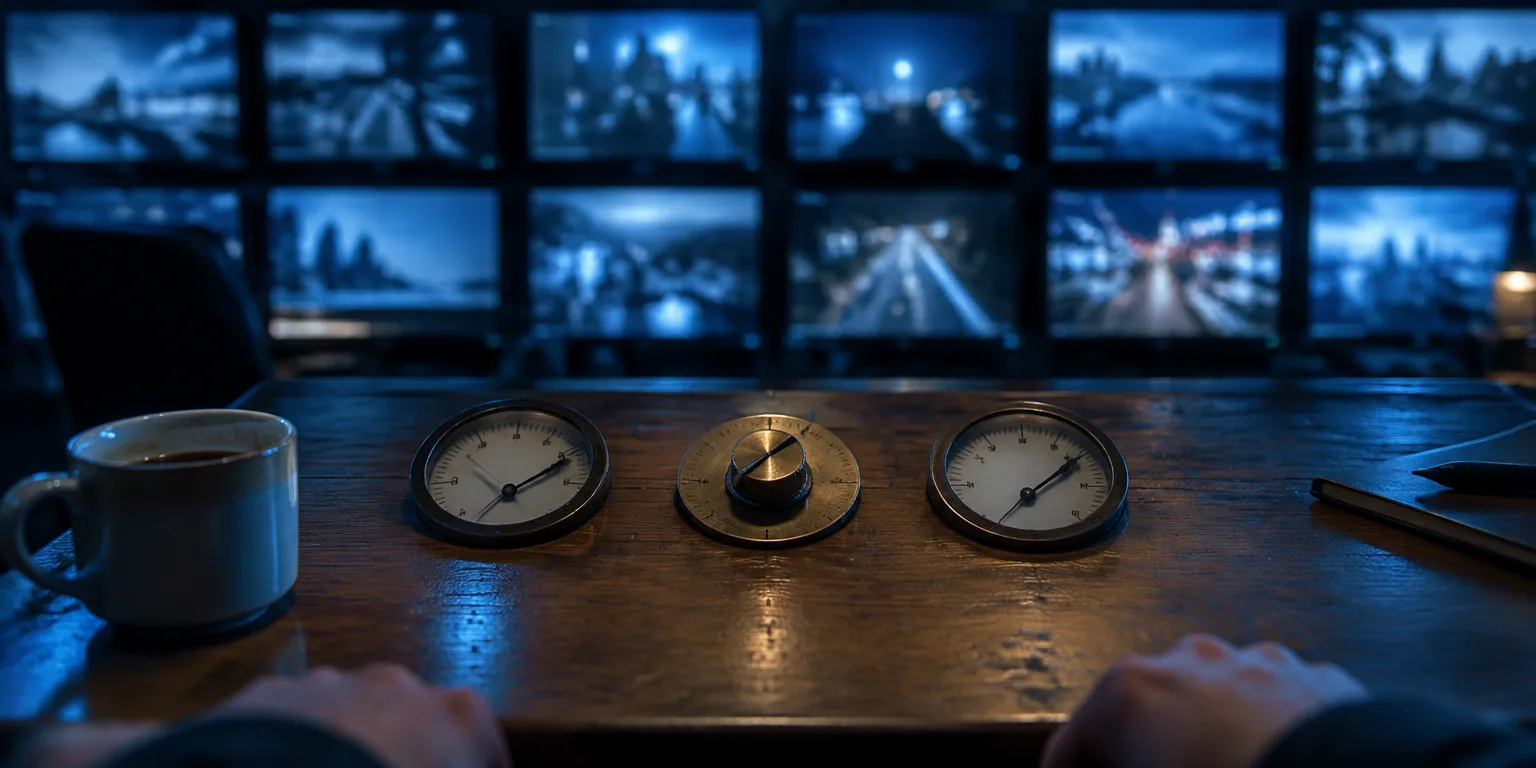
So all YouTube could control back then was the score it told the machine to maximize, and each possible score would break something different.
Tell it to show videos people liked, and politics would disappear. A channel that discussed contested issues would collect dislikes from people who simply disagreed, and anyone with a small but loud group of critics would get buried.
Tell it to show videos people shared, and a different part of YouTube would disappear. Videos about private subjects like medical worries or sex education would vanish. Creators with small, loyal, but quiet followings would fade from view too.
YouTube's starting point, described in the engineers' paper, was a reasonable sounding target: increase watch time. But it created a bigger problem, because a computer had no way to judge quality, truth, or context.
It could not tell reliable information from paranoid conspiracy clickbait, which got a lot of traction in part because many people could not tell the difference either. It could not tell an educational show made for children from a creepy, unofficial knockoff that misused familiar characters. It registered only which selections kept young viewers watching.
So total viewing minutes could climb for a while. But many of the videos doing the lifting would be, in the YouTuber's words, "questionable at best and actively harmful at worst," the kind that would make advertisers nervous. And because the system was a black box, YouTube could not fix its thinking directly. It could only change the feedback it got, changing which examples counted as successes or failures, and see whether the machine learned better.
Questions people ask
What is watch time, and why does YouTube care about it?
Watch time is the total minutes viewers spend watching, while views count clicks and likes count button presses. YouTube favored watch time because it better reflects sustained attention, and more sustained attention means more ads can be shown.
Why can't engineers just open up the algorithm and see why it recommends something?
In a neural network, millions of numerical weights determine how inputs turn into outputs, and those weights are adjusted automatically during training. Researchers can see the numbers but cannot translate them into human reasons like this video was recommended because it is true.
Do other social apps have the same problem?
Largely yes. TikTok, Instagram, and Facebook also train machine learning systems to maximize attention using likes, shares, replays, and watch time. They face the same tradeoffs, where divisive or sensational material often outperforms quieter but useful posts.