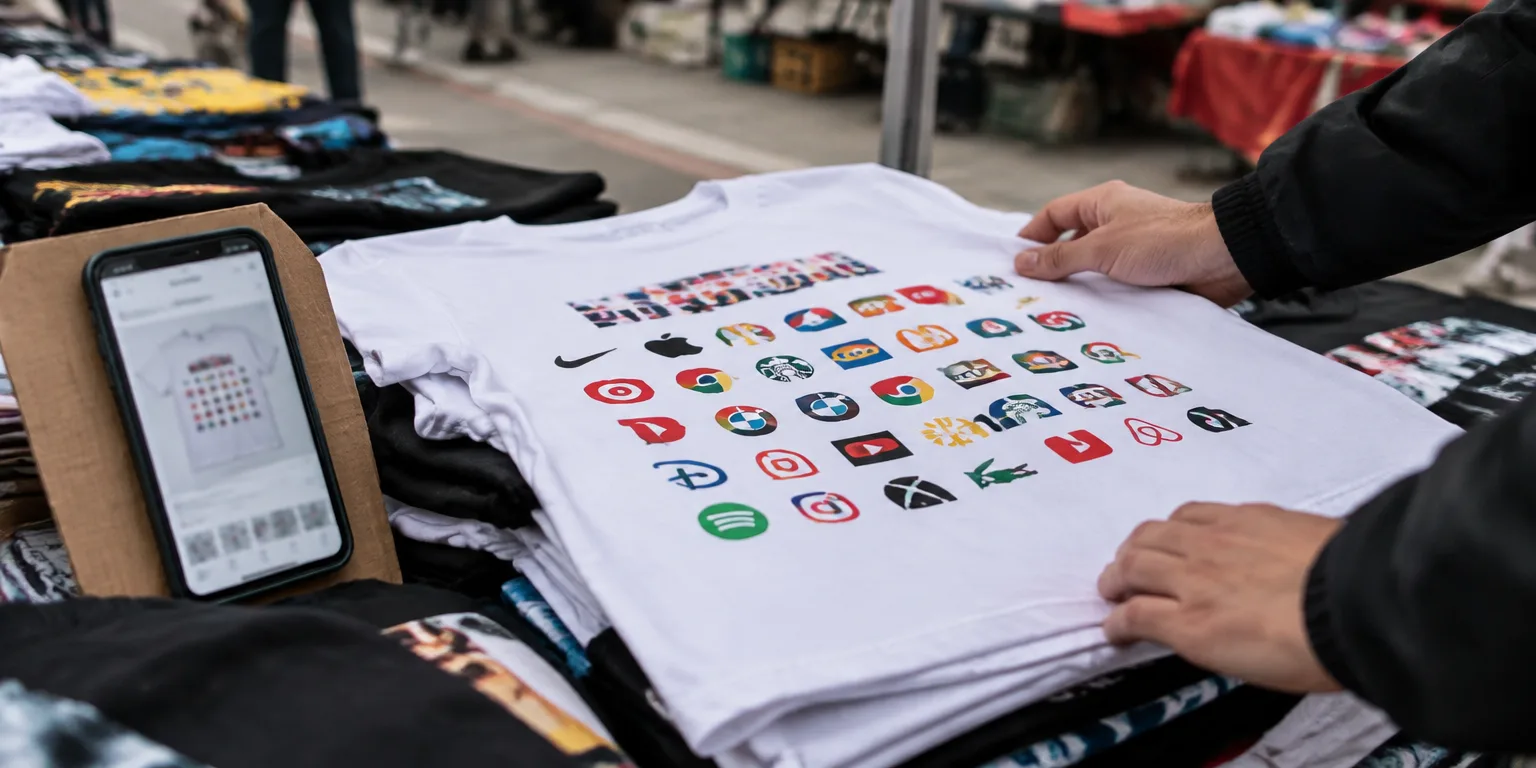
They never sold merch, so fakes sold shirts covered in their ads
Knockoff sellers copied the sponsor logos too, giving the advertisers free impressions.
 The Prof G Pod with Scott Galloway · Why OpenAI Bought a 17-Month-Old Podcast
Jordi Hayes and John Kugan, the co-hosts of the tech talk show TBPN, made merch covered with their advertisers' logos and then never sold it. Selling merch was not their core business and would not move revenue much.
Fans were excited about the merch, and fake websites began selling knockoff TBPN merch, putting the advertisers all over the merch the way the hosts had. In effect, the fakes were running an unauthorized business trading on exposure for the show's own advertisers.
It was an accidental tribute to how thoroughly the hosts weave in sponsors. They keep corporate logos on screen during interviews, even while guests are talking, and they attach a full ad read to the close of each short clip they post.
Questions people ask
Why would a podcast put sponsor logos on shirts in the first place?
They treat sponsors as part of the look everywhere, with logos on screen, on clips, and at live events. The idea is constant visibility, since reaching the right business buyers matters more than a single long commercial.
Is it legal to sell fake merch like that?
Generally no. Using another show's name and its sponsors' trademarks without permission can be trademark infringement. Rights holders can send takedown notices and sue, though enforcement against some small sites can be difficult.
Do the podcast or its sponsors get any money from the knockoffs?
Typically the seller keeps whatever a buyer pays, so the show and its sponsors would not see that money directly. The benefit to sponsors is only indirect, in extra exposure they did not approve or control.