This Builder Tells Every Contractor About a Schedule Change in One Second
Owning the code lets Smith Douglas Homes share one live schedule with contractors, and keep costs tight while building fast.
 Forbes · This Billionaire Builder Wants To Make Homes Affordable
Change the schedule for one house, and every contractor sees it within a second. That is how Tom Bradberry, the 80-year-old executive chairman of Smith Douglas Homes, runs construction.
Smith Douglas builds starter homes for lower to middle income buyers in Southern markets including Nashville, Charlotte, and Raleigh. It does not rent its construction software. It owns it outright, and keeps its own programmers in house to tailor it; Bradberry says they "can update it and make changes as we see fit."
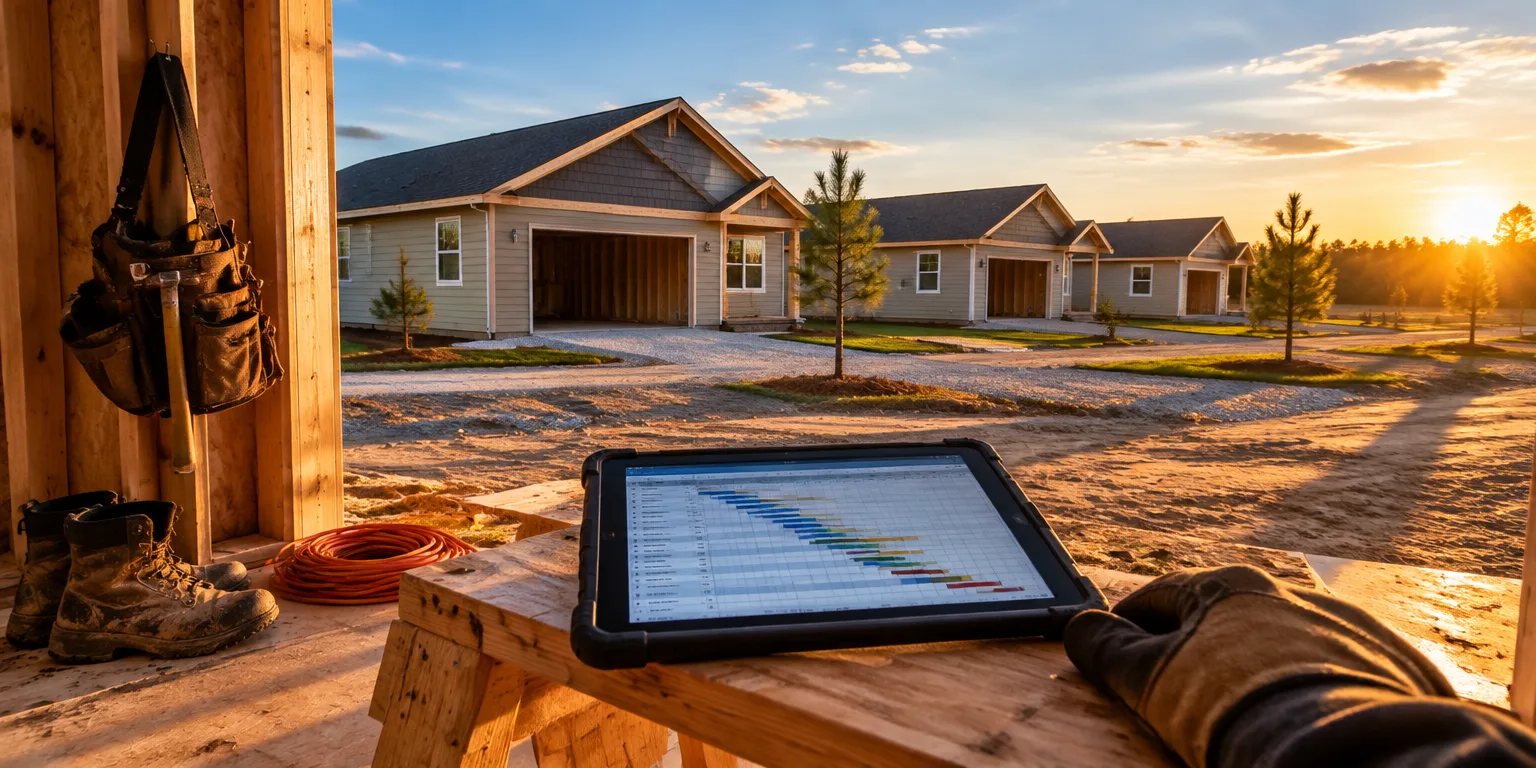
The system works from a single shared schedule. When a date or task is changed, the company and its trade partners, the outside contractors who do work like framing, plumbing, and electrical, see the exact same data at the same time. There is no overnight computer update that reconciles different versions once a day or once a week. It is real time, all day.
Bradberry bought the foundation of the system decades ago at a seminar in Denver, Colorado. At that meeting, Lee Evans, then dean of the building construction degree program at the University of Denver, was beginning work with a programming company to computerize the homebuilding process. Bradberry bought that software during the meeting. Bradberry said he implemented it over the next year, which gave him the ability to grow while keeping strict controls on costs.
The payoff is speed and predictability. Smith Douglas reports an average construction cycle of 59 days, with a goal of returning to 47 days. Because contractors carry much the same overhead whether they build a little or a lot, more houses in less time makes them more profitable, which helps Smith Douglas win favorable prices from them and keep its own costs down.
Questions people ask
Why own the software instead of just buying a standard product?
Owning it means Smith Douglas can change features itself without waiting for a vendor. Its in-house programmers can adjust schedules, reports, and controls to fit how its crews and contractors actually work. Most commercial construction software serves many builders, so it changes more slowly and in more general ways.
How does a one-second update actually save money?
It reduces idle trips and mistakes. If a foundation is delayed or an inspection moves, plumbers, electricians, and drywall crews can see the new date immediately and reassign workers. That keeps houses moving in sequence, shortens the building cycle, and spreads a contractor's fixed overhead over more jobs.
Is a 59-day build time really that fast?
Yes, by industry standards. Many U.S. production builders take four to six months from start to completion, and custom homes can take much longer. A cycle near 50 days means the builder ties up less money in each unfinished house and can deliver more homes from the same land and staff.