Thomas Edison Wanted Schools to Throw Out Books for Movie Projectors
He called books boring and said films would rivet kids, a pitch repeated for more than a century.
 The Vergecast · Schools are catching onto tech’s playbook
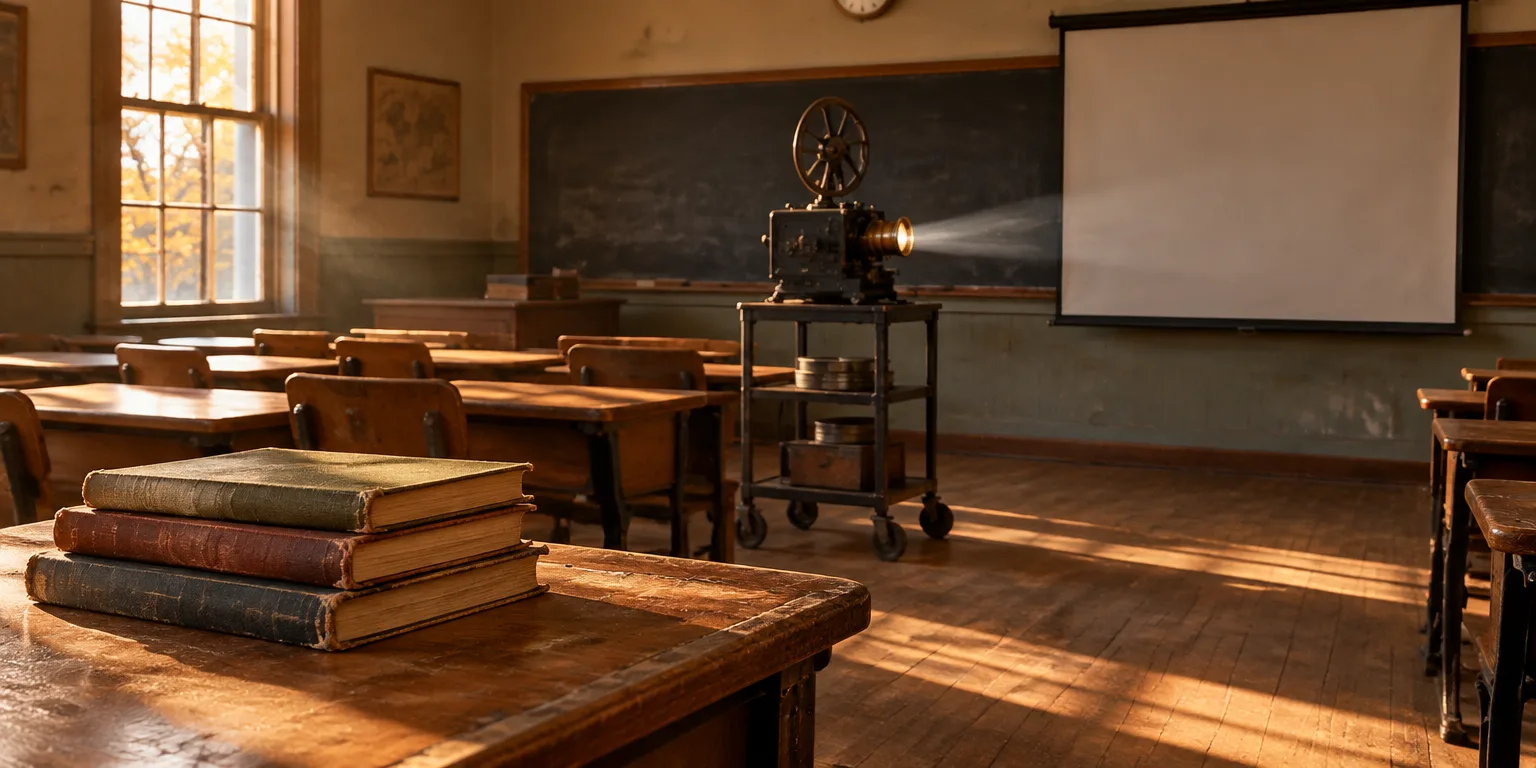
In 1912, inventor Thomas Edison argued that schools should throw out all their books and install his movie projector in every classroom.
Natasha Singer, a journalist who covers education and technology, who dug up the 1912 newspaper stories, says Edison thought books were boring and rote, and taught in boring ways. His machine, he insisted, would be super engaging, showing films about people, news, and animals that would rivet children and make them want to come to school.
What struck Singer was the pattern. For more than a century after Edison, she says, prominent tech innovators have made the same argument for transforming education, with only the product changed.
Questions people ask
Did schools actually throw out books and buy projectors?
No. Books remained the core of classroom instruction, and early film projectors were expensive, fragile, and hard for most districts to buy and maintain. Classroom films eventually found a supporting role, but they never replaced reading.
Did other inventors make the same kind of promise after Edison?
Yes. Educational radio in the 1920s, instructional television in the 1950s, and desktop computers in the 1980s were each promoted as ways to make learning more engaging and to transform schools. Like Edison's projector, they were widely adopted as supplements rather than substitutes for teachers and books.
Why does the same pitch keep coming back?
Moving pictures are attention grabbing, so the idea that a more engaging medium will automatically produce more learning feels intuitive. Technology companies also have a business reason to sell devices and software to schools, one of the largest buyers in the country.