Thousands of strangers who might hate each other made your pencil
No boss told them to work together, just the push and pull of prices.
 Free To Choose Network · Milton Friedman - I, Pencil
Milton Friedman, teaching the basic principles of the free market, held up an ordinary lead pencil. He told his audience that remarkable object contained a lesson about cooperation.
"Literally thousands of people cooperated to make this pencil," he said. "People who don't speak the same language, who practice different religions, who might hate one another if they ever met."
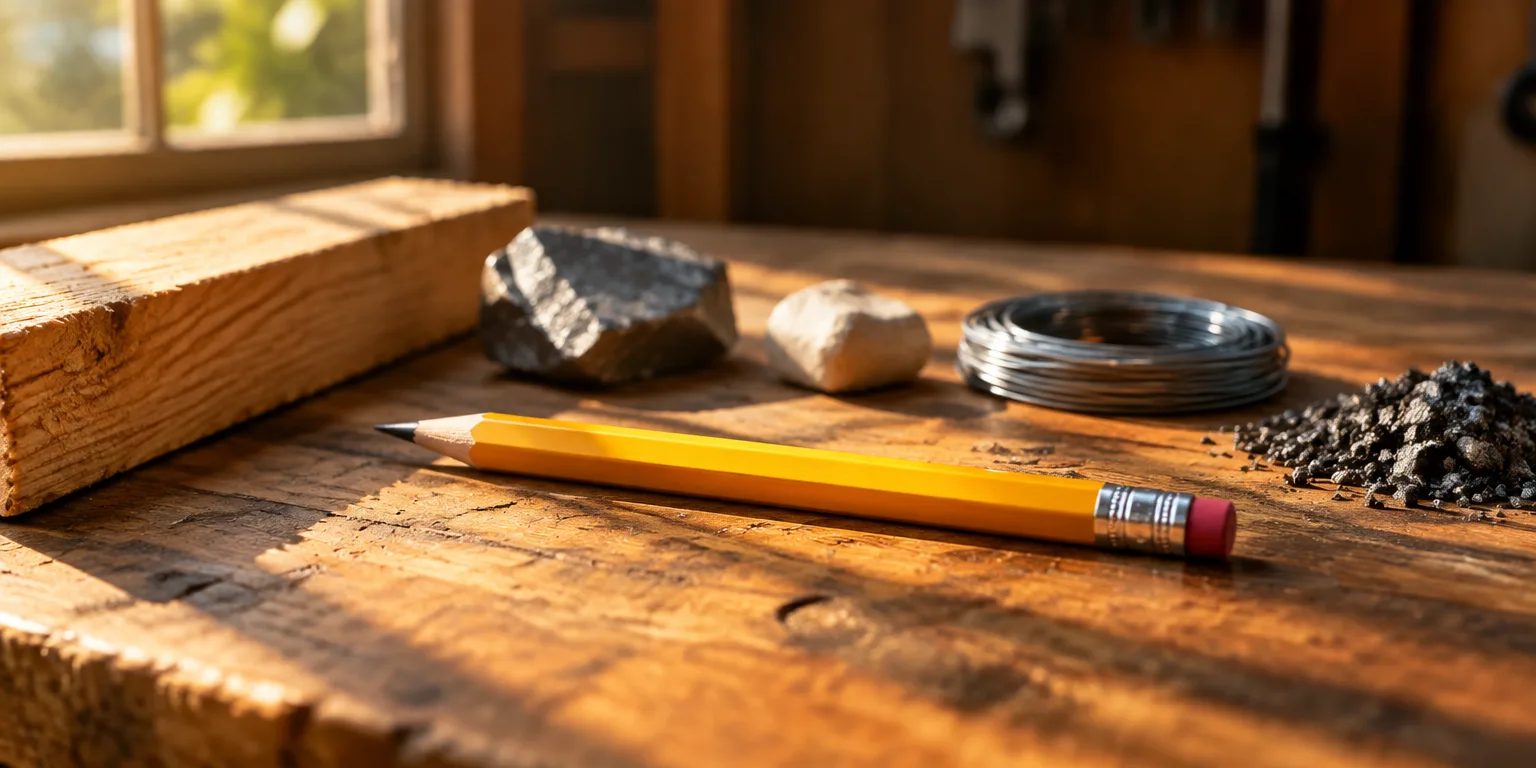
He meant it literally. The wood might have come from a tree cut in Washington state. Cutting that tree took a saw, making the saw took steel, and making the steel took iron ore. The black center, which is really compressed graphite, he thought came from mines in South America. The rubber for the eraser probably came from Malaya, now Malaysia, a rubber-growing region in Southeast Asia where the rubber tree does not naturally grow. He admitted he had no idea where the metal ferrule, the yellow paint, the black line paint, or the glue came from.
What brought all those strangers together? When a shopper buys the pencil, he said, "you are in effect trading a few minutes of your time for a few seconds of the time of all of those thousands of people."
There was no commissar, a Soviet-style official, issuing orders from a central office. It was, in his words, "the magic of the price system, the impersonal operation of prices that brought them together," to make a pencil the buyer could have for a trifling sum.
Questions people ask
Could one skilled person really not make a pencil from scratch?
In practice, no. Even a simple pencil needs milled cedar, mined graphite, rubber, metal, paint, and glue, plus the tools to cut, shape, and bind them. The original essay this talk draws on, Leonard Read's I, Pencil, makes the same point: the knowledge and work are spread across continents and generations.
How do prices get strangers to cooperate without talking to each other?
Prices act as signals. If wood or graphite becomes scarce, its price rises, which tells buyers to use less and tells producers they can profit by supplying more. Nobody needs to know why the price changed, only what it is, so coordination happens through buying and selling.
Where do pencils actually come from today?
Most wooden pencils still use incense cedar, largely from the northwestern United States, with graphite mined in China, India, and Brazil, and mixed with clay to make the core. Erasers are now usually synthetic rubber made from oil, and much final assembly happens in China, which makes more pencils than any other country.