Three founders learned what sells by hauling borrowed boxes of used clothes shop to shop
For four months they carried cartons across London, returning with thousands of dollars and hard lessons on pricing and timing before they built a website.
 Y Combinator · Startup Experts Discuss Doing Things That Don't Scale
The pitch inside a giant London clothing warehouse was almost embarrassingly simple. Three young founders with no website, no inventory, and just an idea for a used-clothing business would point to a carton packed with secondhand shirts and jackets and ask for it free for six hours.
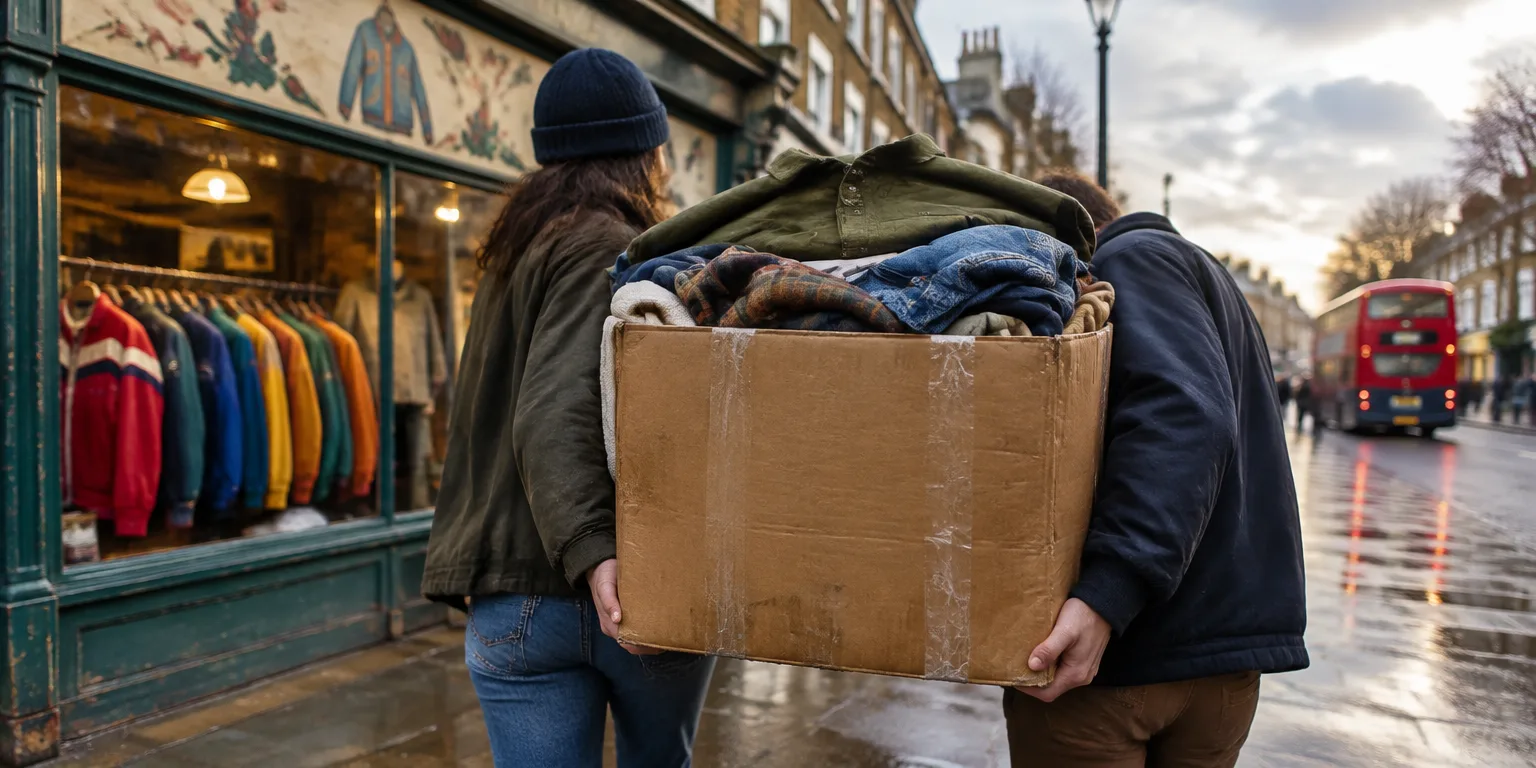
Give us this box, they said. In six hours we will bring back either all the clothes or a bunch of money. Then they hauled it across town and started knocking on the doors of secondhand shops.
This is how Fleek, a marketplace that connects bulk clothing wholesalers with the small shops that sell vintage and secondhand clothes to the public, got started. For about four months, the three founders acted as couriers, salesmen, and delivery trucks, and they learned the business by doing every unglamorous job themselves.
On a good run they would return to the wholesaler with about $6,000 from the shops that had bought pieces out of the box. Then they would borrow another box and do it again. Wholesalers get huge volumes of donated and collected clothing from around the world, and shop owners need a steady supply of pieces their customers will actually buy. Fleek wanted to match the two sides online, but first its founders had to understand the match.
Carrying the cartons taught them in a way a website never could. They learned what styles sold and what sat untouched, when shops wanted new stock to arrive, how to price a box, and how much demand changed when prices moved. Those are the basic facts a marketplace needs to work, and they are almost impossible to learn by building a web page and emailing strangers to try it.
After months of hand selling, the founders had become familiar and useful faces in the wholesale community, the guys who helped match buyers and sellers. But they could not keep carrying clothes forever.
To make money with healthy margins, buyers and sellers had to start moving the clothes themselves, booking their own trucks and staff and meeting through Fleek's site. The founders stopped being the delivery fleet and started building the business they had spent four months learning on foot.
Questions people ask
What does Fleek do now?
Fleek operates an online wholesale marketplace where vintage and secondhand clothing suppliers list bulk inventory and shop owners buy it for resale. The platform handles discovery, payments, and logistics coordination so the founders no longer have to move clothes themselves. It focuses on the business to business trade behind thrift and vintage retail.
Why is secondhand clothing sold through wholesalers?
Much donated or collected used clothing is sorted in bulk by weight and category, far more than any one store could process. Wholesalers buy those huge volumes, grade them by quality and style, and resell smaller lots to vintage shops and market sellers. Marketplaces like Fleek make that sorting and selling process easier to find and price.
Why would a wholesaler lend a free box to strangers?
The offer was low risk and potentially profitable. If the founders failed to sell anything, the clothes came back in six hours. If they succeeded, the wholesaler got cash without spending time finding buyers. After a few successful returns, the founders had earned trust.