Tie Your Idea to an Everyday Reminder and People Are More Likely to Share It
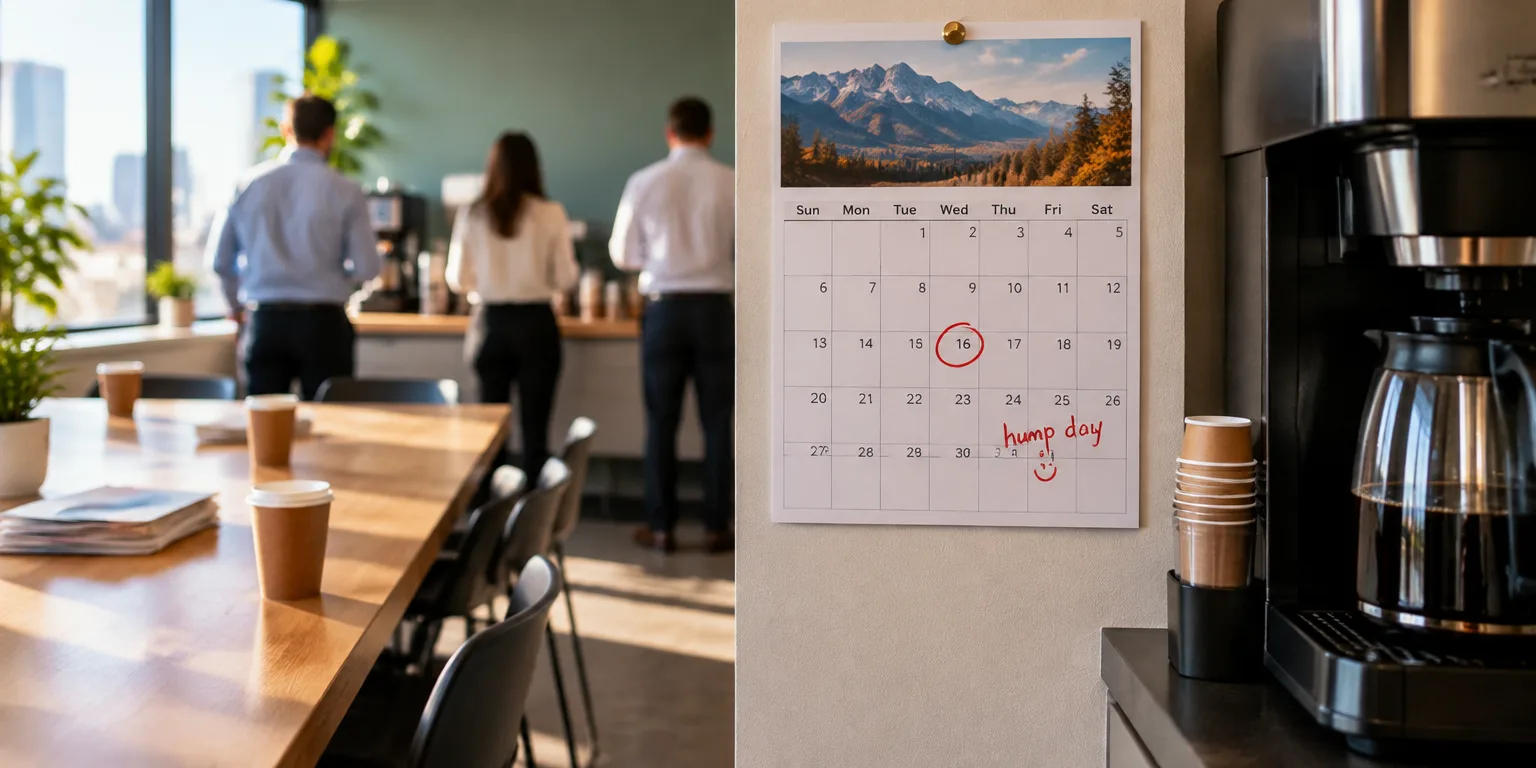
Geico's camel ad was only sort of funny, but in 2016 Wednesday reminded people of it every week.
 The James Altucher Show · Ep. 178 - Jonah Berger: The Hidden Forces Shaping (and Destroying) Your Life
A camel walks through an office, pestering workers with one question: what day is it? A woman finally answers, it is hump day, and the camel whoops with joy.
The ad, for Geico, was only sort of funny, says Jonah Berger, the author of Contagious, a book about why things spread. Yet it became one of the most shared pieces of content in its year.
The reason was timing. Shares stayed flat, then spiked, then fell, then spiked again. The spikes came every Wednesday.
Berger calls the mechanism a trigger, a cue in the environment that makes one thing remind us of another. Say peanut butter, and most people think jelly. Say rum, and they think Coke. No jelly or Coke has to be present.
Wednesday worked the same way for the camel. Wednesday is widely known as hump day, so each Wednesday acted like peanut butter to the ad's jelly. The idea was equally good every day, but it was top of mind on Wednesdays, and what is top of mind tends to be easiest to recall.
That points to a practical test for anyone trying to spread a message. Pick a trigger that will still be around, that people encounter often, and that lasts.
Berger contrasts that with newsjacking, or tying content to a big news event. At the time he spoke, many makers were tying content to the death of Muhammad Ali, and it was being shared a lot. The set of cues around the story was huge but temporary. When the event fades, he notes, so does the trigger.
Questions people ask
What exactly counts as a trigger?
A trigger is any sight, word, day, or routine that brings an idea to mind without effort. Peanut butter brings jelly to mind, and Wednesday brings the hump day camel to mind. Once the cue appears, the linked idea is top of mind and more likely to be passed on.
How do I pick a good trigger for my own idea?
Look for something your audience already encounters often, in ordinary life, and that will still be around next year. Daily routines, weekly days, weather, lunch, commuting, and common foods work well. Avoid rare, seasonal, or fading references unless you only need a short burst.
Does this work offline, or only on social media?
Yes. Berger estimates that most word of mouth happens face to face, not online. A trigger works because it pops up in conversation, so a Wednesday at the office water cooler can matter alongside a link in a feed.