Slow Exhales and Eye Movements Help the Body Fall Asleep
A Stanford neuroscientist describes long exhales and closed eye movements that help finish the three jobs before sleep.
 Invest Like the Best with Patrick O'Shaughnessy · Andrew Huberman - The Frontier of Neurotechnology - [Invest Like the Best, EP.494]
Neuroscientist Andrew Huberman, who leads a Stanford laboratory studying the brain, describes falling asleep as three jobs the body must finish. Thought has to quiet, pulse has to slow, and the sense of where the limbs sit has to fade.
The first job is difficult because the brain runs on guessing what comes next, so turning thoughts off goes against its main habit. For that, he describes a sensation practice that differs from meditation. Where meditation holds attention on one anchor, this practice keeps attention migrating across the surface of the body, the feet and legs, breathing, and ambient noise, bringing attention into the present moment.
For slowing the heart, he points to breathing through respiratory sinus arrhythmia, meaning the heart speeds up on the in-breath and slows on the out-breath. When stressed, people mostly breathe in actively and let the breath out passively. He says the sleep pattern flips that, with long exhales until the lungs feel empty followed by passive inhales. He does not prescribe a count, describing only complete out-breaths and effortless in-breaths.
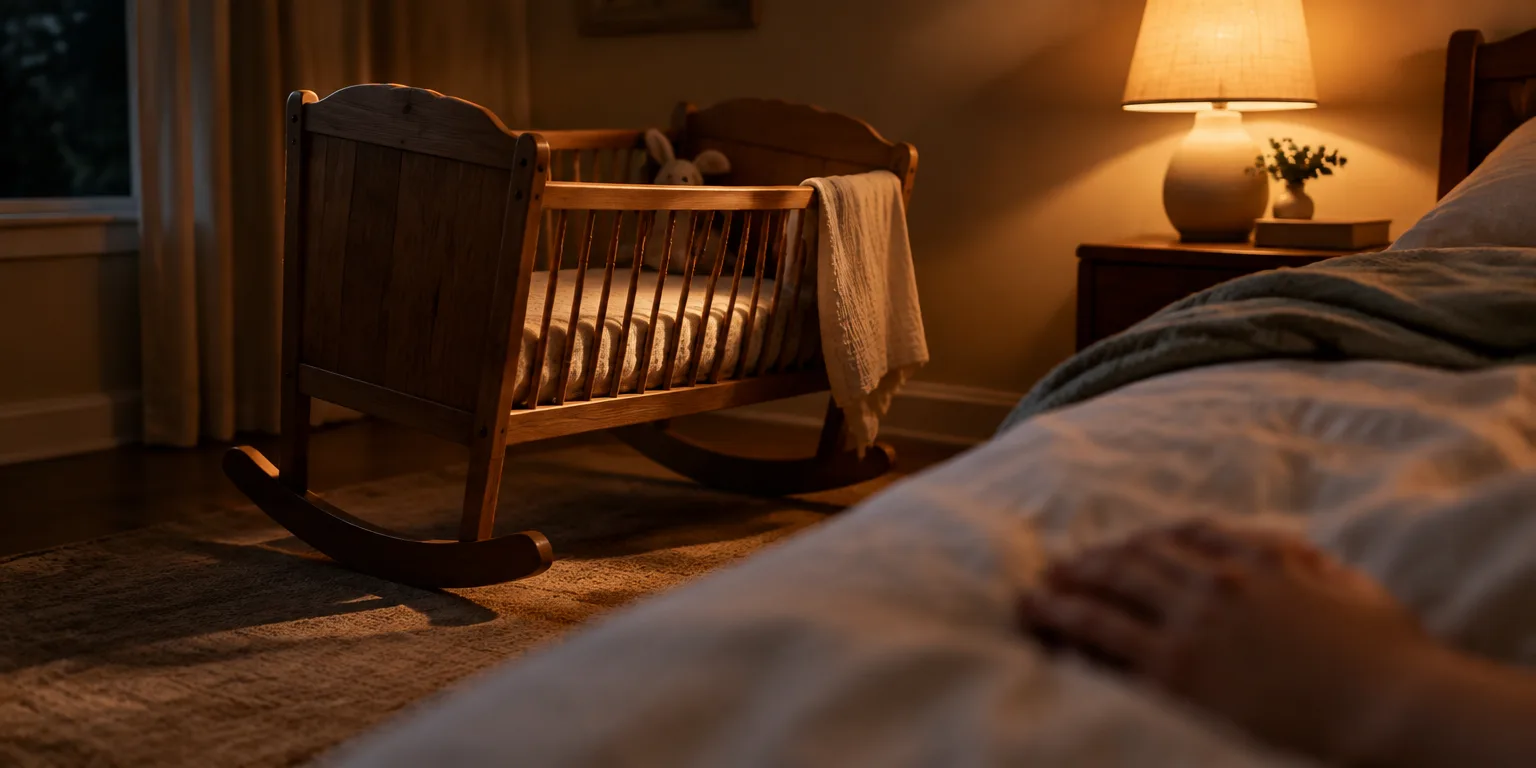
For forgetting limb position, he cites rocking research. Rocking makes the eyes make small corrective movements, which feed the body's balance system. That link, he says, helps explain why babies rocked at a certain pace and adults in beds built to rock at the same rate fell asleep quickly.
He describes mimicking the effect with closed eyes moved side to side, then up and down, or rolled in circles, paired with a long exhale. The idea is to confuse signals among eye-sensing cells, a brainstem relay, and the cerebellum, so body position fades. He concedes the method sounds strange for a neuroscientist to discuss publicly.
Questions people ask
Is this the same as meditation?
No. Huberman draws a contrast between the two. Meditation, as he describes it, holds attention on one anchor, while the sleep practice keeps attention moving across body sensations, breathing, and room sounds, bringing attention into the present moment.
How long are the exhales supposed to be?
Huberman does not give a fixed count. He describes an exhale that continues until the lungs feel empty, followed by an effortless, passive inhale.
Why would moving the eyes affect the sense of the arms and legs?
Rocking produces small corrective eye movements that feed the balance system. Huberman argues that deliberately moving the eyes under closed lids scrambles some of the same signaling between the eyes and balance centers, helping the sense of body position fade.