To get cited by AI, publish numbers no one else has
Unbounce turns proprietary conversion data and commissioned surveys into reports that journalists quote and AI answers repeat.
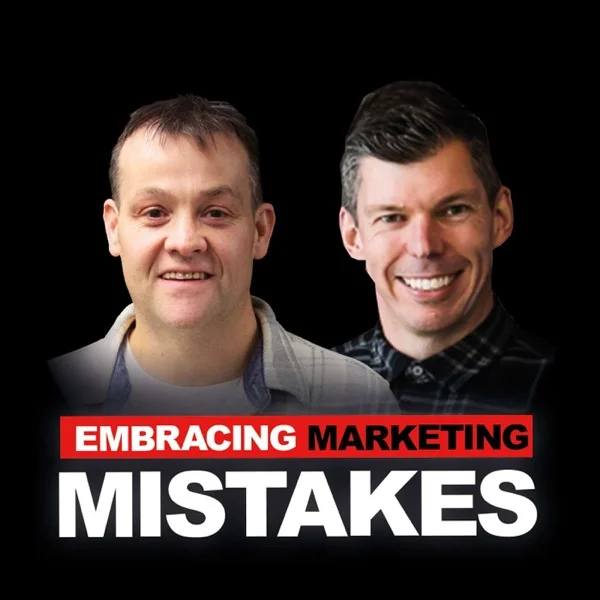 Embracing Marketing Mistakes · EP 129: Unbounce's VP Of Marketing Explains What Actually Wins AI Search Visibility Now
Val Riley, who leads marketing for Unbounce, a company that sells landing page software, publishes research nobody else can. Her method is commissioned and proprietary research, which gives AI systems something new to cite, gives journalists a reason to quote her, and gives her sales team a reason to ask for an email address.
GEO or AEO means getting listed in AI-generated answers, and Riley says those answers favor new, citable statistics. Journalists like the same thing. So one piece of research can be quoted by her in interviews and in the press, and that coverage is what AI systems pick up.
She uses two sources of data. The first kind is bought research. Her team dreams up a research question with an outside research firm, helps write the survey questions, lets the firm run the survey, then pulls out key talking points and turns them into a report. Her public relations firm pitches that report to the press, and the team posts it on its website and on LinkedIn, sometimes as a LinkedIn ad that previews the first three or four pages of the report and keeps the rest behind a form.
The second source is owned. Every couple of years, Unbounce publishes its Conversion Benchmark Report, which tells marketers what a good conversion rate looks like in about a dozen industries, including manufacturing, software, health care, and entertainment. It is research that she said nobody else can do because the company has about 2.5 billion conversions to draw on.
Will Ockenden, who was interviewing her, asked whether gating content keeps it from AI models, wondering aloud whether they can read gated content. Riley said, "I don't think of it as an either/or necessarily," seeing press coverage and the gated form as working together, not as a choice. She said not everybody wants to read the full 15-page report anyway. They want an article that digests it, while the power users will fill out the form.
For a reader who wants to try a version of this, Ockenden suggested the starting point. He told Riley to look at her own data before commissioning outside research, calling Unbounce's own customer data a gold mine of stories.
Questions people ask
What do GEO and AEO actually mean?
They describe efforts to appear in AI-generated answers rather than in classic blue-link results. GEO usually means generative engine optimization and AEO means answer engine optimization. In practice, both mean structuring clear facts, quotes, reviews, and statistics so chatbots and AI summaries cite you.
Does gating a report hurt its chances with AI?
A fully gated PDF is harder for search crawlers and chatbots to read, so it is less likely to be cited directly. The workaround is to leave citable traces outside the gate, such as a public summary, press articles, executive quotes, and LinkedIn posts. Those public mentions can be cited, and they send motivated readers to the form.
What if my company has no large dataset?
Start with a small survey of customers, newsletter readers, or an industry community, and ask five to ten specific questions about behavior or budgets. Aim for one surprising table or percentage that a journalist could put in a headline. Even a few hundred responses can work if the sample and method are disclosed clearly.