To get phones out of childhood, parents have to act together
Quitting alone leaves a child isolated, so Haidt urges parents to recruit two other families and push the local school together.
 TED · Are Smartphones Ruining Childhood? | Jonathan Haidt | TED
Jonathan Haidt, a social psychologist who studies how childhood changed after smartphones arrived, says parents cannot win this fight one house at a time. Any kid who quits alone feels left out, and any parent who says no alone leaves a child isolated.
That is the trap, as Haidt describes it. He says the great majority of experiments that ask individuals, mostly college students, to get off social media show a benefit, but the volunteers are also isolated. His prediction is that the benefit would be much larger if a whole school quit together, because kids would be more together rather than more alone. Every 13-year-old girl feels she must be on Instagram, Haidt says, "because every other 13-year-old girl is on Instagram."
His how-to answer is collective, and deliberately small at first. If your children are under about 12, find two other families among your children's friends and agree together to follow four norms. He lists them plainly: no smartphone until high school, at around age 14, no social media until age 16, phone-free schools, and, in Haidt's words, "far more independence, free-play and responsibility in the real world."
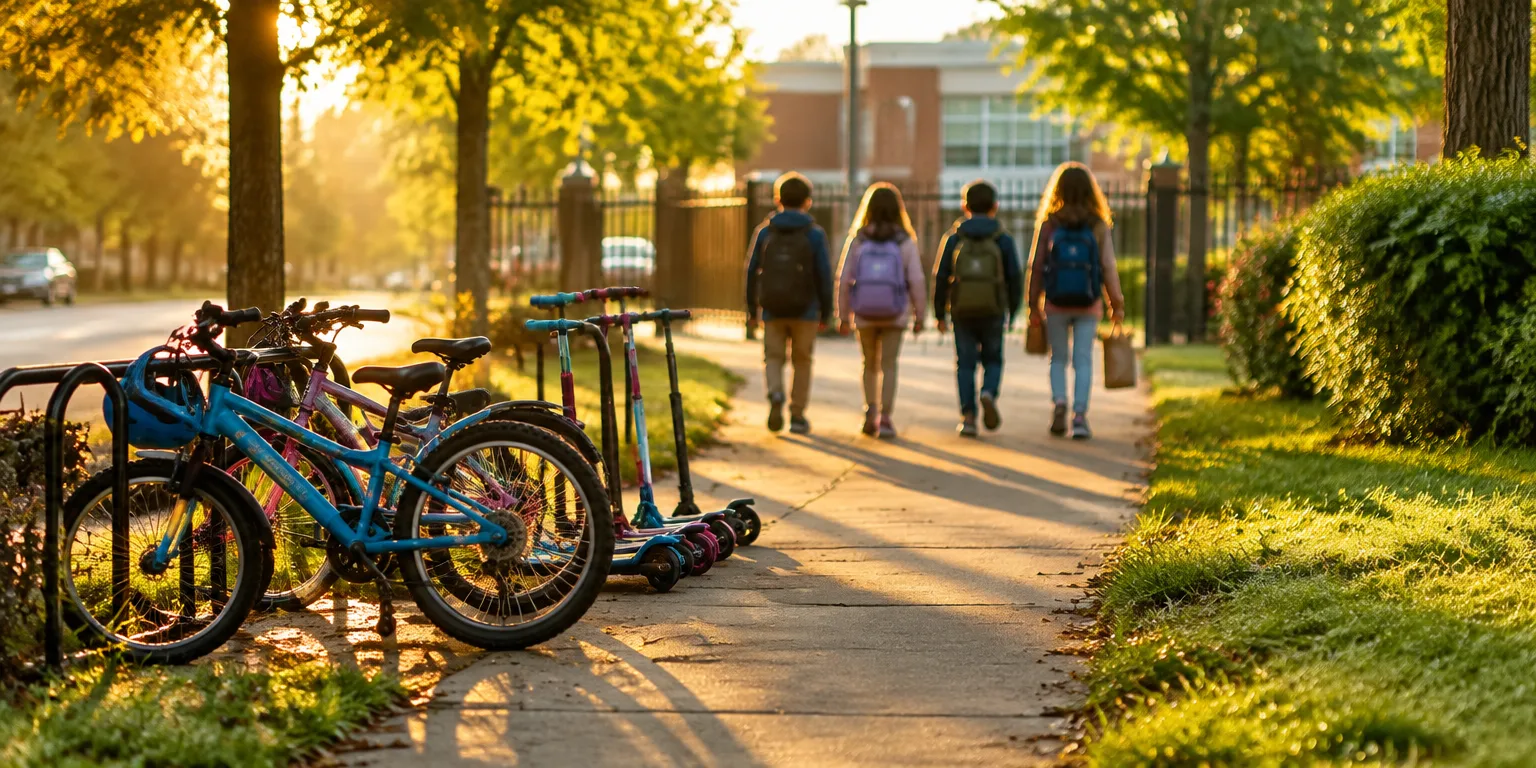
The school is the lever, because, as Haidt puts it, it is a place where families have community. Parents can jointly urge the school to adopt a phone-free policy.
The fourth norm is the hardest, Haidt says, because it requires adults to change. If you take away hours of daily screen time, you have to give children an exciting childhood in return, with unsupervised time, errands, outdoor play, and real responsibility. Start with a text to two parents you trust: are you with me on the four norms.
Questions people ask
What can a child use instead of a smartphone before age 14?
Haidt says his family learned this over time. He gave his son an old iPhone in fourth grade, then later concluded they should have given a phone watch or basic phone. With his younger daughter, he says, he gave her a Gizmo Watch in third grade and could send her out to the park or to get bagels, while holding the line against social media until high school.
What does phone-free school actually look like?
In Haidt's account, it means the school as a whole adopts a phone-free policy, pushed for by parents acting together. The point is that no single family has to enforce its own separate rule.
How do you give a child more independence without feeling unsafe?
Start very small and local, like walking to school with friends, running a nearby errand, or cooking part of dinner. Many parents use a free program called the Let Grow Experience, where kids choose new independent tasks and log them over several months. Confidence tends to grow quickly once children prove to themselves they can handle it.