To make Meta ads work, spend as much on videos as on ads
After an update called Andromeda, the video itself finds the customer, and it takes hundreds of new versions a month to keep growing.
 The Twenty Minute VC (20VC): Venture Capital | Startup Funding | The Pitch · 20Growth: How to Build a $100M Growth Engine: Lessons from Wispr Flow and Superhuman | Why You Should Do Paid Ads Today and How To Do Them | How to Build the Best Referral Programs and How to Crush UGC with Matt Swulinski
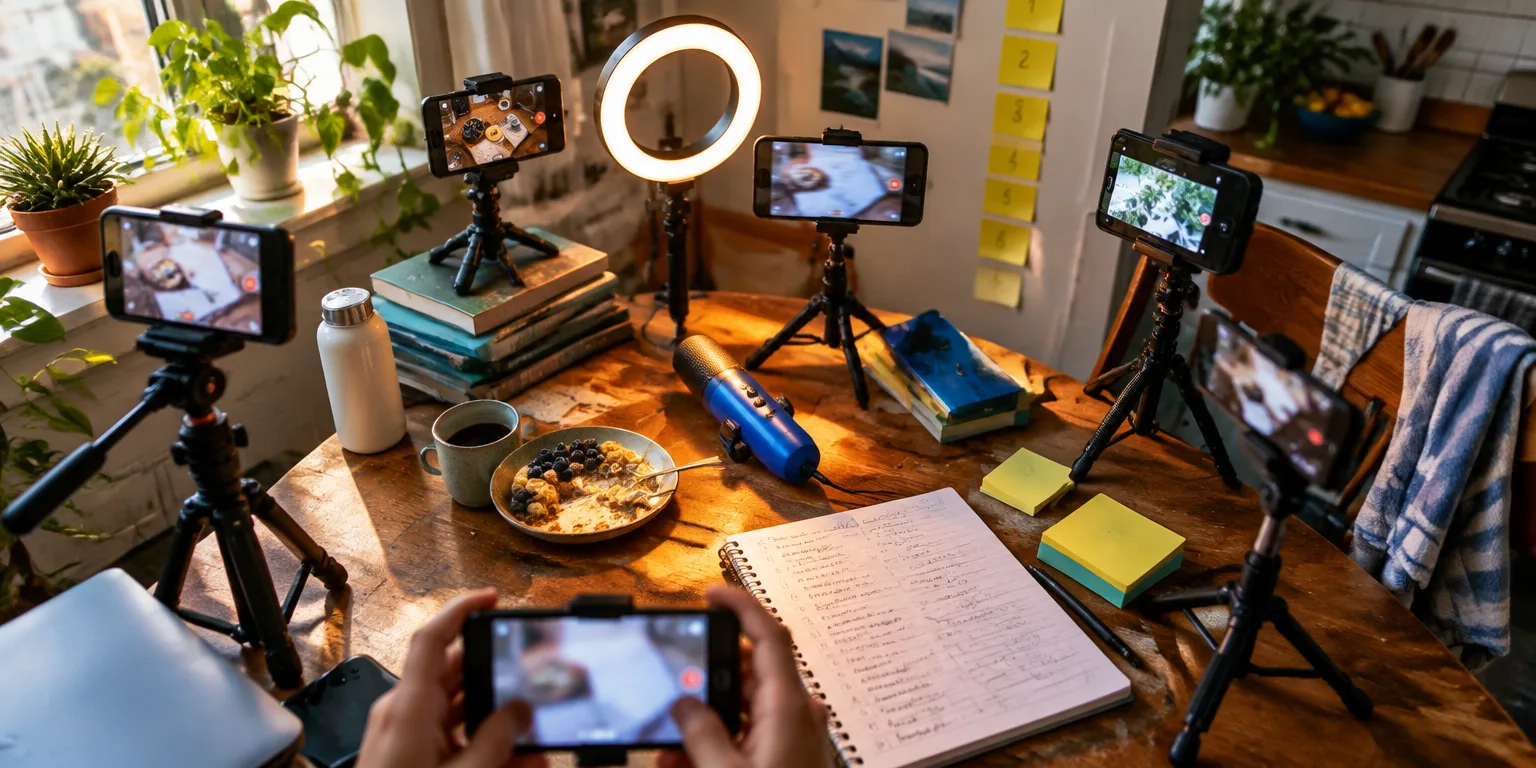
Matt Swulinski, the growth lead at the voice dictation app Wispr Flow and the AI assistant Victor, says he learned to treat advertising videos as the growth engine itself. At both companies, he says, scale on Meta, the owner of Facebook and Instagram, came only from making hundreds of homemade style videos a month.
The reason is a change to Meta's ad system called Andromeda. Swulinski says Meta stopped relying on the audience settings advertisers picked and started analyzing the video itself to decide who should see it. In his telling, "the creative is the targeting." In his account, that change took away the old work of tinkering with campaign settings and made the job creative strategy.
His rule is blunt, with a qualifier. Swulinski says that "not at scale, but in the beginning," you should spend as much on creative as on ad spend. For a $100,000 monthly Meta budget, he says a company likely needs 400 to 500 new videos a month, or growth plateaus and competitors win.
The way to make that many is to borrow from online stores. At Victor, Swulinski built a creator program that pays ordinary video makers a percentage of ad spend. Once a creator learns the product, that person makes several videos every week. With a couple hundred creators, plus five outside agencies and an in-house team, the numbers add up. The videos never appear on the creator's own account. They run as the company's ads.
What works is variety, not polish. About 80 percent of revenue comes from 20 percent of the videos, and he says Meta's system pours spending into those winners. He says the best creative is what he calls pattern disruption, rough and messy openings that make a person stop scrolling, like a shaky camera that looks like a mistake.
His test is whether the whole set looks different to the system, with different ages, genders, settings, and hooks. If you only copy what worked, he says, results will fall sharply.
Questions people ask
What is UGC, and why does it work for ads?
UGC means user-generated content, videos that look like they were shot by a regular customer on a phone. It works because it blends into a social feed and feels like a recommendation, not a commercial, so people are less likely to scroll past it.
How can a small startup afford 400 videos a month?
A startup can hire a few freelancers and small agencies to test which stories bring customers cheaply, then add creators paid as a share of ad spend. That way creative costs grow only when the ads are working.
Why not just use AI to generate all those videos?
AI is useful for making variations, like swapping a background or outfit. Fully synthetic spokespeople still look slightly off, though, and viewers tend to skip them.