To Predict What Someone Will Do, Ask What They Are Paid For
A $300,000 house sale shows why an agent pushes for a quick deal, and why rewards explain behavior better than character.
 GoldenKey · Freakonomics Asks: Does your real estate agent have your best interest in mind?
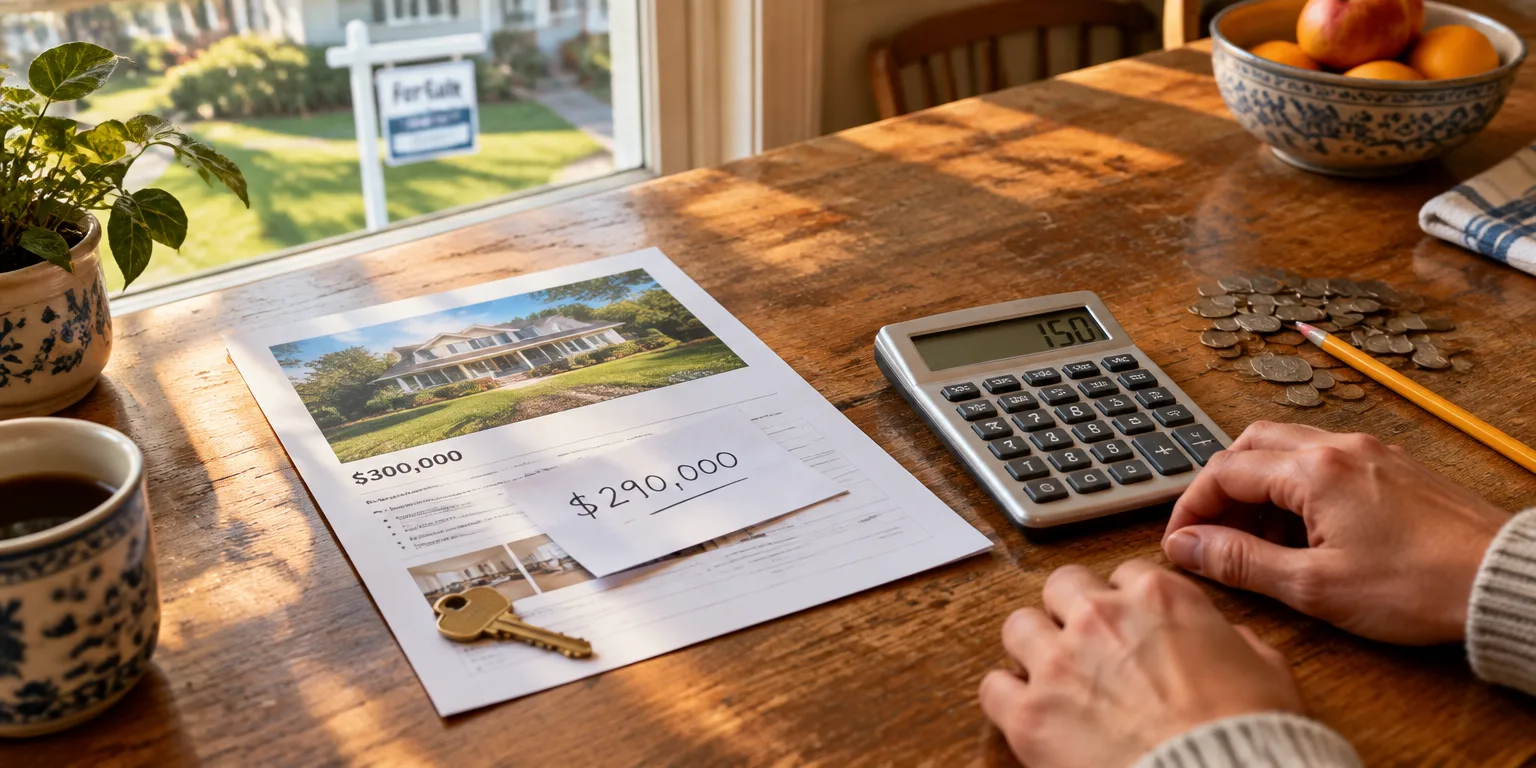
An economist who studies home sales sets up a simple choice. You list your house for $300,000 and an offer for $290,000 arrives today. Should you take it, or wait a week and hold out for the full price?
In his telling, your agent does not hesitate. Take it now, he says, because "the bird in the hand is worth two in the bush and the market is really starting to soften up." He insists your interests are aligned, because he earns a commission on the sale and wants the highest price too.
Then the economist delivers the line his example was building toward: "It's not that real estate agents are bad, it's just that they're human beings and human beings respond to incentives."
What he means, he argues, is a problem of arithmetic, not character. If you wait and gain an extra $10,000, a standard 6 percent commission is $600. Half goes to the buyer's agent, leaving $300, and half of that goes to his own agency, leaving him with about $150. For that $150, he would have to work an extra week, pay for more marketing, and put off chasing a full commission on another house. So he has a strong reason to call the early offer great and urge you to take it.
The sales data, he says, show what happens when the reward changes. When agents sell their own homes, they keep them listed about 10 days longer than comparable homes they sell for clients, and they get higher prices. When the extra $10,000 goes into their own pocket, waiting suddenly seems worth it.
So he argues that "if you can figure out what people's incentives are you have a good chance of guessing how they're going to behave."
Questions people ask
How do real estate commissions normally work?
Usually the seller agrees to pay around 5 to 6 percent of the sale price, which is then split between the agent who lists the home and the agent who brings the buyer. Each agent then shares part of that with their brokerage. That is why an individual agent keeps only a small slice, often around 1.5 percent, of any extra dollars gained by holding out.
Could I fix the problem by paying my agent a flat fee?
It can help, but it creates a different trade-off. A flat fee or hourly rate removes the rush to close, yet it also removes the reward for getting a higher price. Some sellers negotiate a bonus for beating a target price, which ties the agent's pay more directly to the result.
Do agents really get higher prices when they sell their own homes?
Yes, in studies of U.S. home sales economists have found that agent-owned homes sell for more and sit longer on the market. The gap is often reported at around 3 to 4 percent. The pattern is widely cited as evidence that information and incentives, not effort alone, shape sale prices.