To stop earthquakes, Texas moved oil wastewater higher underground, and it started erupting
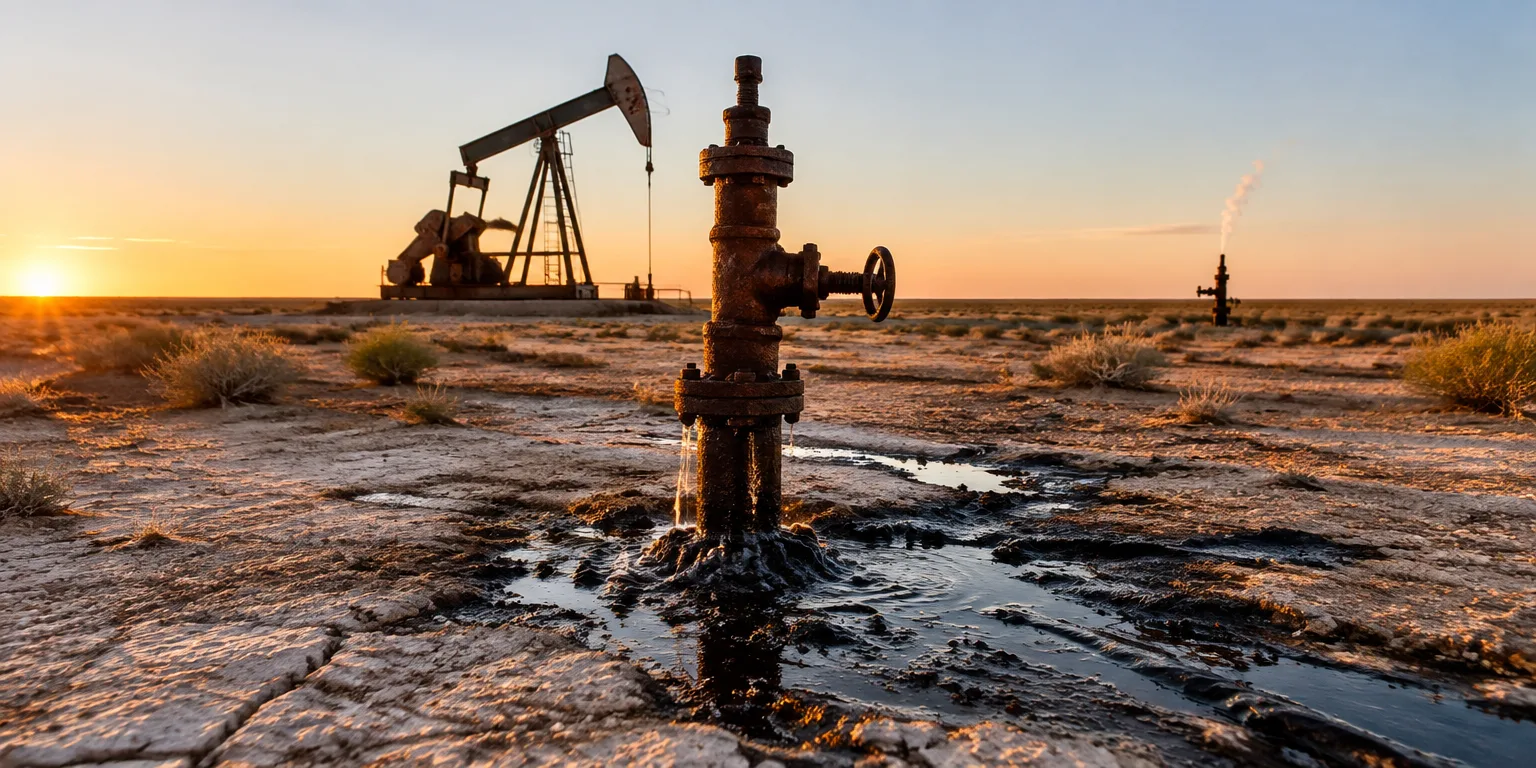
Shallow rock could not hold the extra toxic salty water, so pressure found old wells and pushed oil and water to the surface.
 Bloomberg Originals · The Looming Disaster Under America’s Biggest Oil Field
The earthquakes rattling the Permian Basin, a large oil-producing region in West Texas, were not coming directly from fracking. They were coming from what happened afterward, when operators pumped the toxic water that surfaces with oil back underground into deep rock. To ease the shaking, an operator response group and the Texas Railroad Commission, the state oil and gas regulator, shifted the injection of wastewater from deep wells to shallow ones. That relieved pressure far down, but it built pressure up high, until water began leaking and erupting as geysers.
Lawyer Sarah Stogner, who went to the basin and saw the leaks, coined the term zombie wells for the leakers. She says "they are supposed to be dead," but they rise again because injected water keeps flowing. She points to the steel pipe that is supposed to shield fresh water from oil and gas, with oil and gas leaking outside of it. Crews are digging up wells that ooze black, stinky crude that should stay 2,400 feet down.
The leaks from these zombie wells, Stogner says, come from pumping too much water underground from newer horizontal wells. The extra water is pushing old oil and salty water up through old wells.
She describes the Permian Basin as a giant cake stabbed with so many straws that it is fragile. Operators take oil, and its dirty icing, out of one layer and pump that water into a shallower layer that never held that much fluid. That layer has been poked full of holes by decades of drilling, and pressure finds the path of least resistance. In one place the cake collapses, in another it bulges, and the icing leaks between layers and comes up at the surface.
That is why shallow injection did not solve the wastewater problem. It moved it closer to people, land, and fresh water, and gave it old wells to travel through.
Questions people ask
Why does pumping wastewater underground cause earthquakes?
Deep injection raises fluid pressure in rock pores and can lubricate old faults. When pressure reduces the friction holding a fault shut, the rock can slip and release energy as an earthquake. That is why some regulators have limited deep injection in quake-prone areas.
Why can't crews just plug a zombie well and be done?
Stogner says "you have to kill the source, which is the produced water." A cement plug can seal one well, but it does not stop the pressure pushing water upward. That pressure will find another weak well or gap around steel pipe, so the fix has to cut off the flow of injected water.
What else can be done with this water besides injecting it?
The main alternative is treating and reusing it for fracking, industrial cooling, or, after heavy desalination, agriculture and construction. The water is extremely salty and contains oil, metals, and naturally occurring radioactive material, so treatment is expensive and energy intensive. Pilot projects exist, but injection remains far cheaper at scale.