Toddlers May Learn So Fast Because They Work Like Scientists
Her lab finds children can use patterns of evidence to trace causes, and sometimes find unlikely answers adults miss.
 The Brainwaves Video Anthology · Alison Gopnik - The Amazing Minds of Very Young Children
Alison Gopnik calls very young children "the best learners in the universe," and most of them cannot yet tie their shoes. Gopnik, a psychology professor at the University of California, Berkeley who studies how young minds learn, says we do not really know how they pick up so much in such a short time, but researchers are starting to get some clues.
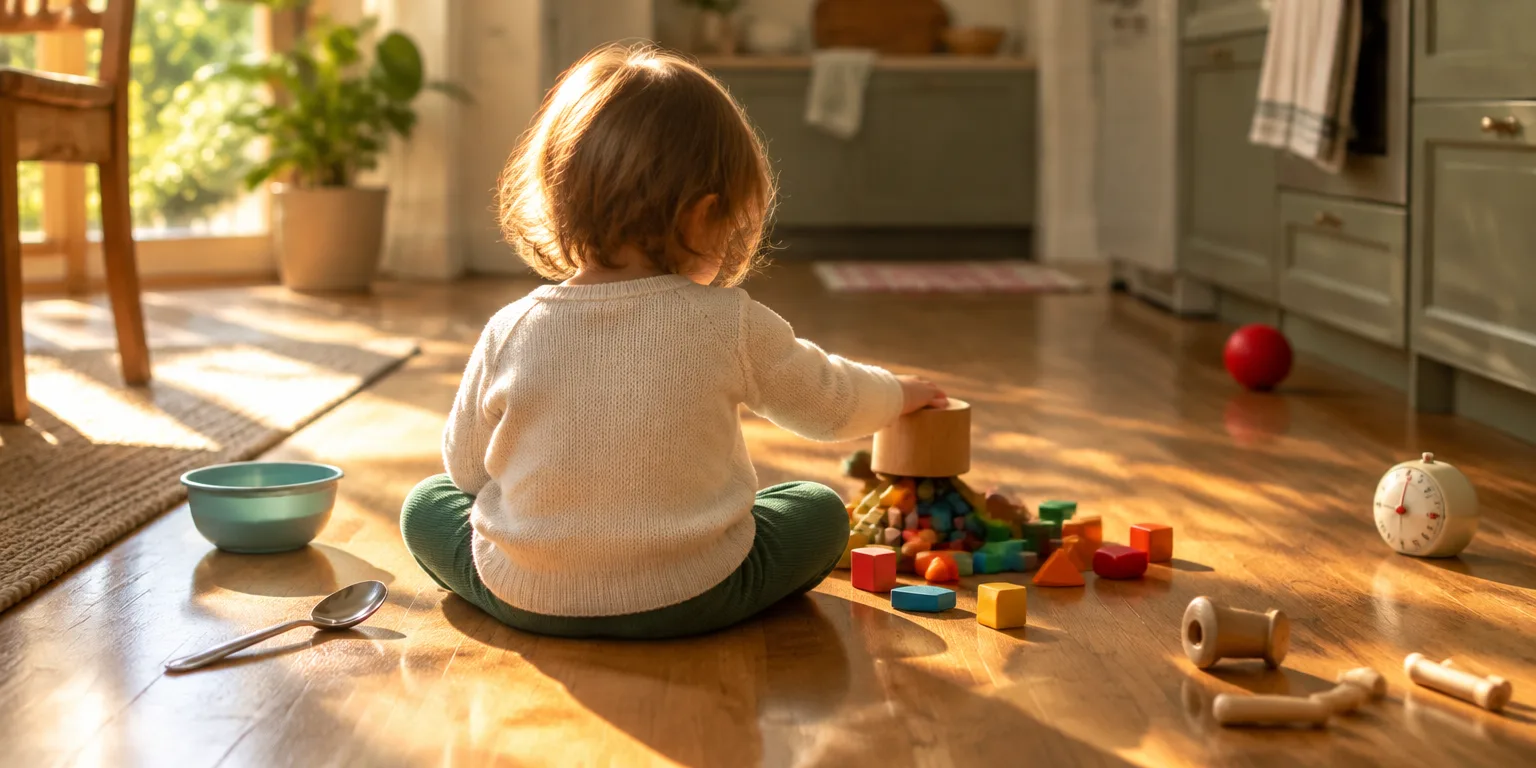
One idea that may help explain it, she says, is that children use many of the same methods that grown-up researchers use. They build working ideas about how ordinary things work, covering objects, people, and words, and then they test those ideas through everyday exploration and play.
That testing is what adults call getting into everything, in Gopnik's phrase. She says that in the course of that exploration and play, children work out which actions and objects bring about which effects.
In work in her lab, she says, children took fairly complicated patterns of evidence about what happened together and used those patterns to sort out causes. Gopnik calls that ability to sort out causes from data "one of the really basic deep fundamental pillars of science."
In more recent work, she says, children in some cases did better than adults. When four-year-olds and college students faced a problem with an unusual or unlikely answer, the children were more likely to reach that unlikely answer.
One idea that ties this together is Gopnik's working hypothesis that children may be built to work this way. They propose an idea about how things work, try it out by playing with the world, and then change the idea based on what happens next.
Questions people ask
If children are little scientists, why do they make so many mistakes?
Making mistakes is part of the method. Scientists also propose wrong theories, run tests, and revise them, and children revise quickly because they try so many things. Errors tell a child which idea does not fit, so the next guess gets closer.
Can parents help children learn this way?
Yes, mainly by providing a safe, rich place to explore and responding with attention. Research on play finds that children learn more when they can try things themselves, watch what happens, and get language and feedback from caring adults, rather than only being told answers.
Do children eventually stop learning like scientists?
No, but the balance shifts. Adults still test ideas and learn from evidence, yet they rely more on what already worked and have less time for open exploration. Childhood is unusually protected and playful, which leaves more room to try unlikely ideas.