Toy Robots Became Drones That Deliver Blood in Africa
One investor passed on the drones as too strange to explain, while another had already bet on the founder when the product was toys.
 This Week in Startups · Founders Are Now Sending VCs a File Written for AI
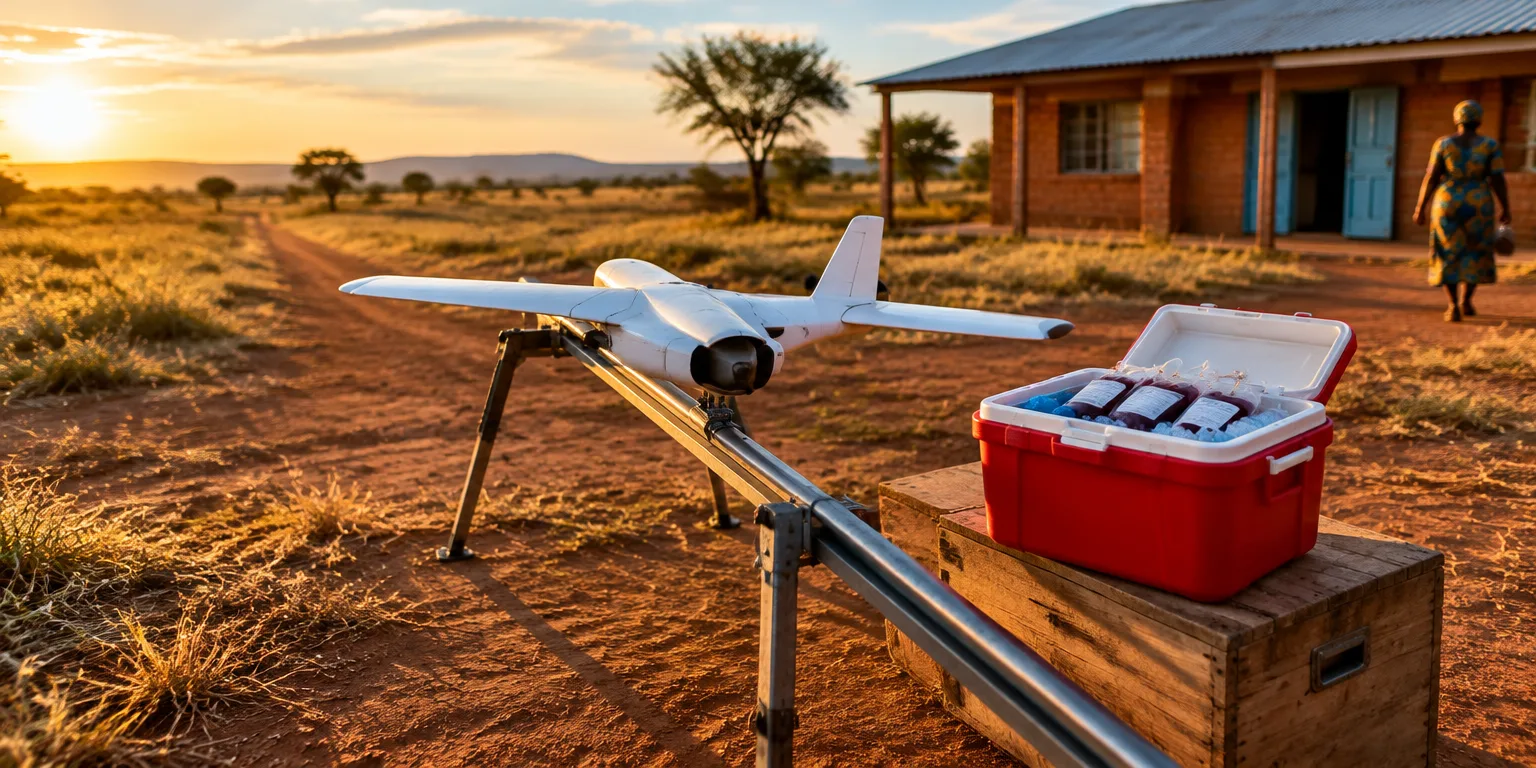
The founder of Zipline, Keller, had a pitch that sounded improbable. He told Jason Calacanis, an early-stage investor, that he planned to launch small airplane-like drones by catapult to carry blood to far-off clinics.
Calacanis said no. Hardware is hard, he said, the technology does not work, and he did not understand the customer base. "We invest in American companies operating in America," Calacanis said, adding he would love to donate to the cause, but it did not feel like a venture investment.
That rejection looks different beside what another investor did even earlier. The other firm's first check went in when Zipline was still making toy robots for children, not drones.
Ben Lerer, a managing partner at an early-stage venture firm, made that early bet. Lerer said his firm invested when Zipline was "a company building robots, toy robots for kids, pre-becoming a fixed-wing blood delivery platform in Africa."
Lerer stayed with the company. His firm later invested in its two most recent rounds.
Calacanis said Lerer had the courage of his conviction. Calacanis recalled thinking, in effect, about how he would explain this hardware bet, in a distant market, to his LPs, the institutions and individuals who supply money to his fund.
Lerer said the bet was really on the person. The founder was always very special, he said. Like many early-stage investors, he said his firm is wrong more often than it is right, but after years of meetings you develop an instinct for spotting an unusual founder who might do big things.
Calacanis drew the blunt lesson. It is "better to be dumb and lucky than to actually try to figure out what great founders are capable of," he said. At the earliest stage, he said, investors are betting on a team, not a business plan.
Questions people ask
What does Zipline do today?
Zipline now operates large-scale drone delivery networks for medical supplies, food, and retail goods. In Africa it works with governments and health systems to fly blood, vaccines, and medicine to clinics and hospitals, and it has since expanded to the United States and other markets.
Why deliver blood by drone?
Blood has a short shelf life and emergencies need specific types quickly. A clinic that cannot store every type can request it by drone instead of keeping a large inventory or driving for hours, which matters where roads are slow or unreliable.
What is a startup pivot?
A pivot means a startup makes a major change in product, customers, or business model while keeping the team and some of what it learned. Investors often treat a pivot as normal, because the first idea rarely survives contact with customers, costs, and technology limits.