Toys and theme parks don't hurt the movie, they keep fans thinking about it
Keep the movie scarce and excellent, then saturate the world everywhere else.
 Acquired · Disney's Flywheel: The Business Model Nobody Can Copy
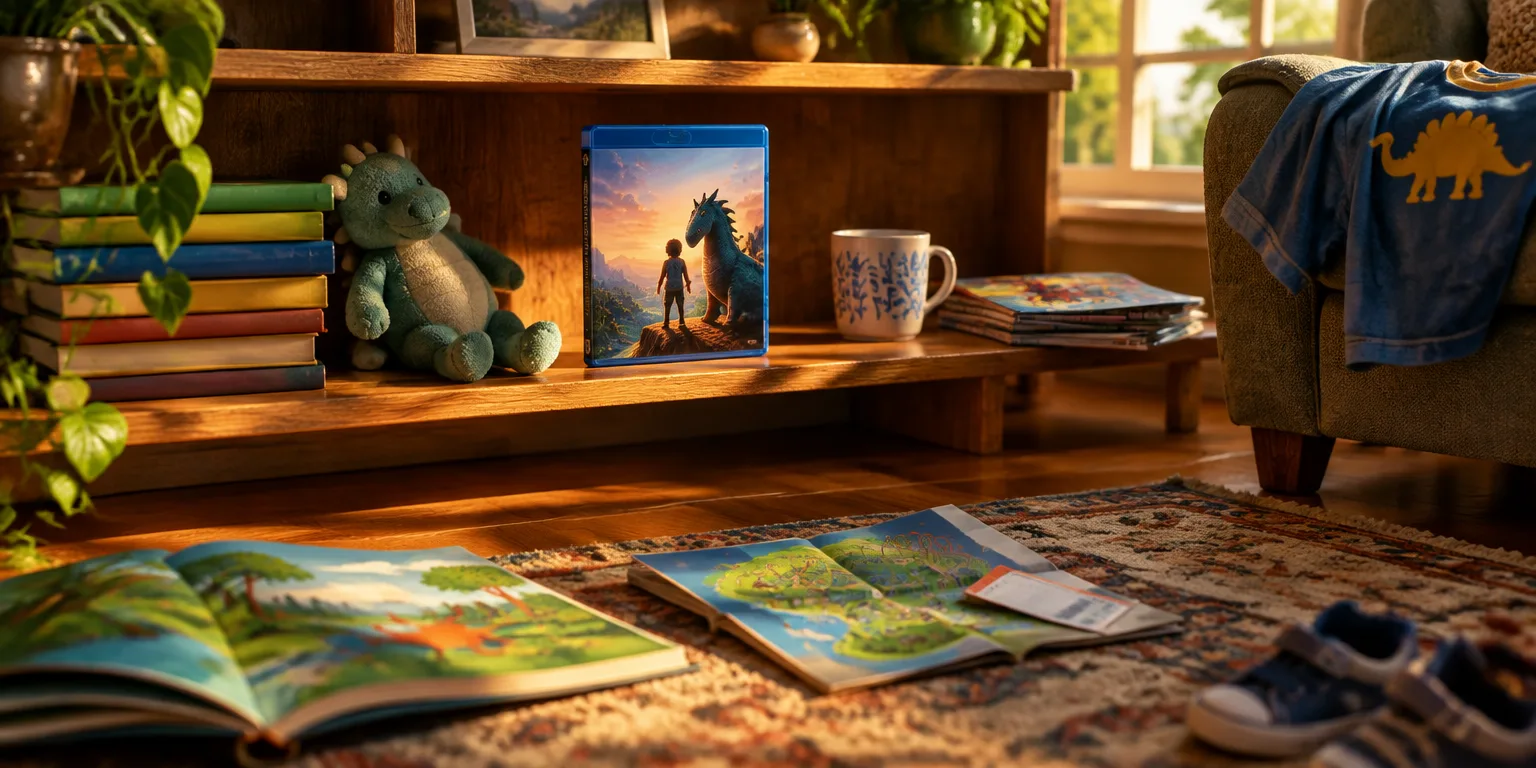
Merchandise, books, fan clubs, and theme parks built around a movie do not steal from the movie. One speaker tracing Disney's thinking argues they keep fans thinking about it.
That is the discovery behind what Disney draws as a flywheel, a circle in which each part feeds the next. It starts with a story or character people genuinely love, shared so widely that it becomes a shared memory. Then that affection spreads into toys, comics, books, magazines, clubs, and parks.
The trick is restraint where it matters. Putting out sequels on an ever faster schedule tires people out, but constant reminders elsewhere do not wear out the original. Disney keeps the character scarce in its main medium, with a high bar for quality, while covering the earth in secondary ones.
One speaker who had just returned from Disneyland described a week of Toy Story at his house. As that speaker put it, it was "a refresher on your fandom."
Questions people ask
Why don't sequels refresh fandom the same way toys do?
A sequel asks for the same kind of attention as the original, two hours in a theater, and invites direct comparison. A toy, T-shirt, or theme park ride asks for a different kind of attention, play or a day out, so it reminds people of the story without wearing it out.
What counts as the main medium versus a secondary one?
The main medium is wherever the character was born and is best loved, usually the movie. Secondary mediums are everything that extends that love without retelling it the same way, including dolls, books, comics, magazines, clubs, and parks.