Trash can become gasoline and jet fuel with century-old chemistry
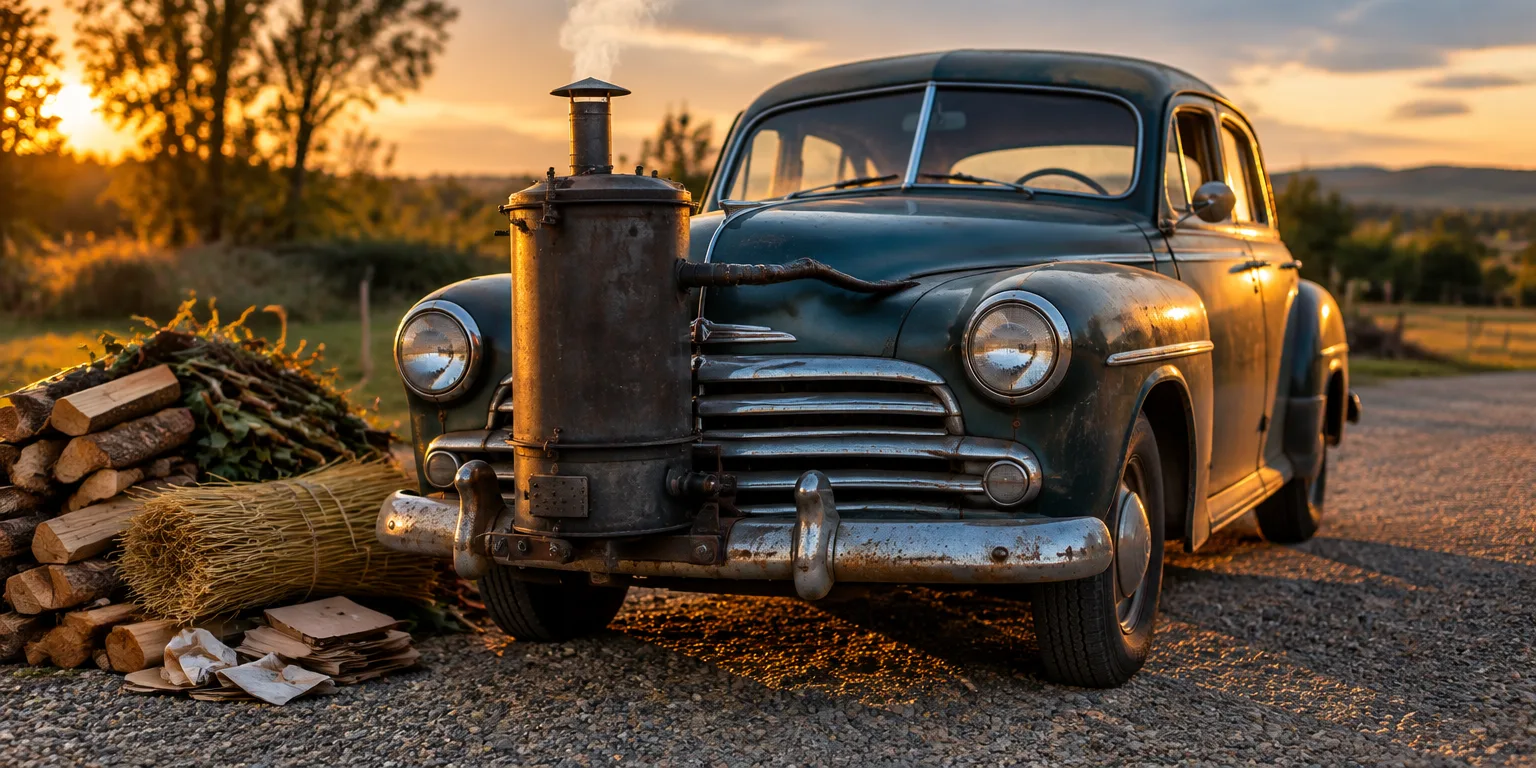
It starts with a World War II trick for running cars on wood, and ends with diesel and jet fuel.
 It's About Time! · "The Rocket Man"
Trash can become gasoline, diesel, and jet fuel with chemistry that is already a century old.
That is the idea gripping Philip Panicker, an aerospace engineer with a doctorate in propulsion who taught engineering at NYU Abu Dhabi. He argues that nature has no such thing as waste, because what one organism discards is used by others, and people can learn to live the same way by turning garbage into energy and raw materials.
The usual way to use plant waste is to burn it. Straw fed into a biomass furnace burns to produce heat for electricity, along with smoke and soot. Chris says that soot is full of chemicals and nutrients that can help the next harvest by enriching the soil.
Gasification takes a different route. Instead of fully burning the biomass, it uses a partial burn to heat it until it gives off synthesis gas, known as syngas, without making smoke. That gas can directly run an engine. It is not new. When liquid fuel ran short during World War II, drivers fitted buses and cars with gasifiers that let them run on wood scraps and other plant waste.
A second old step turns that gas into liquid fuel. The Fischer-Tropsch process, about 100 years old, takes syngas through multiple stages to make gasoline, diesel, and jet fuel, as well as products such as paraffins and plastics. Panicker says the same basic combination of gasification plus Fischer-Tropsch is already used to make biofuels.
Panicker says gasification can be boosted with plasma technology to handle hydrocarbon waste such as plastics, paper, fabrics, tires, and used petroleum products like car lubricants. He says that kind of waste tends to contain nutrients and other chemicals and elements that can be extracted and put back into use.
Questions people ask
Is this cleaner than just burning trash?
Panicker's claim in the interview is narrower: gasification makes syngas without smoke. He says the smoke from burning is wasted and can cause pollution. As general background, engineers describe gasifiers as starving waste of oxygen so it breaks down into carbon monoxide and hydrogen, which is then cleaned before use, rather than burning fully into smoke and ash.
If the chemistry is 100 years old, why isn't every city doing it?
As general background, cost and sorting are obstacles. Oil has long been cheaper than collecting, sorting, and cleaning mixed trash, and gasifiers tend to work best on consistent feedstock. Plasma systems and stricter landfill rules are changing that math, so waste-to-fuel plants tend to make more sense where disposal is costly or fuel is expensive.