Trying Harder Could Not Save Her Mother From the Ocean
The psychologist who championed perseverance found in open water that effort alone could not beat a bad situation.
 Armchair Expert with Dax Shepard · Angela Duckworth #3 (on bringing out your best)
The wind was whipping and the current was heaving 45 minutes by boat off Miami when Angela Duckworth, the psychologist known for studying grit, realized she had made the worst decision of her life.
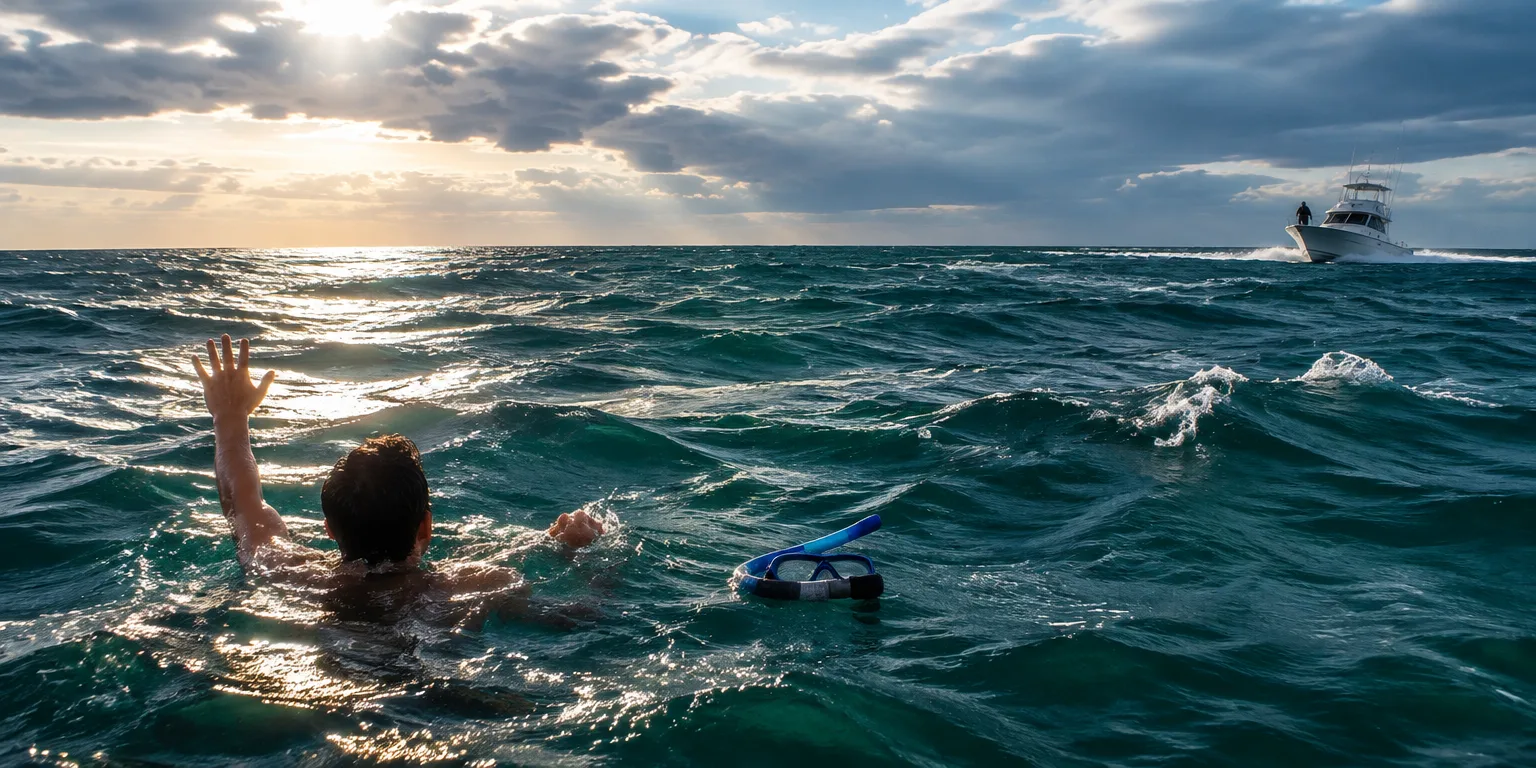
She had taken her mother, then 86, out snorkeling far off Miami. As Duckworth asked, "Who takes their 86-year-old mother snorkeling in the Atlantic?" They could still see land, but after a high-speed ride that long, as Duckworth put it, "you are not swimming to shore." She could barely keep up herself. Anyone who stopped fighting the current was swept behind the boat, away from where they were supposed to be.
Then her mother inhaled seawater, aspirated into both lungs, and lost consciousness. In her mother's memory, there was no struggle, only a blank. Duckworth swam to her side and did what she had done her whole life. She tried as hard as she could to swim her mother to safety.
That instinct is what this story is about, and why it failed. In a losing situation, Duckworth now argues, effort gets swallowed whole. The ocean was the situation, everything in and around them, and no amount of willpower could beat it.
For Duckworth, trying harder had been the only trick. People who are really gritty, she said, learn one response to trouble, to wake up earlier and push more, and it becomes the one pillar of their self-esteem. Letting go of it feels humiliating.
In the water, Duckworth said, perhaps out of desperation, she felt no shame about abandoning the fight. Fighting was clearly not working, so she stopped trying to muscle her mother back to the boat. She treaded water and changed the situation instead. She signaled for help.
Help came from an instructor on another boat. Why their own instructor never noticed them remains a mystery, Duckworth said. There was CPR, an ambulance, and a long ride back, with her mother bleeding from several places.
It was around Christmas, and her mother lived. Duckworth calls it a Christmas miracle. She opens her book with the story, and draws a lesson from the happy ending. Grit is great, she said, but grit is not enough. Sometimes the answer is not to try harder, but to stop, tread water, and wave down another boat.
Questions people ask
What should you do if someone loses consciousness while snorkeling?
Do not try to tow an unconscious person against a strong current, because you will both be swept away. Tread water, keep the person's face above the surface, and signal loudly for the nearest boat. Once rescuers arrive, they can provide flotation, CPR, and rapid transport to emergency care.
Why does breathing in seawater make a person black out so quickly?
Inhaled salt water interferes with gas exchange in the lungs and can trigger panic, coughing, and a sudden drop in oxygen. The brain quickly shuts down without enough oxygen, which is why people often black out fast and later remember nothing. That rapid unconsciousness is especially dangerous in open water because drowning can follow in minutes.
What does Duckworth mean by changing the situation?
It means redesigning the conditions around you instead of relying only on willpower. That can be as immediate as calling for help, or as long term as choosing a better coach, team, or daily routine. The idea is to put yourself where the thoughts and help you need come more easily.