Tucker Carlson Says Voters Think Data Centers Are Ugly and a Digital Prison
Carlson argues a Texas governor's race showed how that dislike can become votes.
 The Tucker Carlson Show · Tucker Responds to the Republican Midterm Bloodbath
In Tucker Carlson's account of the midterm elections, Americans across the country say resoundingly that they are not for data centers.
His example is Texas, where three-term Gov. Greg Abbott took the side of data centers while the Democratic challenger ran against them. Carlson says the Democrat is now going to be governor, adding that time will tell what she really meant, and presents her win as proof most voters agreed with her.
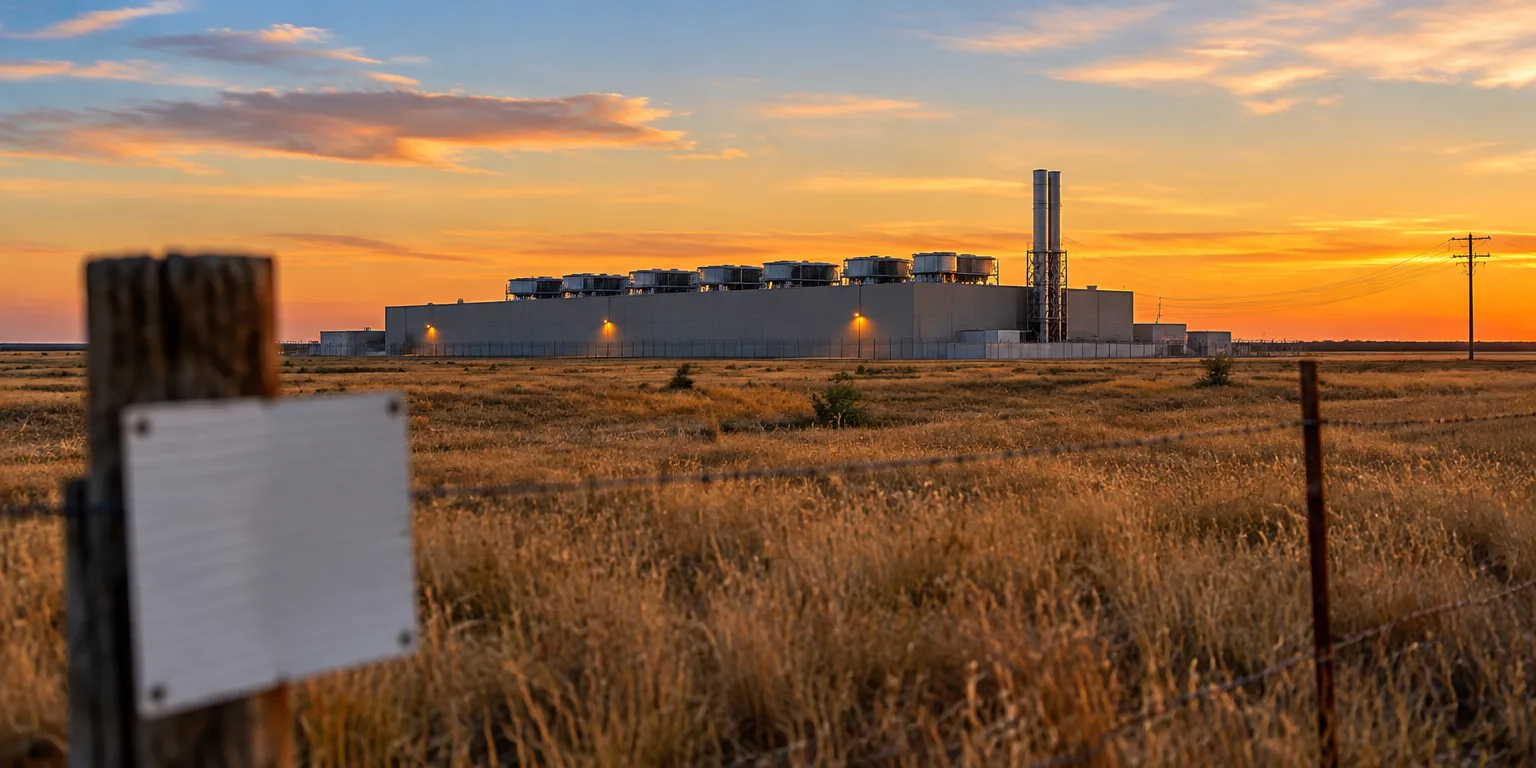
A data center is a large building packed with computers that store files and run online services.
In Carlson's telling of the voters' view, the first complaint is looks: the buildings are ugly and the whole idea sounds, in his words, kind of dystopian.
The second complaint is resources, because the centers gobble up large amounts of electricity and water to run and cool all those machines.
The third complaint is purpose: what are the centers for, if not to help ordinary people, but probably just to surveil them, a suspicion he sums up as feeling like a digital prison.
In his telling, Republican leaders showed contempt for voters, and the Texas result was simply democracy.
Questions people ask
What exactly is a data center?
A data center is a large building filled with computers that store files and run online services. When you stream video, use maps, or ask an AI chatbot a question, the work is often done in one of these buildings.
Why do data centers use so much water and power?
The computers generate a lot of heat and must be cooled to keep working. Many facilities use water in cooling systems, and all of them need steady electricity, so a very large center can matter to a town's water and power supply.
Do data centers themselves spy on people?
Not directly. They store and process information, including personal data, but cameras and tracking are usually done by phones, apps, and other services. The fear reflects worry that more stored data means more opportunity for monitoring.