TV Called Florida Twice in One Night, and the Presidency Came Down to 537 Votes
The first call came before polls had closed in Florida's western panhandle, and the second gave way to a fight over ballots and a December ruling.
 Washington Examiner · An inconvenient fact-check of Al Gore’s Inconvenient Truth on its 20th anniversary
At about 7:50 p.m. Eastern on Nov. 7, 2000, televisions across America carried the same verdict. The major networks said Florida would go to Vice President Al Gore.
With Florida's 25 electoral votes, Gore had 272, enough to win the presidency.
But there was a basic mistake behind the call. The networks had projected Florida before voting had finished in the state's western panhandle, a heavily Republican region that largely keeps Central time, an hour behind the rest of Florida. From 6:30 to 7:50 p.m. Eastern, broadcasters had repeatedly told viewers that all Florida polls closed at 7, overlooking that voters farther west still had another hour.
That early call wrongly signaled the race was over. The Florida count ended up one of the closest ever, decided by 537 votes in one state and finally by the Supreme Court.
The networks had to withdraw their Florida projection, along with their call of the whole presidential race. The night stretched into the early morning, with the result still unresolved.
Then, at 2:15 a.m. Eastern, the networks called again. This time, they said Bush, then the governor of Texas, had captured Florida and with it the White House.
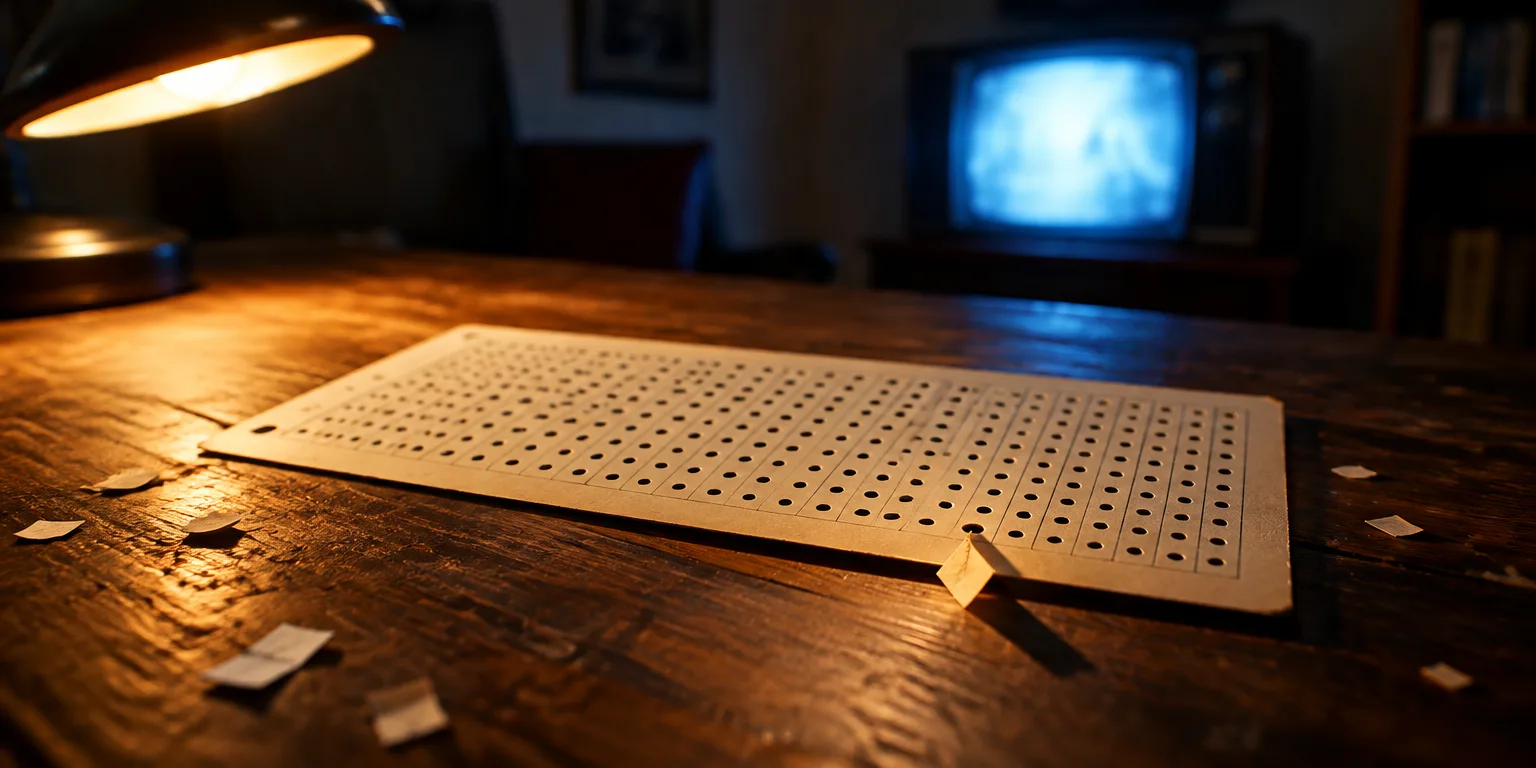
Gore's team fought the result in court. The fight centered on Florida's count, and on hanging chads, the punch card ballots where small bits of paper failed to detach fully when voters punched their choices. Gore's lawyers contended that those ballots had been tallied wrongly or skipped altogether, and that the miscount had given Bush the state by 537 votes.
For more than a month, the presidency hung on recounts and legal arguments over those ballots. The dispute finally ended on Dec. 12, 2000, when the Supreme Court decided the matter in Bush's favor.
Gore conceded anyway. He said the nation needed to move forward and recover, and he stepped aside even though several members of his own team wished he would continue the fight.
Questions people ask
Why did one state decide the whole election?
Presidents are chosen by the Electoral College, not the national popular vote, with 270 electoral votes needed to win. Florida then carried 25 electoral votes, so winning or losing the state swung the total enough to decide whether Gore or Bush reached 270.
Why do TV networks call races before the official count is done?
Networks use exit polls, early returns, and statistical models to project winners quickly for viewers. The projections are not official results, which is why a call can be withdrawn when later votes or new information change the picture.
Why did the recount take more than a month?
Florida law at the time required a machine recount when the margin was very small, and the campaigns then fought over whether and how to recount punch card ballots by hand. Because the margin was only a few hundred votes out of millions cast, each disputed ballot could change the outcome.