Two Bicycle Shop Owners Beat a Well-Funded Scientist to Flight
Samuel Pierpont Langley had $50,000, Harvard, and the press. The Wright brothers had a bicycle shop and a belief.
 TED · How Great Leaders Inspire Action | Simon Sinek | TED
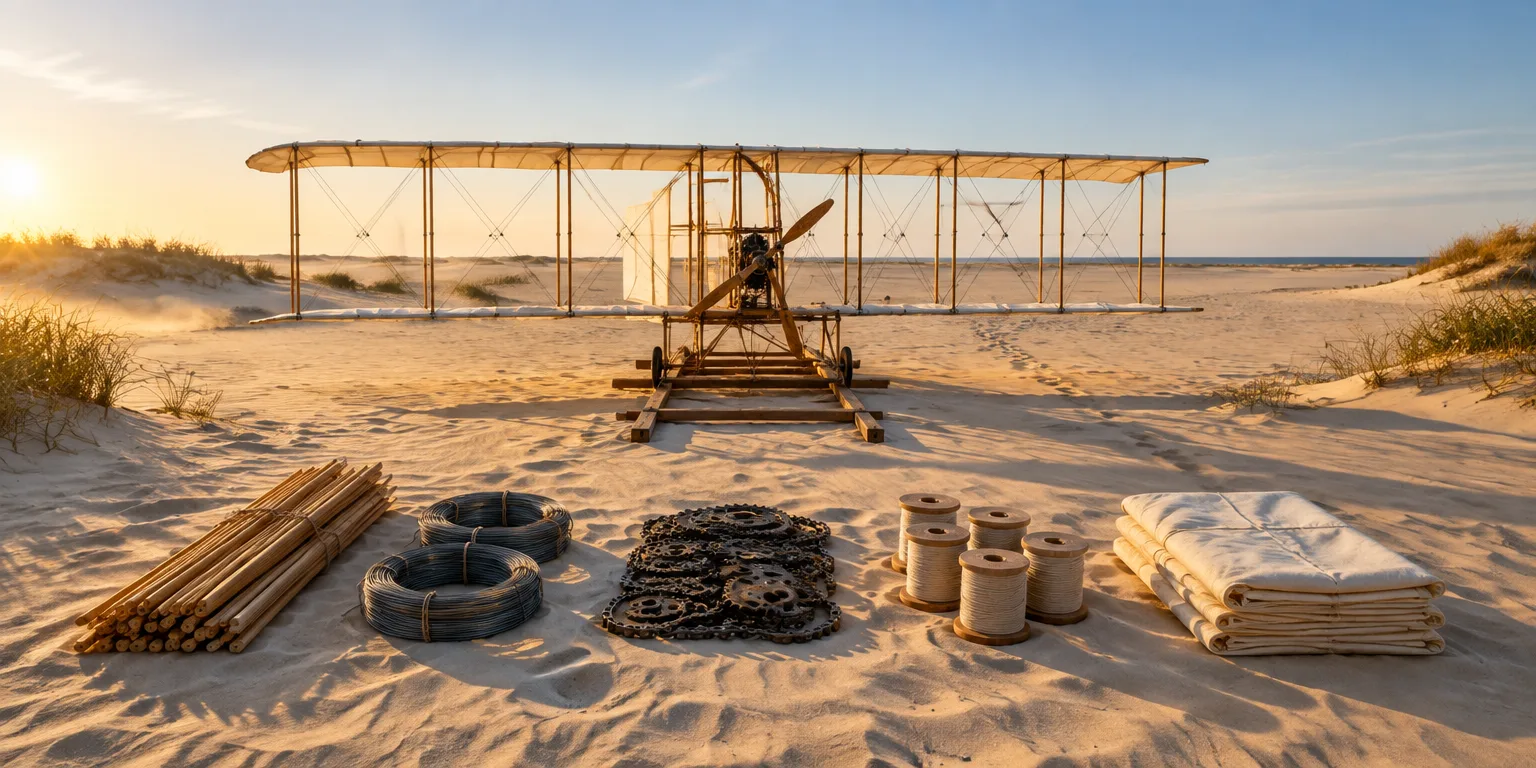
Stories told afterward say that whenever Orville and Wilbur Wright went out to test their flyer, they brought five sets of parts, enough for all the crashes they might suffer before supper.
The brothers ran a bicycle shop in Dayton, Ohio, and used the earnings from the shop to pay for their experiments. No one on their small team had attended college, including Orville and Wilbur themselves. No big newspaper chronicled their work.
A few hundred miles away, Samuel Pierpont Langley had what looked like every advantage. He had a post at Harvard and a role with the Smithsonian, knew leading thinkers of the day, and received 50,000 dollars from the War Department to develop a flying machine. He could afford to hire leading experts. Reporters from The New York Times tracked his efforts, and the public hoped he would succeed.
The difference was motive. The brothers thought a working airplane could change how the world lived. According to Simon Sinek, a speaker on leadership, Langley sought wealth and public acclaim and focused on the payoff.
That divide shaped the work. Sinek uses the contest to argue that shared belief draws deeper effort. To make a general point about hiring, he says, “if you hire people just because they can do a job, they'll work for your money, but if they believe what you believe, they'll work for you with blood and sweat and tears.” In this account, those who shared the Wrights’ conviction kept rebuilding after failures, while Langley’s employees worked for pay.
On December 17, 1903, the Wrights achieved powered and controlled flight, with almost no one present to see it, and word spread days later.
In Sinek’s telling, Langley gave up after the Wrights flew and did not try to improve on their design. With no first place, and no wealth or public honor to follow, he stopped.
Questions people ask
Why was almost no one there to see the first flight?
The tests took place at Kitty Hawk, North Carolina, a remote and windy site chosen for privacy and conditions, not crowds. Only a handful of members of a nearby lifesaving station and local residents watched. With no reporters present, wider attention came days later through word of mouth and wire reports.
Did Langley really quit the day the Wrights flew?
Langley's piloted Aerodrome failed in tests over the Potomac River in October and December 1903, the second failure coming nine days before the Wrights flew. Government support ended and newspaper coverage turned harsh. Sinek compresses what followed into quitting after the Wrights flew to illustrate motive, but Langley remained at the Smithsonian until shortly before his death in 1906 and did not develop a successful airplane.