Two men breathed only through their mouths for 10 days and got sick
Snoring jumped 1,300% in a day, blood pressure rose into hypertension, and everything vanished 48 hours after they switched back.
 The Rich Roll Podcast · This Breathing Technique Will TRANSFORM Your Health In DAYS
James Nestor, a writer researching breathing for his book, had asked a simple question that no lab had tested. If breathing through the mouth is so bad, what happens when healthy people do it nonstop?
He had pitched a large test to Stanford's senior researcher studying the nose, a doctor who studies noses and sinuses, involving about 40 people. The chief refused. Nestor said the doctor considered it unethical because he already knew how much damage it would cause, and there was no funding for a study that large anyway.
So Nestor scaled it down to the smallest possible test. He and one other volunteer, a man named Olsen, would pay for the lab time themselves and do it to themselves.
The plan was simple and miserable. For 10 days, both men would breathe only through their mouths, day and night, followed by 10 days of breathing only through their noses. They kept everything else the same, down to exactly what they ate and when they ate it, and tracked the changes with the Stanford lab's nose and lung testing equipment.
The point, Nestor said, was to measure how mouth breathing compared with nasal breathing in the same bodies, under controlled conditions. The results came fast, and they centered on sleep.
Within 24 hours, Nestor's snoring rose 1,300%. Within days, both men had developed sleep apnea, a condition in which breathing repeatedly stops and starts during sleep. Nestor's blood pressure jumped 13 points, reaching what doctors classify as stage one high blood pressure. A measure of stress resilience called heart rate variability, which reflects how flexibly the heart responds to demand, plummeted. Stress hormones rose. Bacteria built up in their noses, with a sinus infection looming. Olsen, who had not snored at all, ended up snoring for four hours a night.
For the first few days, the two men laughed about how awful they felt. By day eight or nine, Nestor said, they were just angry and irritable, waking tired, foggy, and anxious.
Then they switched back. Breathing through their noses at night, with their mouths taped shut, all of the snoring and sleep apnea disappeared within 48 hours.
What stayed with Nestor was not his own recovery but the thought of children who live that way every night because their noses are chronically blocked, and whose breathing problem, he said, no one is addressing.
Questions people ask
What exactly is sleep apnea?
Sleep apnea is a disorder in which the upper airway narrows or closes during sleep, so breathing pauses for seconds at a time, sometimes hundreds of times a night. The brain briefly wakes to restart breathing, which fragments sleep and, over time, raises the risk of high blood pressure, heart disease, stroke, and daytime fatigue.
Is mouth taping at night safe to try?
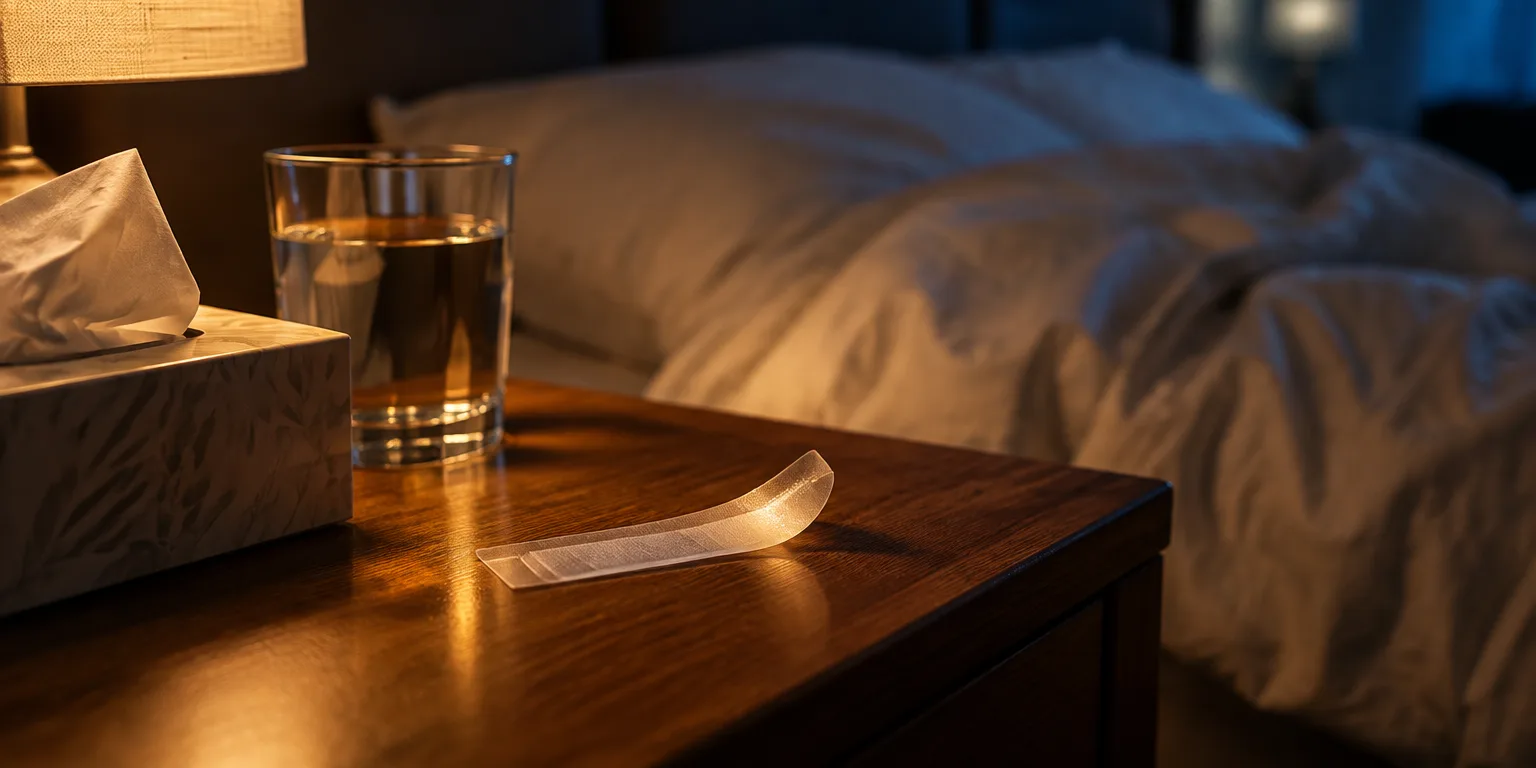
Mouth tape is a strip of gentle adhesive tape worn over the lips at night to encourage nasal breathing. Nestor says it helped him, and that the effect can be tracked with sleep apps or wearables, but he warns it is not for everyone and should first be practiced during the day. People with a blocked nose, chronic congestion, or severe apnea should talk to a doctor first.
Why would the nose versus the mouth matter so much?
Nasal breathing filters, warms, and humidifies incoming air and creates resistance that slows the breath and engages the lower lungs. Mouth breathing bypasses that system, tends to be faster and shallower, and is more likely to let the airway collapse during sleep. That is why allergy season, when noses clog, brings a spike in snoring and apnea.