Two Outsiders Borrowed $100 Million to Buy 700 Baltimore Homes, Then Disappeared
The reporters traced the buying to landlord loans based on expected rent, and the FBI is now investigating.
 Planet Money · The loan at the heart of a new foreclosure crisis
At 9:30 on a morning in Spring Valley, New York, Jack Bologna, a reporter for the Baltimore Banner, walked up to a multifamily house and started knocking. Hallie Miller, a fellow Banner reporter, stood a couple steps behind. Inside, they heard movement and blinds shuffling, as if someone was peeking out and then pulling them down.
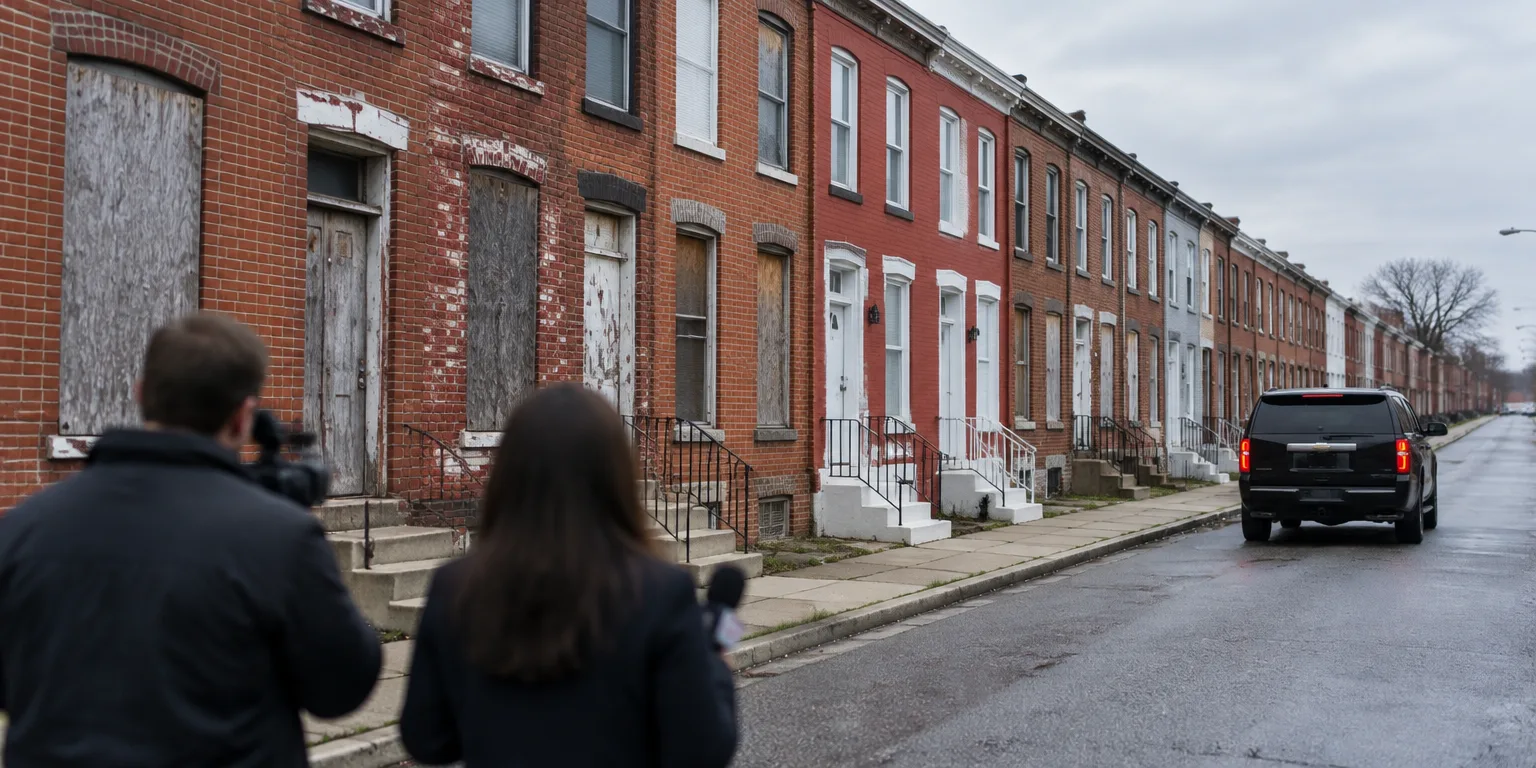
Then a side door opened and a car behind them started. A driver who looked like the one picture they had of Eliezer Gold, a New York-area investor, backed out in a big black SUV. Bologna moved into the driveway to try to make eye contact and ask, “Are you Eliezer Gold?” Miller thought her colleague was about to get run over.
Bologna joked that being hit would at least have made the driver stop and talk. The driver swerved around him and took off.
Public records examined by Bologna and Miller show why they had made the trip. Gold and Benjamin Idles, another New York-area man, had rapidly put together what the reporters believe is among the biggest privately held collections of homes in Baltimore: more than 700 old row homes, bought with a type of landlord loan called a DSCR loan, which is judged on whether the expected rent will cover the payment rather than on the borrower’s income. Bologna and Miller built a giant spreadsheet of purchase prices and loans, then ran the total more than once because it seemed impossible. In just a couple of years, the two men had borrowed about $100 million.
Gold alone, through companies in his name, had acquired over 500 houses. People the reporters talked to in Baltimore said they had never seen him. To buy that many homes, Bologna said, you would think he would spend more time in the city.
Property records showed Idles had bought homes in Baltimore and passed on over 100 houses to Gold. When the reporters found Idles near Spring Valley, he rolled down his car window, spoke for about five minutes, and declined to talk on the record. Then his dashboard lit up with an incoming call from “Ellie Gold.” In another document, Gold listed his own address as Idles’ home address.
The reporters have a theory, which they stress is only a theory, for what happened. One person buys a home cheap, resells it to a close associate at a much higher price, gets an appraisal to support that inflated price, and uses it to take out a large loan and pocket the difference. Repeated hundreds of times, with loans that set no limit on how many homes one person can buy, the buyer ends up loaded with debt, then stops paying and many homes go into foreclosure. The reporters note it is also possible the landlords were doing their best and ended up in over their heads.
The FBI is now investigating Gold and Idles and others, and private lenders have added those names to an industry blacklist. Neither man agreed to comment.
Questions people ask
Why was it so easy to borrow that much?
A DSCR loan, short for debt service coverage ratio loan, is a mortgage for landlords that is approved mainly if the expected rent covers the monthly payment. The lender checks the credit score and an appraisal of value and rent, but does not verify the borrower's job or income.
What made the buying look suspicious?
Bankruptcy filings for companies tied to one landlord said only about a third of the homes were ever occupied. The reporters also found the men paid double or triple what the same houses had sold for a few years earlier, often with no sign of renovation.
What is a Baltimore row house?
Baltimore is known for its row houses, attached two- or three-story houses that run block after block and make up about half the city's housing. Many are in poor shape, with crumbling brick and boarded windows, which can make it hard for an outsider to judge value from paperwork.