Two Sisters Survived Junior High by Pretending to Be White and Rich
In 1980s Brownsville, Mary and Margie Martinez became the Mimis, until a summer picking grapes exposed real life.
 This American Life · 449: Middle School
In Brownsville, Texas, in the mid-1980s, Mary and Margie Martinez bleached their dark hair until it went dry and straw-like. Then they dressed in Sergio Valente and Gloria Vanderbilt, designer jeans that signaled money at the time, dabbed on perfume bought at the local JCPenney, and called each other simply Mimi.
Their younger brother, Domingo Martinez, the author of the memoir The Boy Kings of Texas, said the typical conversation between them "went like this. Mimi, do you like my new Jordache jeans? Yes, Mimi, I do. Do I look rich in my new Nikes, Mimi? Mimi, you look like a tennis player, Mimi."
This was not just teenage fashion. Domingo Martinez says his sisters invented the Mimis to get through junior high in a border town tinged with racism. Instead of feeling inferior for being Mexican-American, they chose to live as if they were wealthy and white. They were, in his telling, two trust-funded tennis players from Connecticut who had accidentally landed in Brownsville and ended up staying with a struggling Mexican household after a run of bad luck.
Everyone played along. Relatives who spoke no English nodded. Their mother, thrilled to be related to royalty, shifted the boys' small clothing budget into the girls' wardrobe. Their mother and brother accepted hand-me-downs made for glamorous junior high girls. The fiction held because the family needed it to hold. Their grandfather had used Korean War service money to build a trucking business that had made them rich by neighborhood standards, and after he died in 1980, the business fell apart and their father slid toward desperation.
Then their father decided the family would drive to California when school ended to pick grapes for the summer harvest, working as migrant laborers alongside distant cousins. The pay would be adult pay. The Mimis were delighted. As Domingo Martinez remembered it, his sisters said, "Mimi, we're going to California? Oh my God, Mimi, we're going to be valley girls," teenage girls from California's San Fernando Valley known in the 1980s for shopping-mall slang.
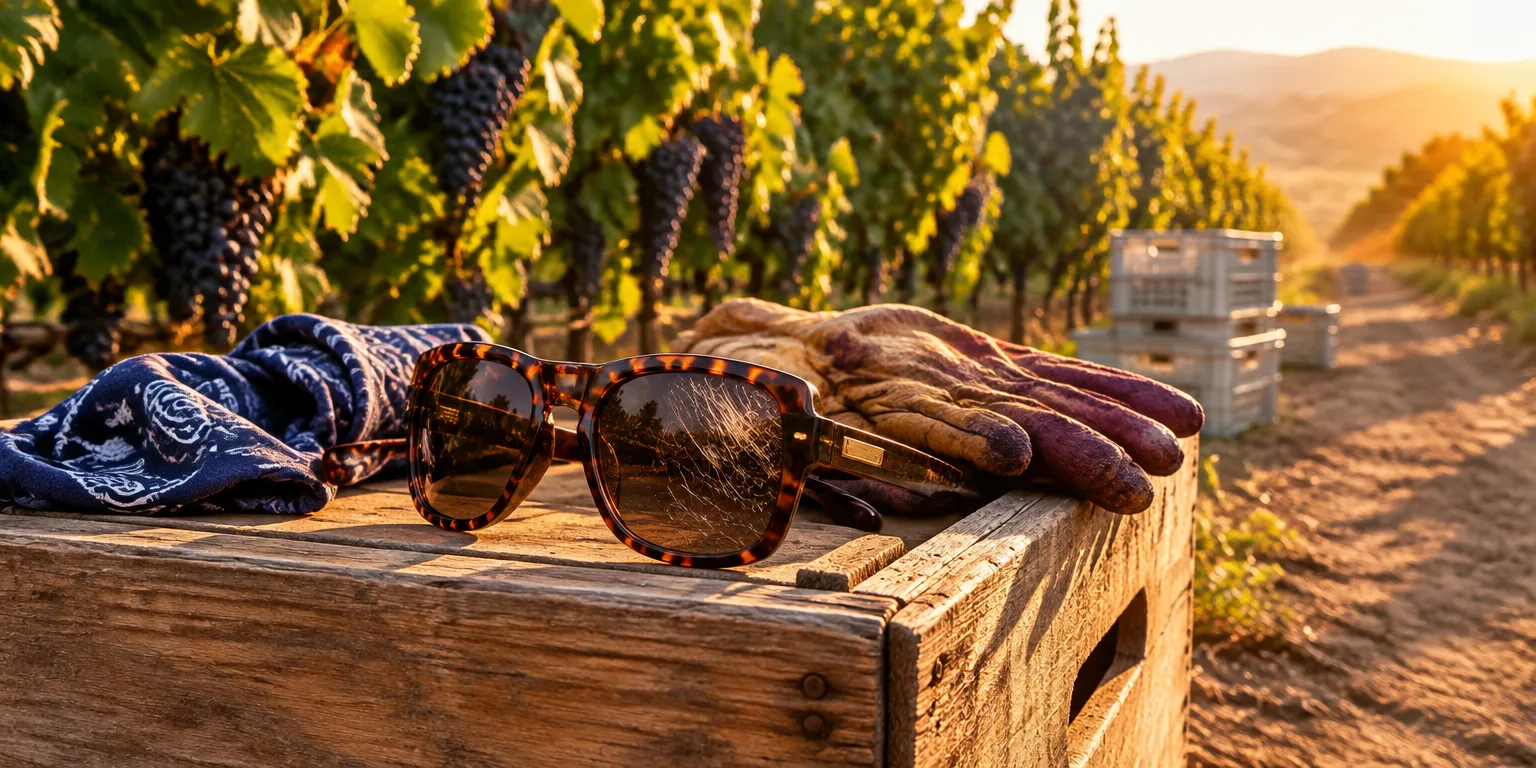
At first, the older sister, Margie, picked grapes dressed like the dancer in Flashdance, a hit movie of the era, in a striped tank, white shorts, a matching headband, and tennis shoes. She even brought a Canon camera to photograph the vineyards. The sun burned any exposed skin and left a pale strip where her headband had been. To avoid heatstroke, she gave up the costume for long-sleeved shirts buttoned to the neck, thick denim, work boots, and a bandana over her nose and mouth. Her younger sister Mary's vanity glasses, fitted with fake lenses and her name etched in gold, were scratched beyond repair in the fields. Her roots grew out, and heat and farm chemicals lightened what was left.
By the end of that summer, the fantasy had deflated. When the family returned to Brownsville, the nickname was never spoken in the house again. There was only Marge, who took a bank job the next summer instead of returning to California, and Mary, rubbing her allergy-plagued nose and snapping at anyone who talked to her. Domingo missed them, because at their peak the Mimis could turn the same dreary landscape hopeful for everyone who caught a whiff of their perfume. Of that magic, Domingo Martinez said, "They made all of us Americans."
Questions people ask
Where is Brownsville, and why did race matter so much there?
Brownsville sits at the southern tip of Texas, across the Rio Grande from Mexico. In the 1980s, many families there were recent immigrants, and children of Mexican descent could face pressure to act as white as possible to fit in at school. That is the pressure the sisters were answering with their act.
What is migrant grape picking like?
Crews move with the harvest season, often for low hourly or piece-rate pay, and work long days in high heat. Workers typically wear long sleeves, hats, and bandanas to block sun, dust, and pesticides. Heat illness, skin damage, and eye injuries from branches and chemicals are common risks.
What does valley girl mean?
It refers to a 1980s stereotype of affluent teenage girls from California's San Fernando Valley, popularized by music and movies. The speech, slang like gag me with a spoon, and shopping-mall fashion became national shorthand for rich, carefree teen life. That is why the sisters used it to imagine California.