Tyler Cowen needed ten seconds with GPT-4 to know the world had changed
He had predicted AI would matter in 2013, but outside chess he had found no useful use for it until that early test.
 Tetragrammaton with Rick Rubin · Tyler Cowen
Tyler Cowen, who wrote a 2013 book predicting that AI would be important, got early access to GPT-4 before its public release in 2023. He started testing it. Cowen said, "I just fell in love with it immediately."
He had advanced access, so he knew roughly what was coming. Within 10 seconds of trying it, Cowen thought, "this is going to change the whole world."
That instant ended a long and mostly frustrating wait. In 2013, Cowen had published a book predicting AI "would be the next big thing," as Cowen put it. He now calls that call speculative, a bet without hard evidence. Outside chess, he had found no useful use for AI in his own work.
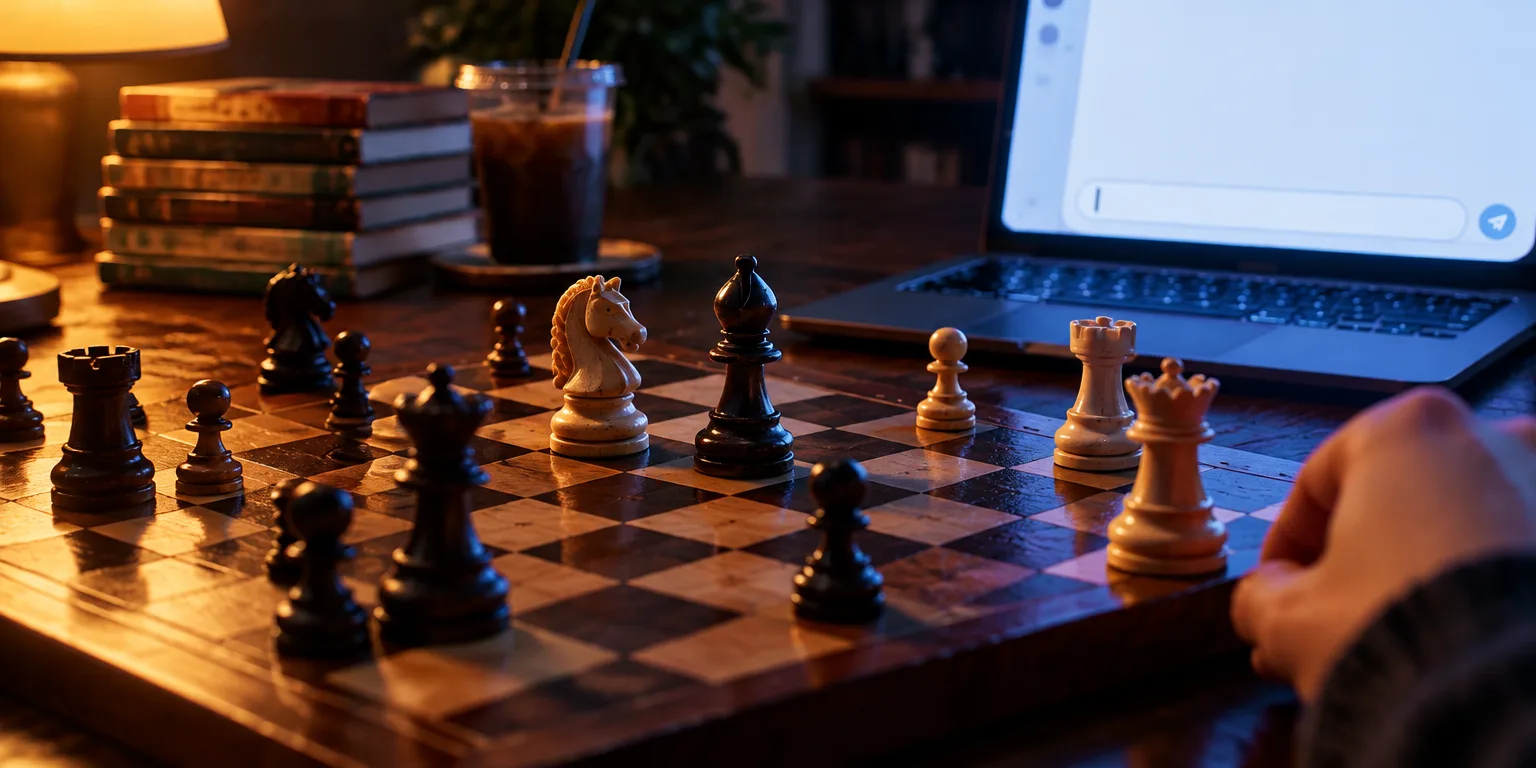
The one exception sat on a chessboard. Computers had been stronger than humans at chess since 1997, and chess was the only area where AI already mattered to him.
Playing against those machines, he said, is what prepared him. Asked if chess set the stage for his early interest, Cowen said, "Oh, not probably. That's definite."
The reason was what chess taught him about machines. Outsiders assume chess is calculation, which computers were always bound to win. Players know it is mostly intuition and understanding. Once computers could play chess at that level, he took it to mean they could do intuition and understanding. Then it was only a matter of time before they did the same in other areas.
GPT-4 was that time arriving. Cowen decided on the spot how to spend his days. Studying the technology and tracking its progress was the best use of his time, he thought, and he was going to do it.
More than two years later, he is still at it, after a decade in which he had little use for AI outside chess.
Questions people ask
What was GPT-4?
GPT-4 was the large language model released by OpenAI in March 2023. Compared with earlier chatbots, it could follow complex instructions, explain its reasoning, handle longer documents, and work across text and images, which is why many users treated it as the first model useful for real work.
What did Cowen predict in his 2013 book?
In Average Is Over, published in 2013, Cowen argued that intelligent machines would split workers into those who could work with computers and those who could not. He predicted rising inequality and a growing premium on people who could direct, check, and combine machine output.
What happened in computer chess in 1997?
In May 1997, IBM's Deep Blue beat world champion Garry Kasparov in a six-game match. It was the first time a computer beat a reigning world champion under match conditions, and it made chess the earliest public proof that machines could outperform the best humans at a cognitively demanding game.