Uber Does Not Have a True Network Effect
Real network effects grow with the square of users, which lets a small lead compound into a monopoly.
 Invest Like the Best with Patrick O'Shaughnessy · Martin Casado on Frontier Model Economics, AI's Slowdown, and the Cursor Deal - [Invest Like the Best, EP.498]
The test of a real network effect is simple math, says investor Martin Casado. In phone and train networks, the connections grow faster than the headcount, because each newcomer can reach many people already there.
That faster than headcount growth is what investors call superlinear. If two rivals each spend 5 million dollars, the slightly larger one grows faster for the same money, and its lead widens over time toward monopoly.
The opposite is sublinear. The leader grows a little more slowly than a challenger for the same spending, so the challenger can catch up unless the leader keeps spending more and more.
True superlinear cases are rare, Casado says. Phone companies, which once had to be broken up, qualify, along with LinkedIn, social networks, and GitHub, where the value lies in connections among people and their work.
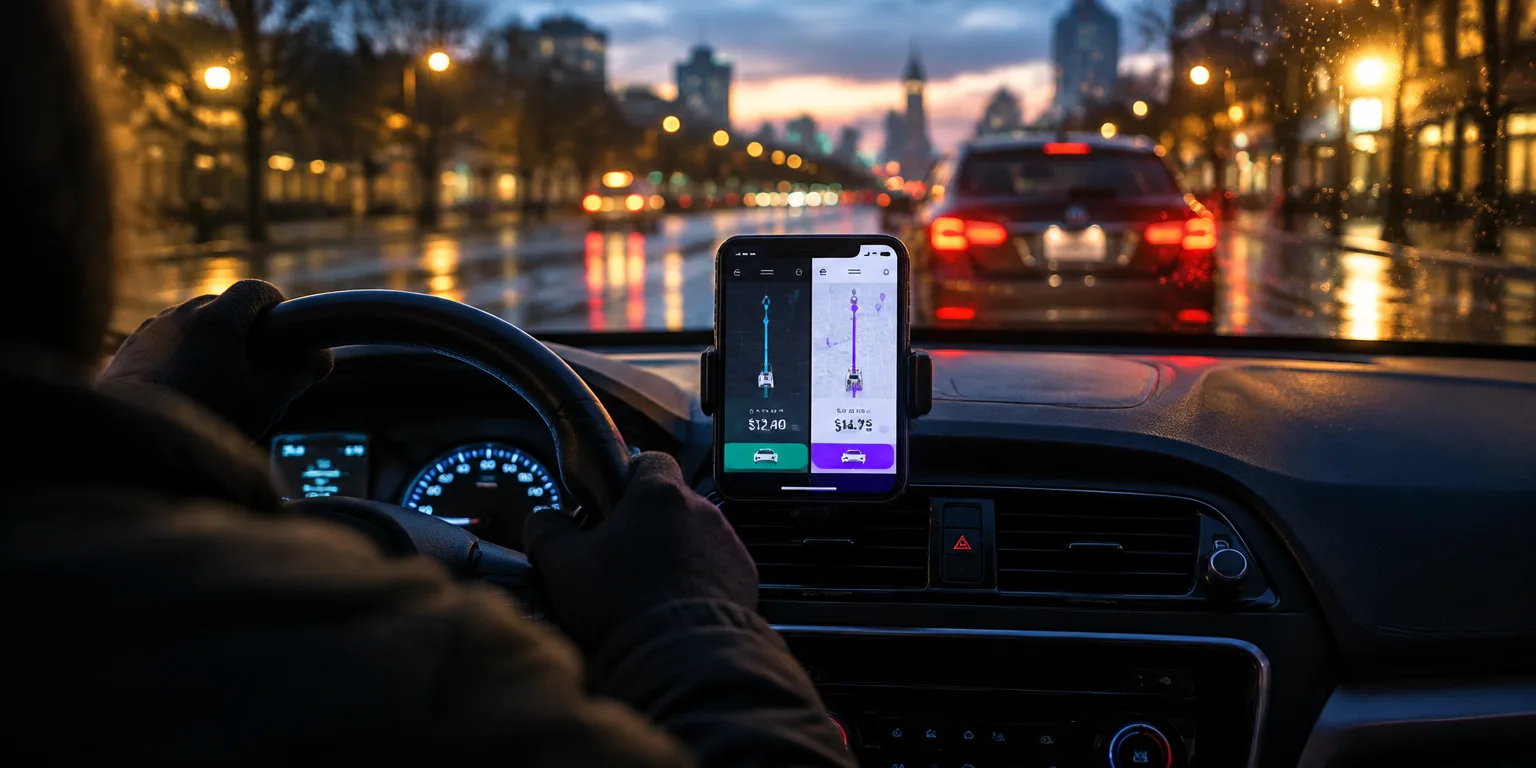
He said he was not sure Uber follows that definition. He said it might be called a two-sided marketplace of drivers and passengers, but Casado described it as "more like a funding scale effect," where raising more money helped bring down unit economics.
That matters because drivers drive for everybody and passengers can use anybody, so Uber has no lock on either side. It can still benefit from scale, but not the compounding lead of a classic network effect.
Casado says those classic network effects can build very durable, high value companies. He argues defensibility is often not worth talking about, because in a growing market companies can expand without displacing one another.
Questions people ask
What is the square-law idea behind a true network effect?
It is the idea that the value of a communications network grows in proportion to the square of the number of users, because each user can connect to every other user. A network of 10 phones allows about 90 possible directed connections, while 100 phones allows about 9,900. Casado is describing that math without using the formal name.
What is a two-sided marketplace?
A two-sided marketplace brings together two groups, such as riders and drivers, buyers and sellers, or hosts and guests. It gets more useful as both sides join, because wait times fall and choices rise. But it is weaker than a phone network if either side can easily use rival services at the same time.
Why can Uber drivers and riders switch apps so easily?
Most drivers and riders face little cost to keep two or more ride apps on their phones. A driver can accept whichever trip pays best at the moment, and a rider can compare prices in seconds. That switching keeps any one app from locking in its users.