Uber, Lyft and their drivers may unite to slow autonomous taxis
More than 50,000 California drivers have joined a new union that the ride-hailing companies have not opposed.
 WSJ What's News · The Tech Selloff Deepens
Economics reporter Paul Kiernan, reporting on California's newly certified gig drivers union, said industry analysts see a possible reason for Uber and Lyft's quiet response. The companies may view the union as a future partner against a common threat.
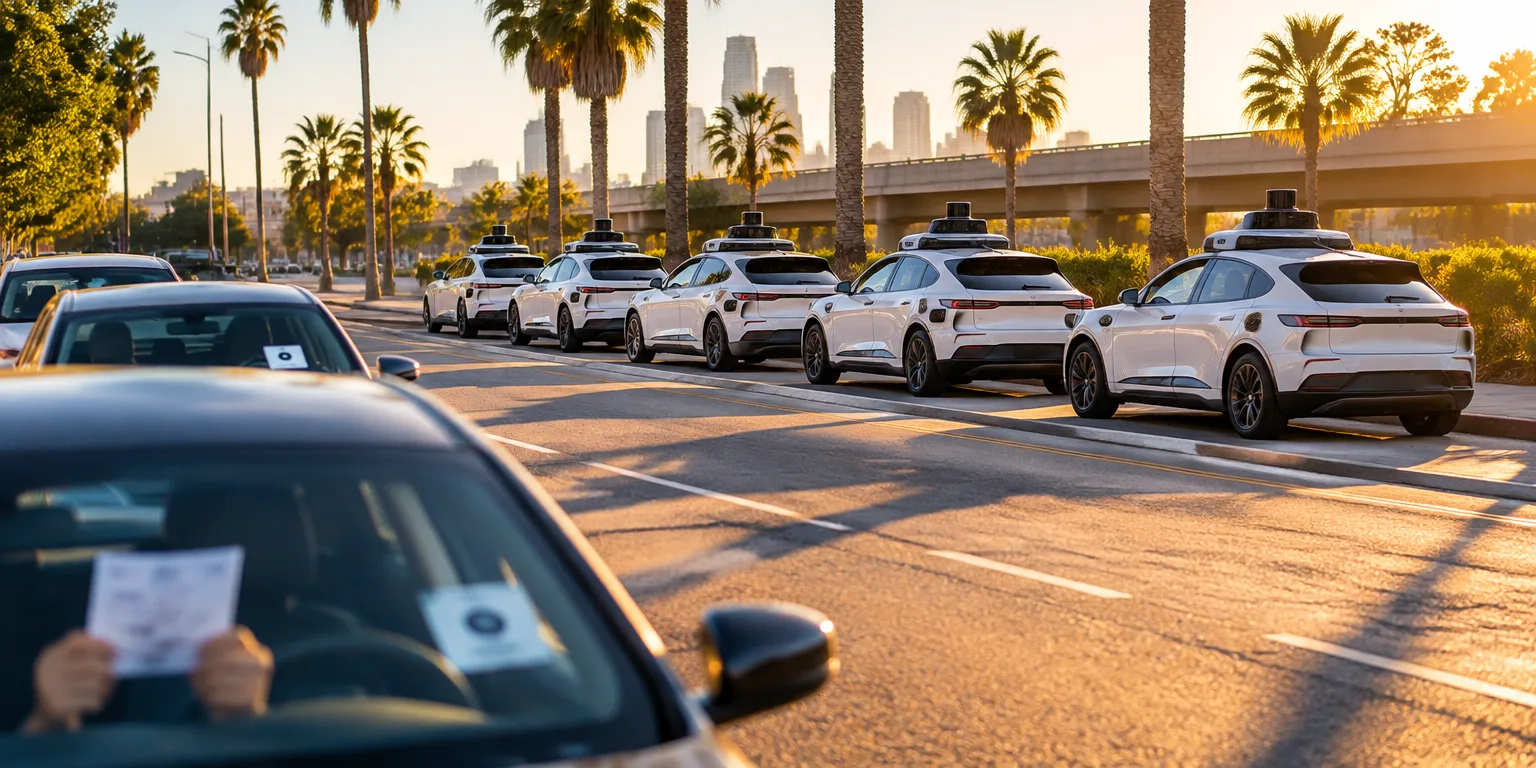
He said analysts think Uber and Lyft "likely see the unions as potential partners in slowing down the expansions of those services through regulation." By those services, he meant autonomous taxi services like Waymo, which could replace human drivers.
More than 50,000 drivers have signed up for the California Gig Workers Union. Weak pay growth, pressure from driverless cabs, and rising costs for fuel, insurance, and vehicles helped push drivers to organize. Drivers hope collective action will help them press for a larger cut of each fare, along with benefits, higher pay, and a review process when their accounts are shut off, sometimes for reasons they are never given.
Kiernan said that, in part, the companies have not fought the union because they have "already achieved their biggest policy goal of keeping drivers classified as independent contractors rather than employees." He noted that "Employees in the US are entitled to minimum wages, workers' compensation, and other rights," while independent contractors are not, a distinction he called crucial to the companies' business model.
Kiernan said, "It remains to be seen if the union will prove an effective tool for drivers to negotiate better pay." He said if some drivers stop working, others could keep driving and benefit from higher fares during the shortfall. He said driver views were mixed, with doubt among some drivers and willingness to try it among others.
Questions people ask
If drivers are independent contractors, what can a union do for them?
It cannot bargain the way a traditional workplace union does, because contractors are generally treated as separate businesses under labor law. Instead, it can lobby state regulators, publicize pay practices, and coordinate pressure around issues like fare shares, benefits funds, and appeals over deactivations.
Why do Uber and Lyft care so much about contractor status?
Employee status would generally require minimum wage, overtime, unemployment insurance, and workers' compensation, plus reimbursement of major work expenses. For companies built on using large numbers of part-time drivers with fluctuating hours, those costs and scheduling rules would fundamentally change the business model.
Could a union and the companies really lobby together against robotaxis?
Yes, and it would not be the first time rivals joined forces on regulation. Drivers want to protect jobs and pay, while Uber and Lyft want time to adapt before autonomous fleets expand. Both could favor permits, safety reviews, service limits, or local operating rules that slow expansion.