Uber Told China It Would Be Shut Down Over Any Chaos
Uber's founder told Beijing that Western progress needs a threat, but Chinese progress needs order.
 David Senra · Travis Kalanick, Founder of Uber & Atoms
Travis Kalanick, the founder of Uber, recalled July 2015 as the month cars were burning in Paris. Taxi drivers had called a pan-European strike, and in city after city they tried to shut the streets down.
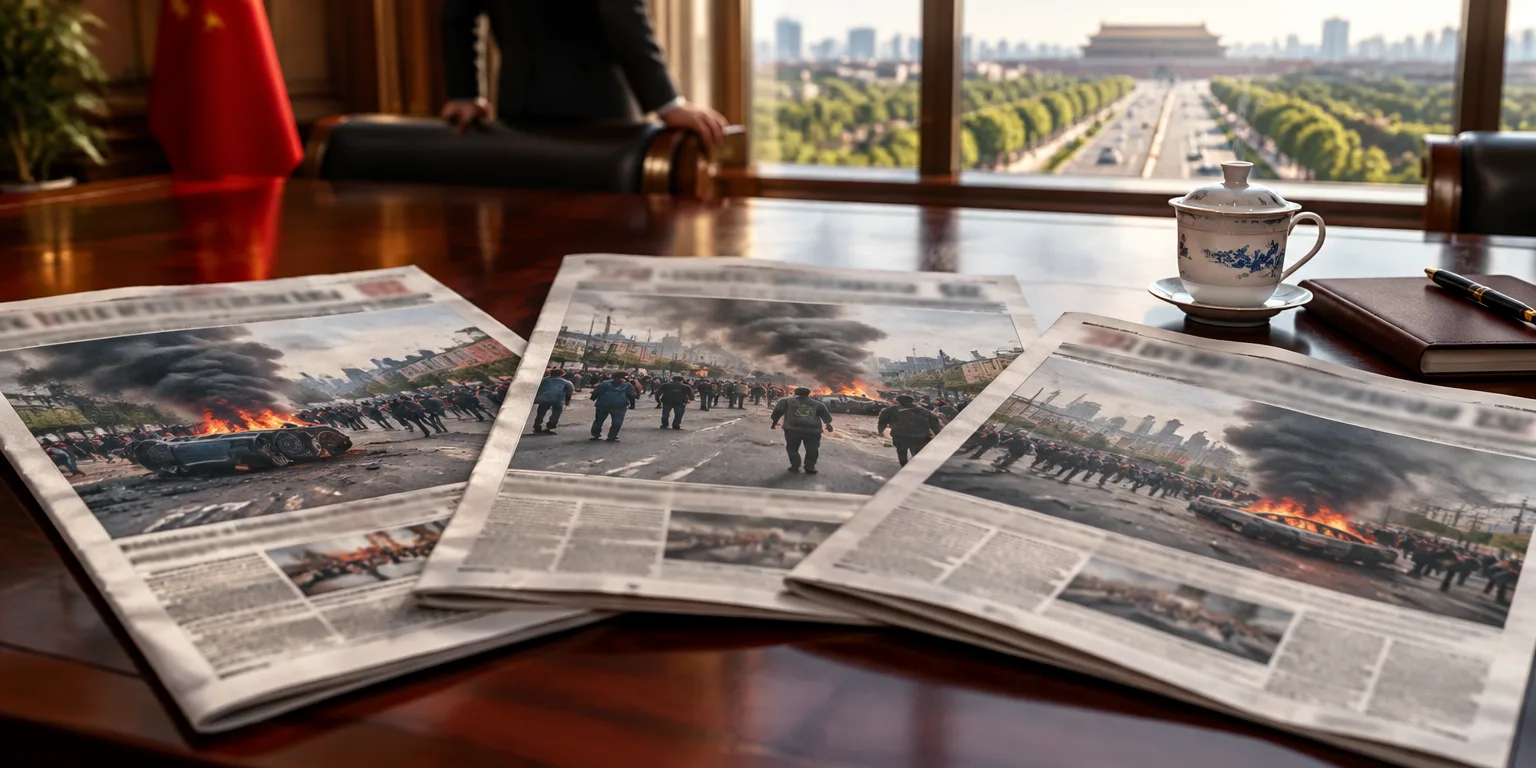
At about that same time, Kalanick walked into a meeting with China's transportation minister. The minister threw down three Western newspapers, the old broadsheet kind, with photographs of the chaos splashed across the top of the front page. He made clear that China would not accept that kind of disorder.
In Kalanick's telling, the meeting would help shape Uber's chances in China. He knew that any hint of instability linked to Uber would mean the company would "be shut down immediately."
So he had to convince the minister that progress did not have to mean disorder. He started by talking about Western democracies. He called Western democracy "a popularity contest." A politician succeeds by being popular, not by delivering progress, and the only time that politician will allow progress is when he feels threatened. It takes the threat of disruption or instability to force change.
China, he told the minister, was totally different. Progress there had to move together with order, and he put it in words the minister would recognize. As Kalanick put it, "progress must be in harmony with stability."
Kalanick told the minister that if Uber brought even a hint of instability to China, it should face immediate closure. But as long as it built on a foundation of stability, he said, progress would be welcome.
Kalanick later said officials never concluded that Uber was injecting instability into their cities. For the most part, he said, Uber was treated fairly in Chinese cities. What changed was the sense, as Uber kept growing, that the American company might actually win.
Questions people ask
Why were taxi drivers protesting Uber in Paris in 2015?
Licensed taxi drivers said Uber allowed unlicensed drivers to undercut them and evade the costly rules, licenses, and insurance they were required to carry. In France, the anger focused on UberPop, a low cost service that used drivers without professional taxi licenses, which France later banned.
What ultimately happened to Uber in China?
Uber fought a costly subsidy war with Didi, China's dominant ride hailing company, through 2015 and 2016. In August 2016, Uber sold its China operation to Didi in exchange for a stake in Didi, effectively exiting the country as an independent operator.
Why does political stability matter so much to Chinese officials?
Since the economic reforms that began in 1978, the ruling Communist Party has tied its legitimacy to delivering growth while preserving social order. Mass unrest is seen as a threat to both the economy and Party control, so officials prize development that does not provoke strikes, protests, or street disruption.