Ukraine bombs Russian refineries to cut off money for the war
Trump wants the strikes to stop as he pushes Russian diesel imports and a ceasefire on energy attacks that Ukraine and Russia show no sign of joining.
 WSJ What's News · Will Trump’s Russian Diesel Deal Lower Prices?
Ukraine keeps striking Russian refineries because those plants turn crude oil into fuels that Russia can sell and use, and those sales help pay for the war.
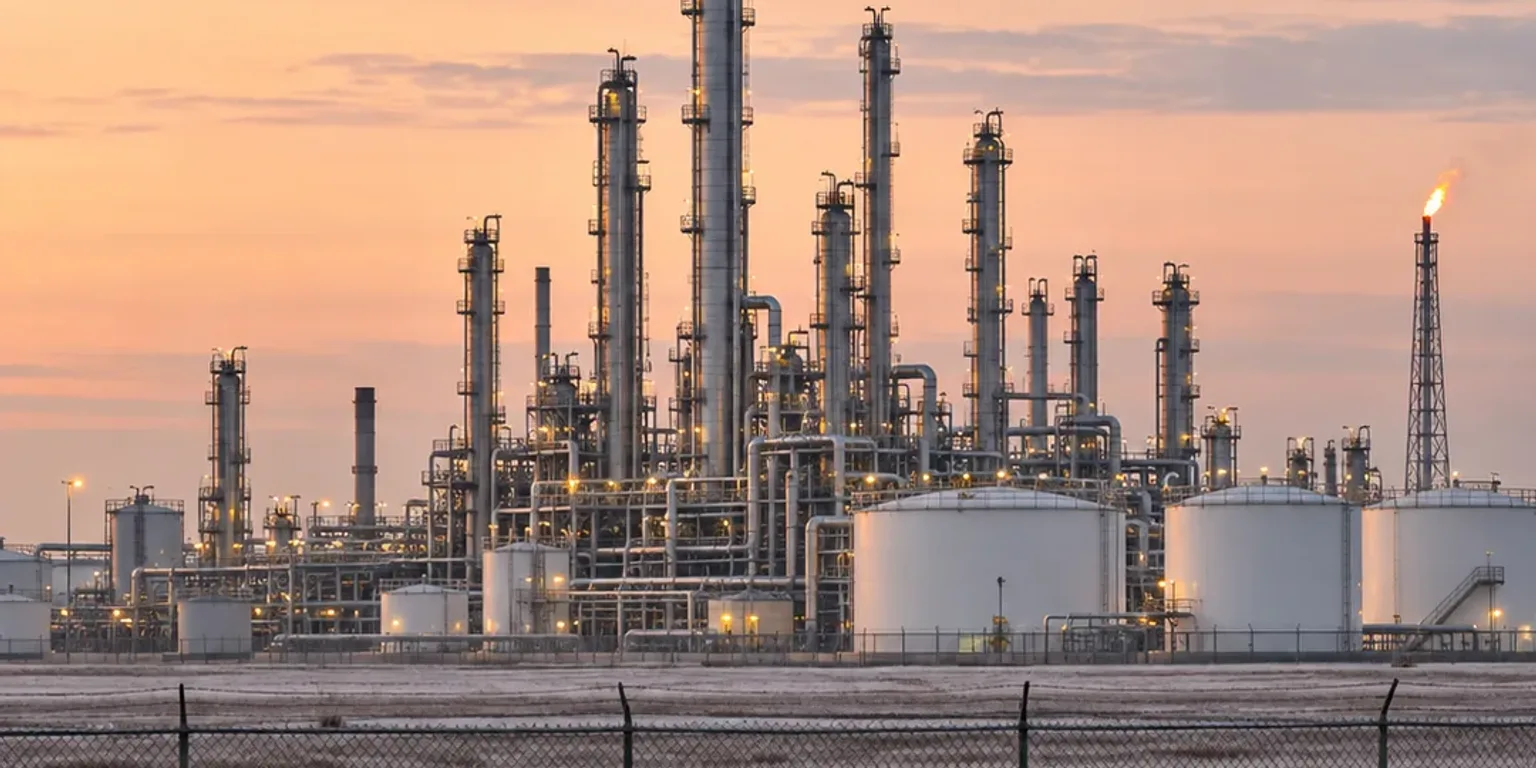
A refinery processes crude into diesel, gasoline, and other fuels. When Ukraine damages one, the plant can make and sell less fuel. For Moscow, that means less revenue flowing back to support the fighting, and less fuel available for its own forces.
President Donald Trump has been pressing Ukraine to stop the strikes. He has promoted a deal to bring Russian diesel to the United States and said both countries had accepted a halt to strikes on each other's power plants and fuel sites. But there is no sign such an agreement is in place, and Russia has kept bombing power stations in Ukraine.
That leaves Ukraine unwilling to give up the attacks. Marcus Walker, who leads the Journal's coverage of Ukraine, described the refinery campaign as Ukraine's main source of leverage to cut off money for Russia's war effort, calling it the “strong card” Kyiv has to play.
The result is a collision course. If Ukraine stopped striking refineries, it would lose its most direct way to squeeze Moscow's war budget while Russian bombs kept hitting Ukrainian cities.
Questions people ask
What does a refinery actually do, and why does damaging one matter?
A refinery processes crude oil into finished fuels like diesel, gasoline, and jet fuel. When equipment is damaged, the plant generally makes and sells less fuel until it is repaired.
How important is oil money to Russia's government?
Oil and gas revenue has historically supplied roughly a third of Russia's federal budget, though the share shifts with prices and sanctions. Reducing fuel sales can therefore reduce funds available for the war.
Would importing Russian diesel lower U.S. prices?
Analysts expect very little effect. Andy Critchlow, head of Energy News at Dow Jones Energy, notes the discussed volume of about 100,000 barrels a day is less than 4% of a three to four million barrel a day U.S. diesel market, so drivers are unlikely to notice a change at the pump.